




Introduction
When it comes to airbrushing, the total cost of setting up your workspace can be surprisingly high—especially if you’re a beginner. Most people only compare the price of the airbrush itself, but hidden costs like paint, cleaning, and compressors can add up fast.
The real question isn’t just which airbrush is the most powerful—it’s which system fits your workflow and your budget.
A quick snapshot: what you’ll actually pay
- Traditional airbrush setups can look affordable upfront, but the compressor + paint + cleaning stack up over time.
- Battery-powered paint airbrushes remove the compressor, but paint prep + cleaning still remain.
- Marker-compatible systems reduce “hidden costs” because you avoid paint mixing and deep cleaning.
If you want the fastest “budget decision,” jump to Cost comparison table.

1. Traditional Airbrush Systems
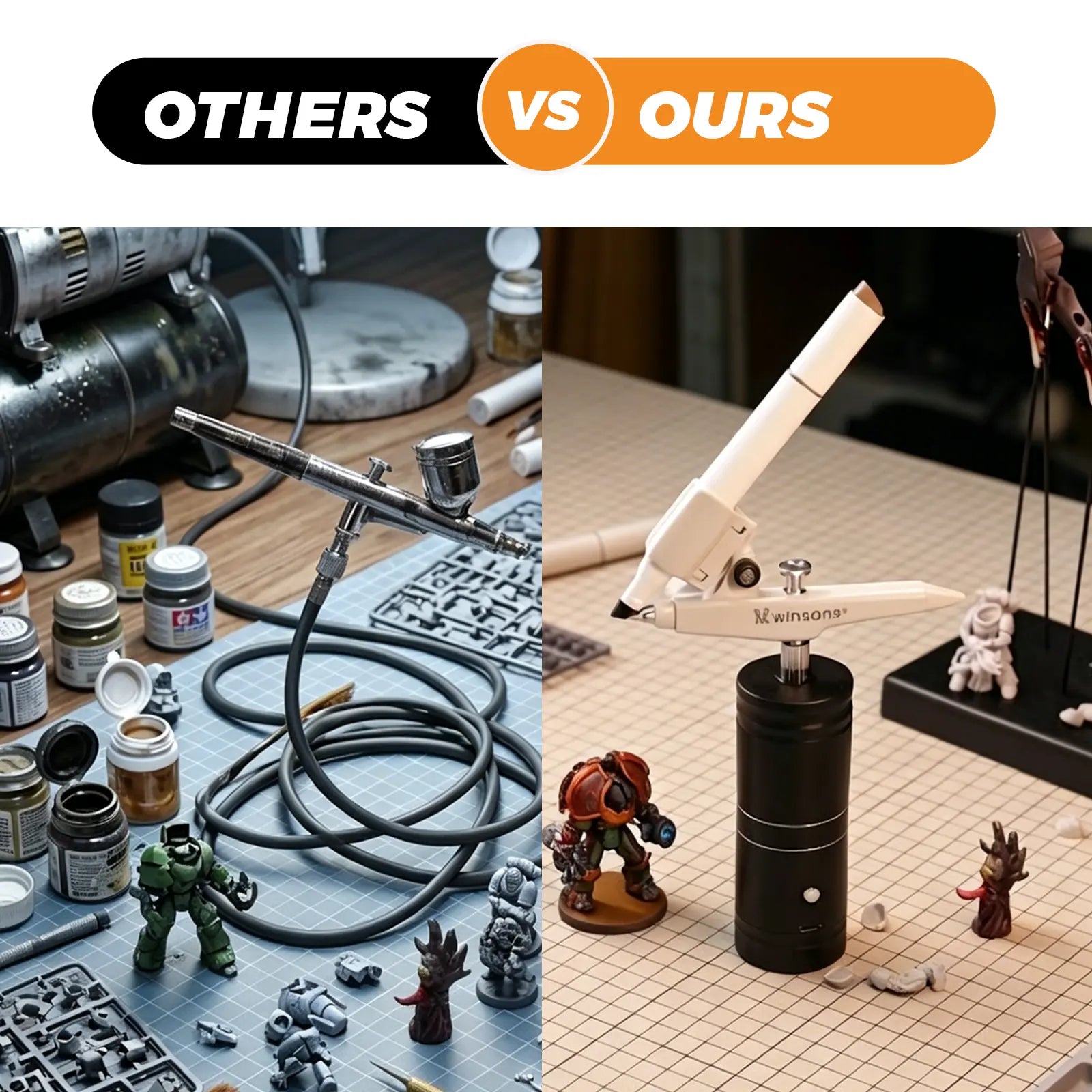
Traditional airbrush setups are often considered the industry standard for professional-grade detail work. These systems usually include:
- Airbrush gun (single or double action)
- Compressor
- Hoses, fittings, and regulators
- Cleaning tools
- Paint and thinning solutions
Typical budget range: $70 – $400+ depending on brand and accessories.
Pros:
- Ultra-fine lines
- Maximum control
- Compatible with professional paints
Cons (where the “hidden cost” starts):
- High learning curve
- Requires cleaning after each session (“6 Common Airbrush Questions”)
- Paint mixing and preparation required
Traditional systems are perfect for those who need precision but can be expensive in both time and money.
External reference (for cleaning reality check): Iwata’s step-by-step cleaning routine is a good example of what “normal maintenance” looks like for paint airbrushes. (“Airbrush Cleaning”)

2. Battery-Powered Paint Airbrushes (Portable, but still paint-based)
Battery-powered paint airbrushes remove the compressor from the equation but still rely on liquid paint.
Pros:
- Easier to transport
- Slightly lower upfront cost
Cons:
- Cleaning and paint prep still necessary
- Spray consistency depends on paint quality
If you are choosing between “paint vs ink”, read: ⭐ Airbrush Ink vs. Model Paint — Do They Clash? A Scientific Breakdown
3. Marker-Compatible Airbrush Systems (Winsons)
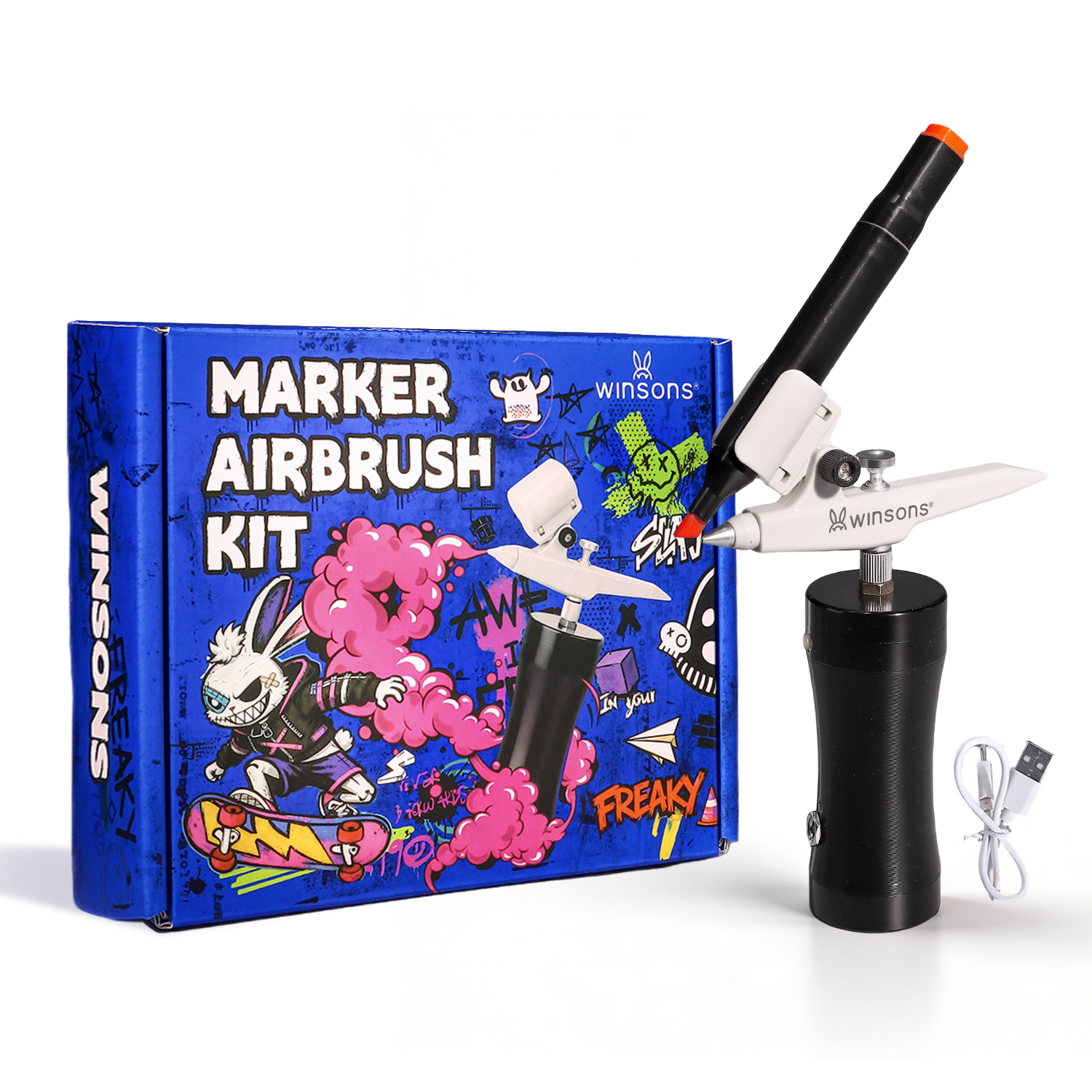
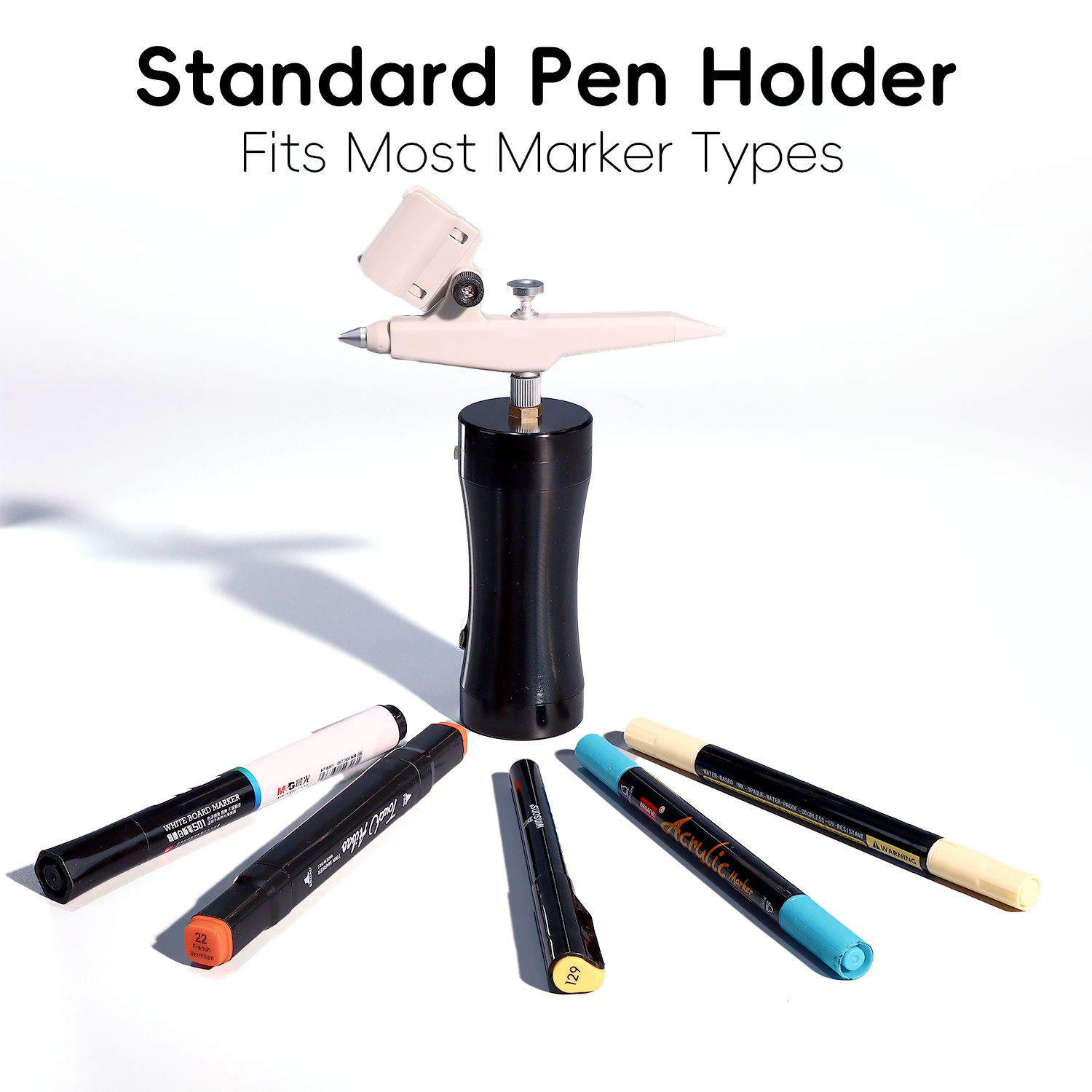
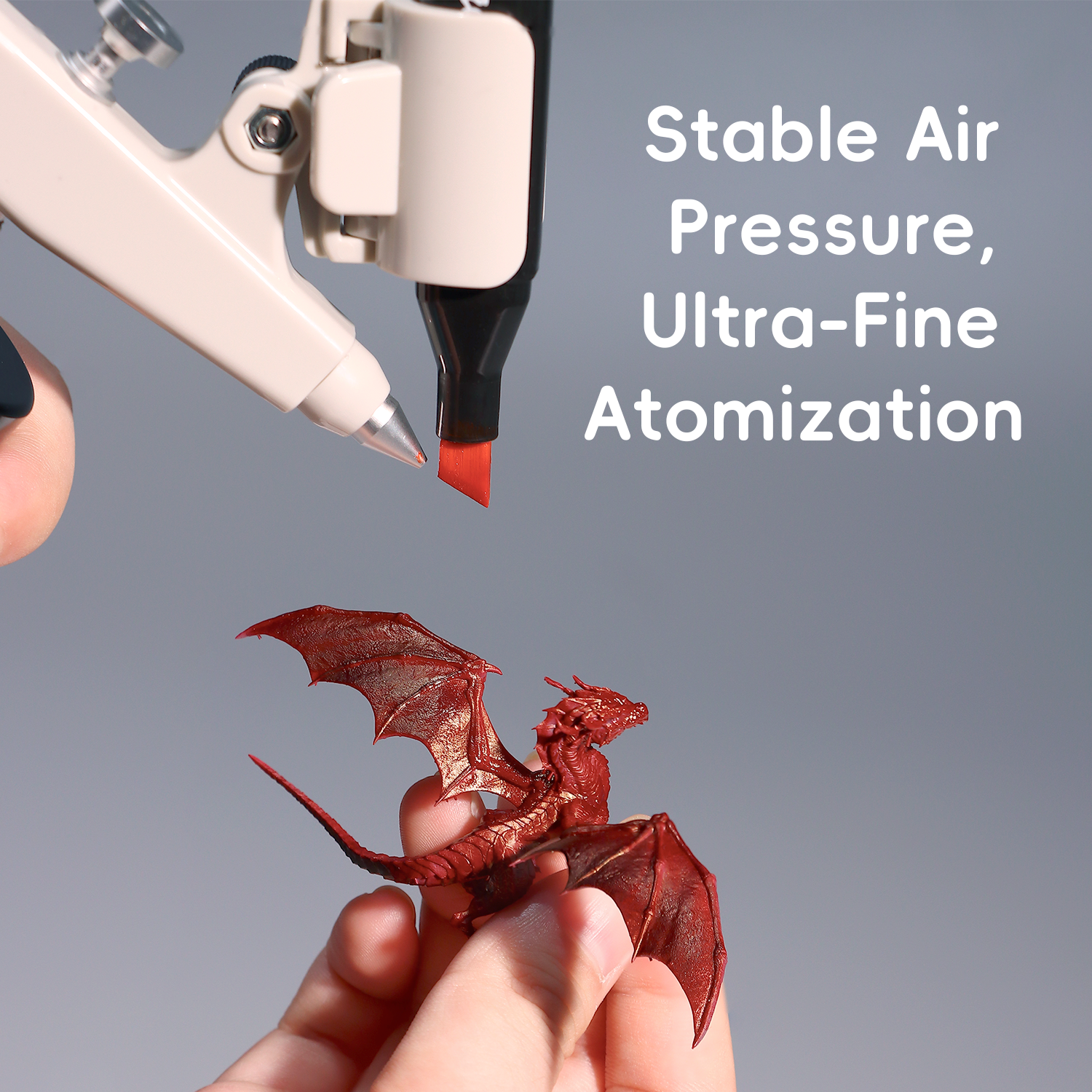
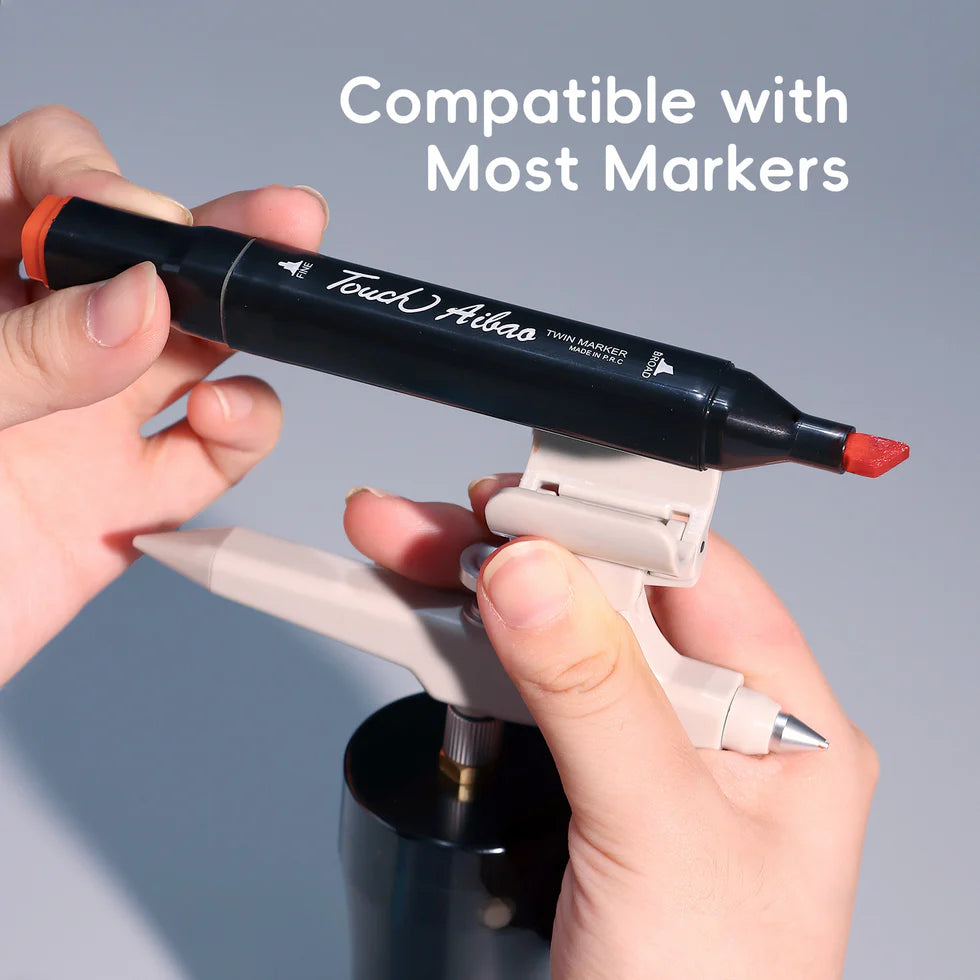
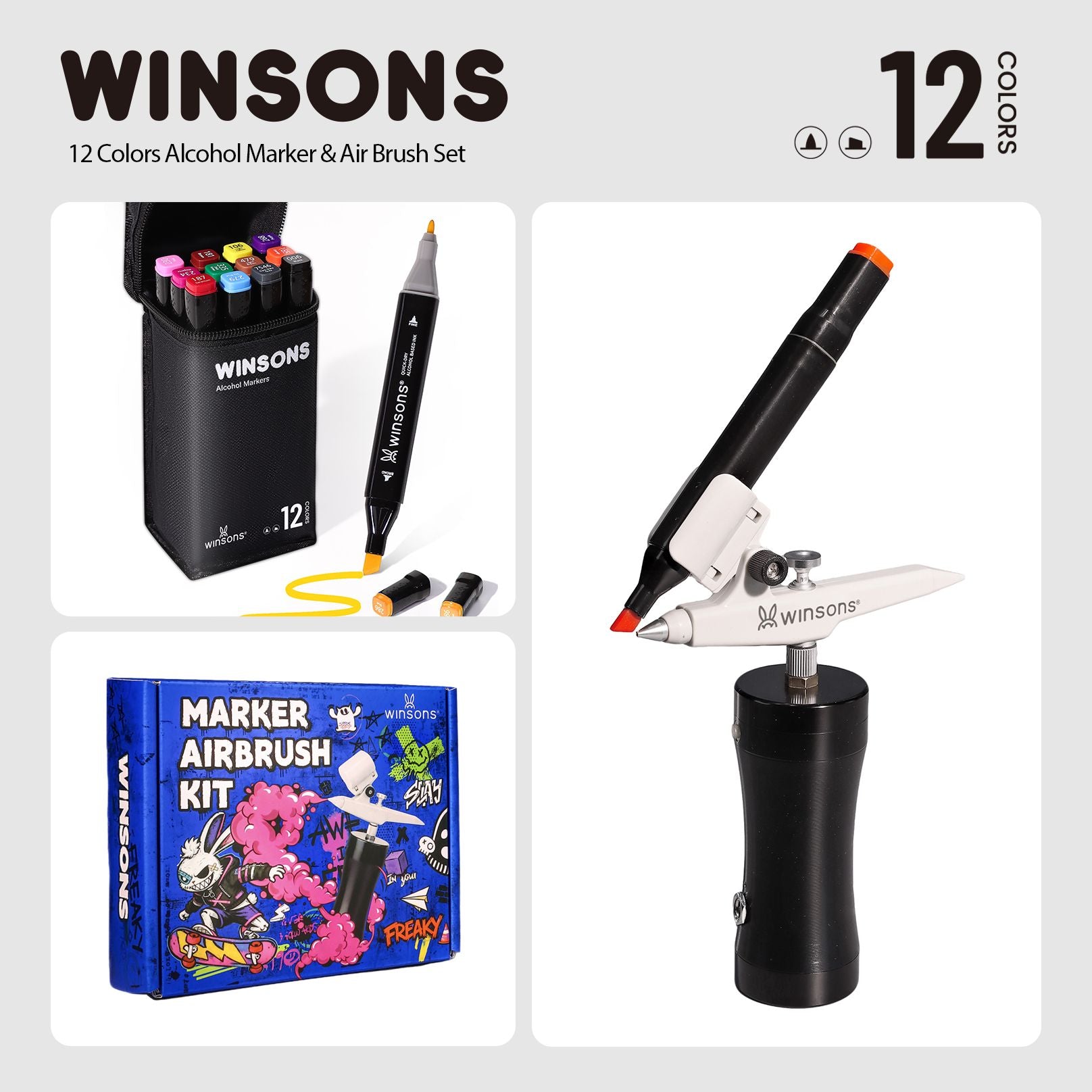
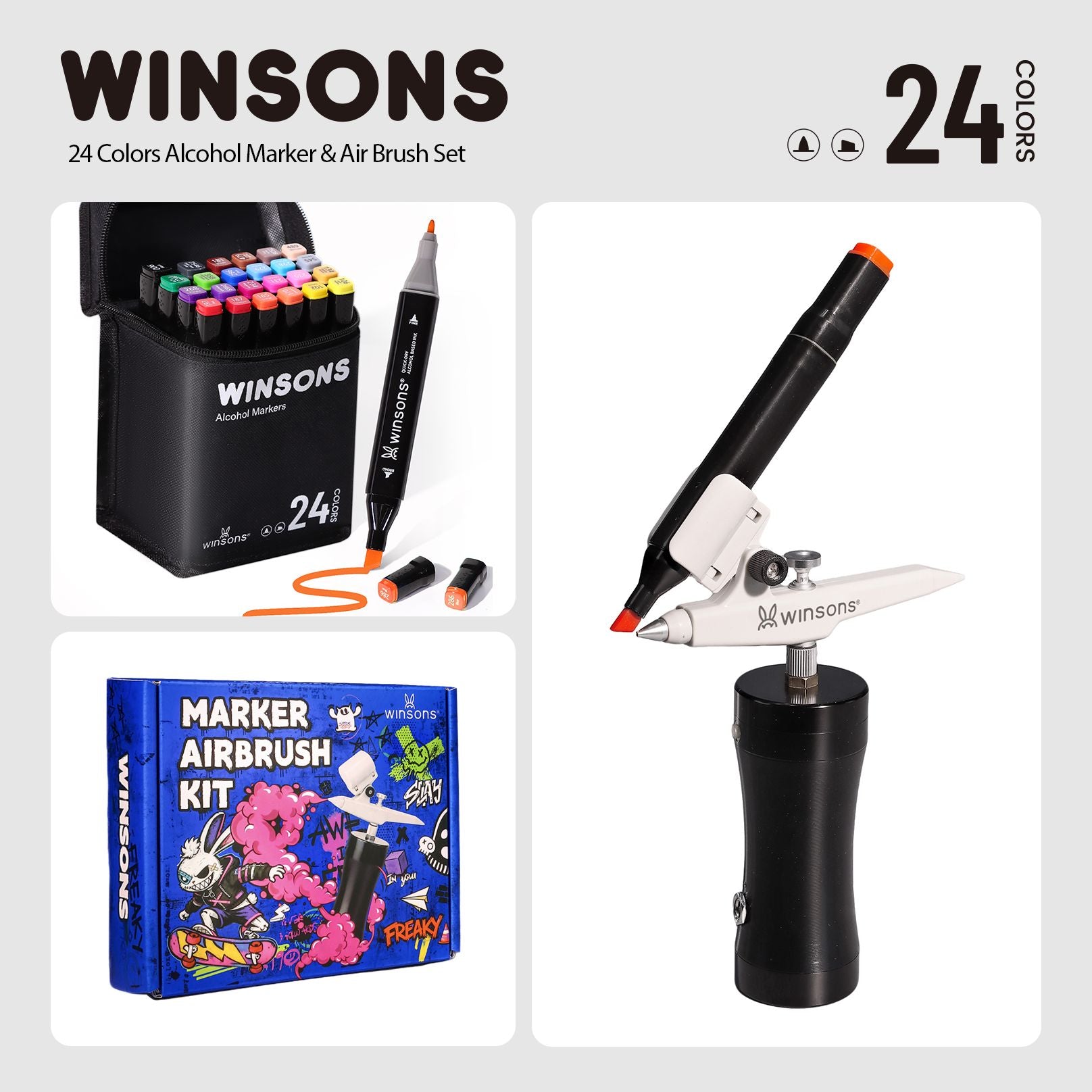
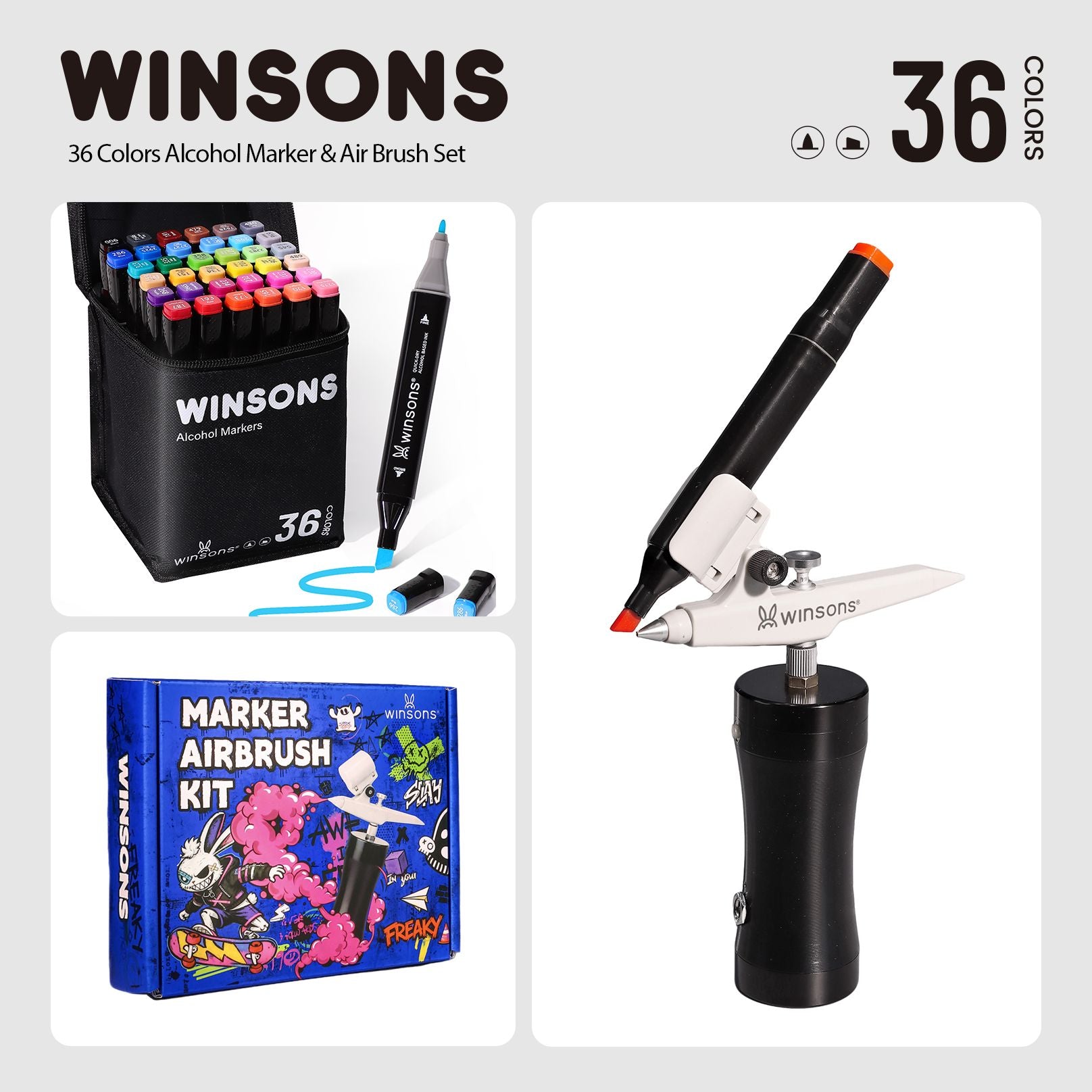
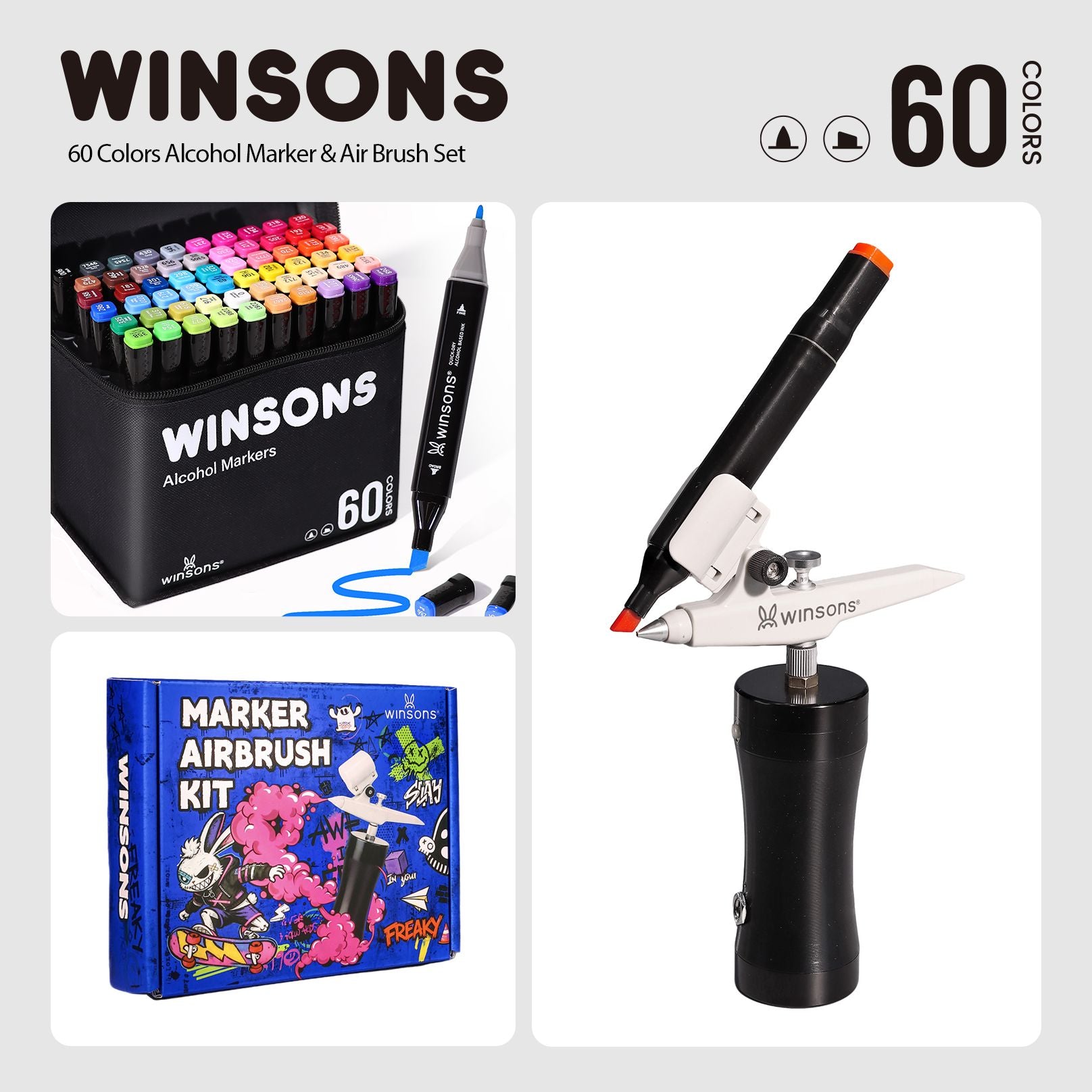
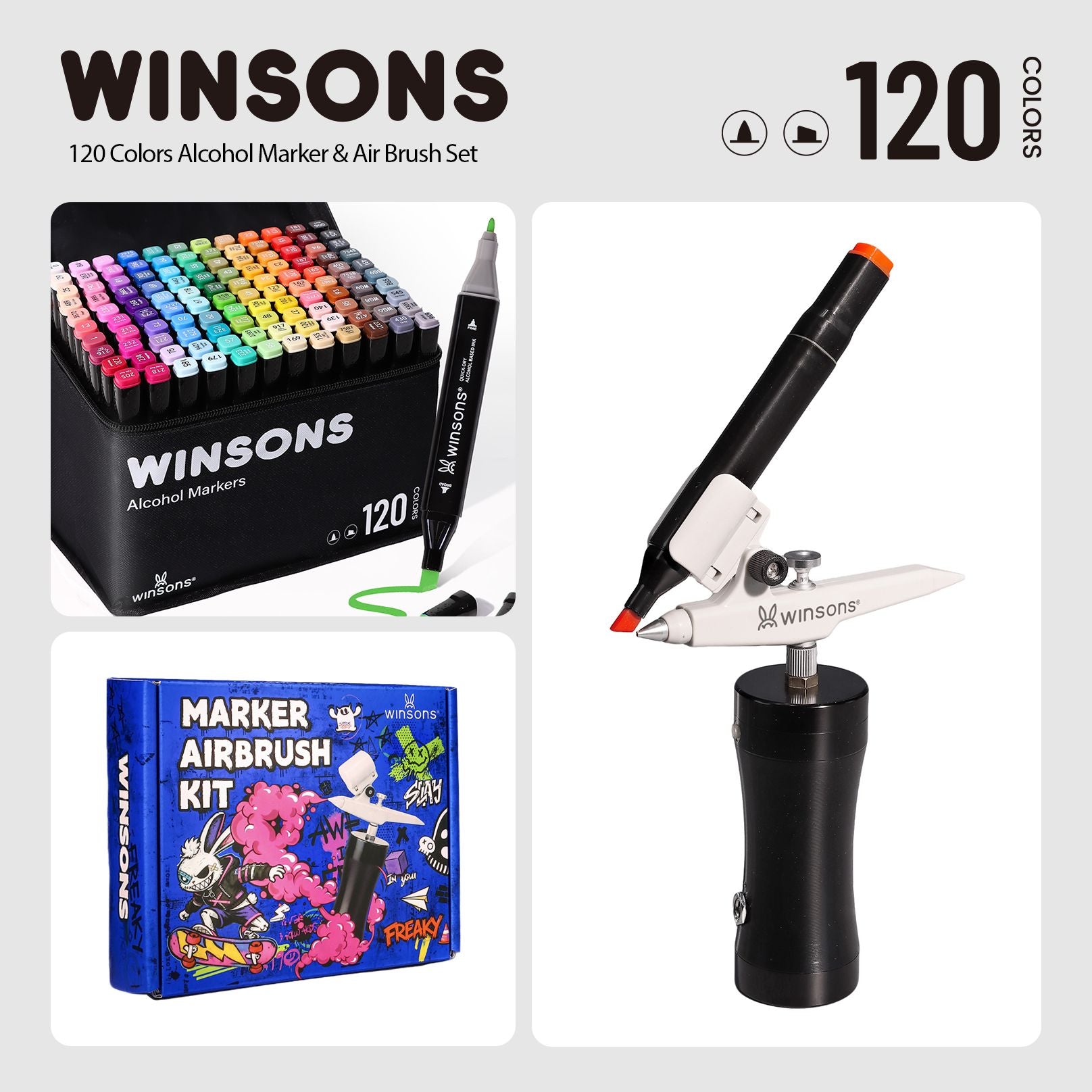
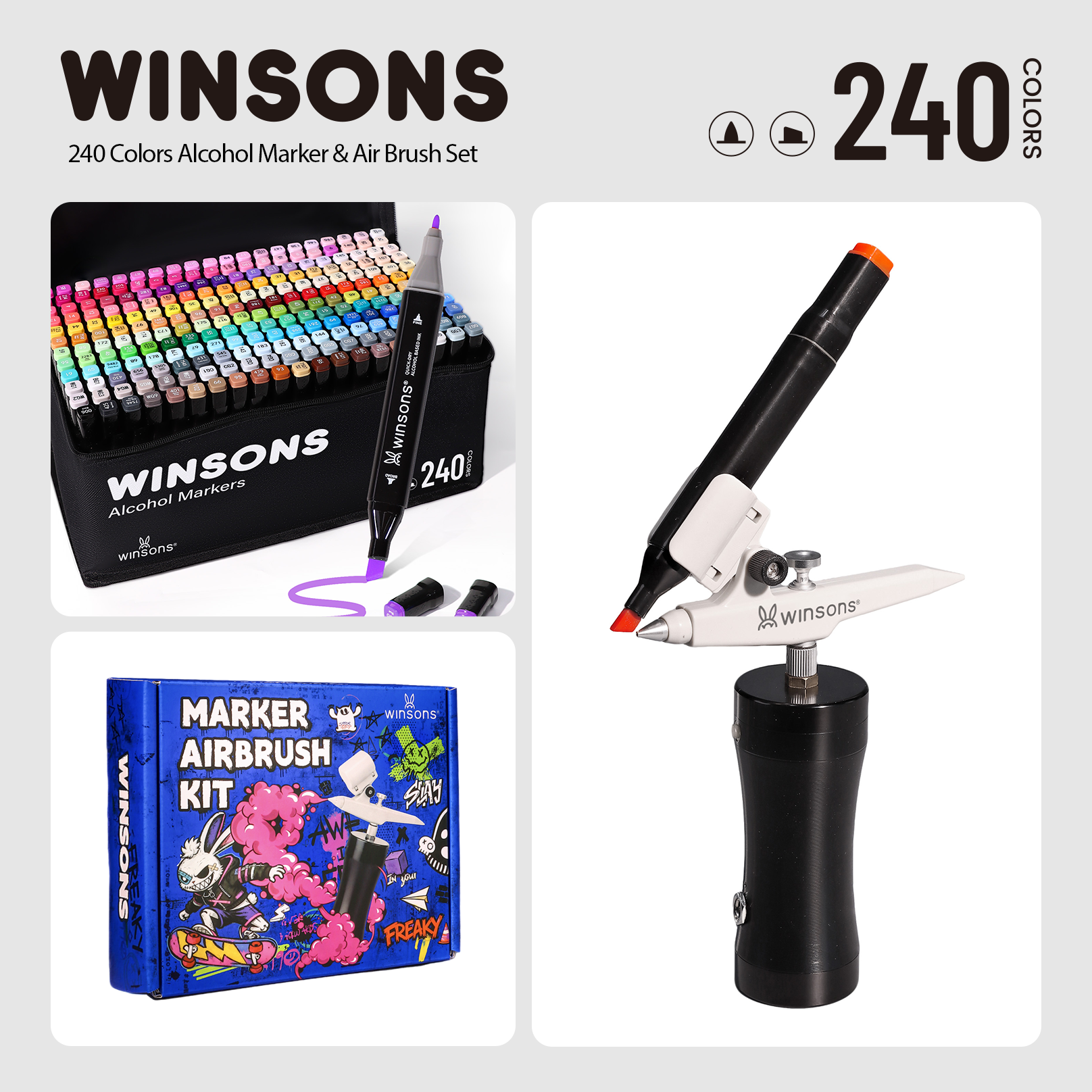
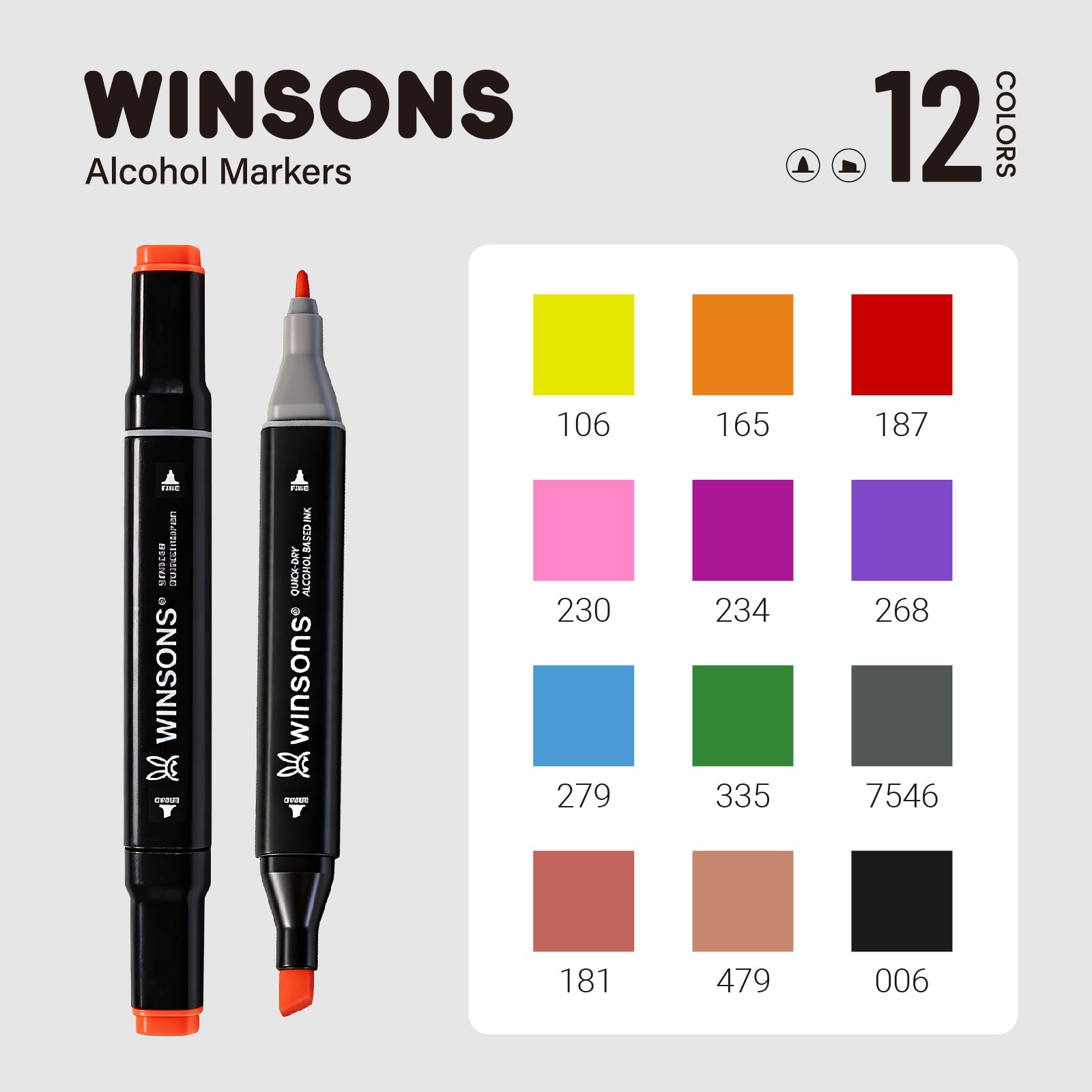
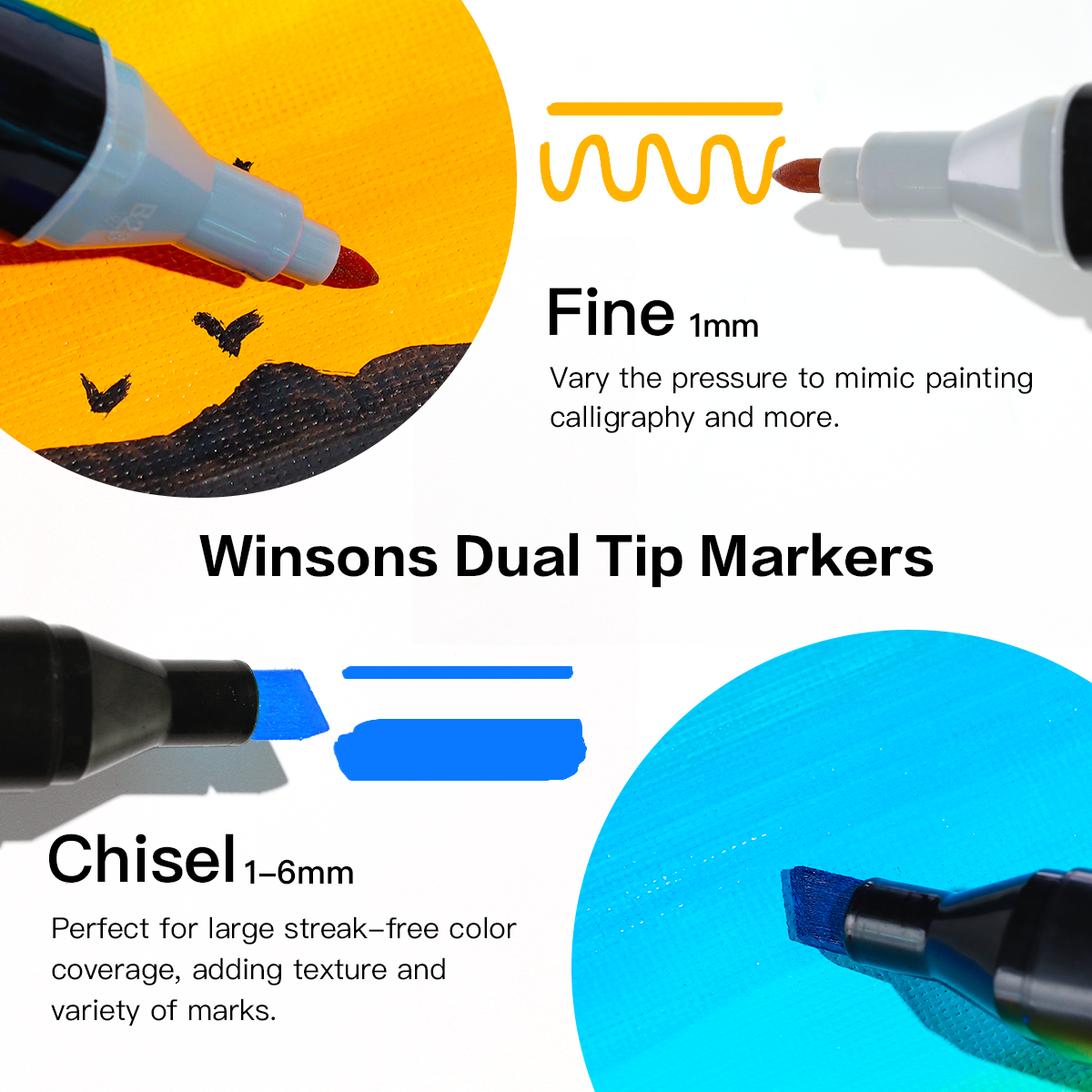
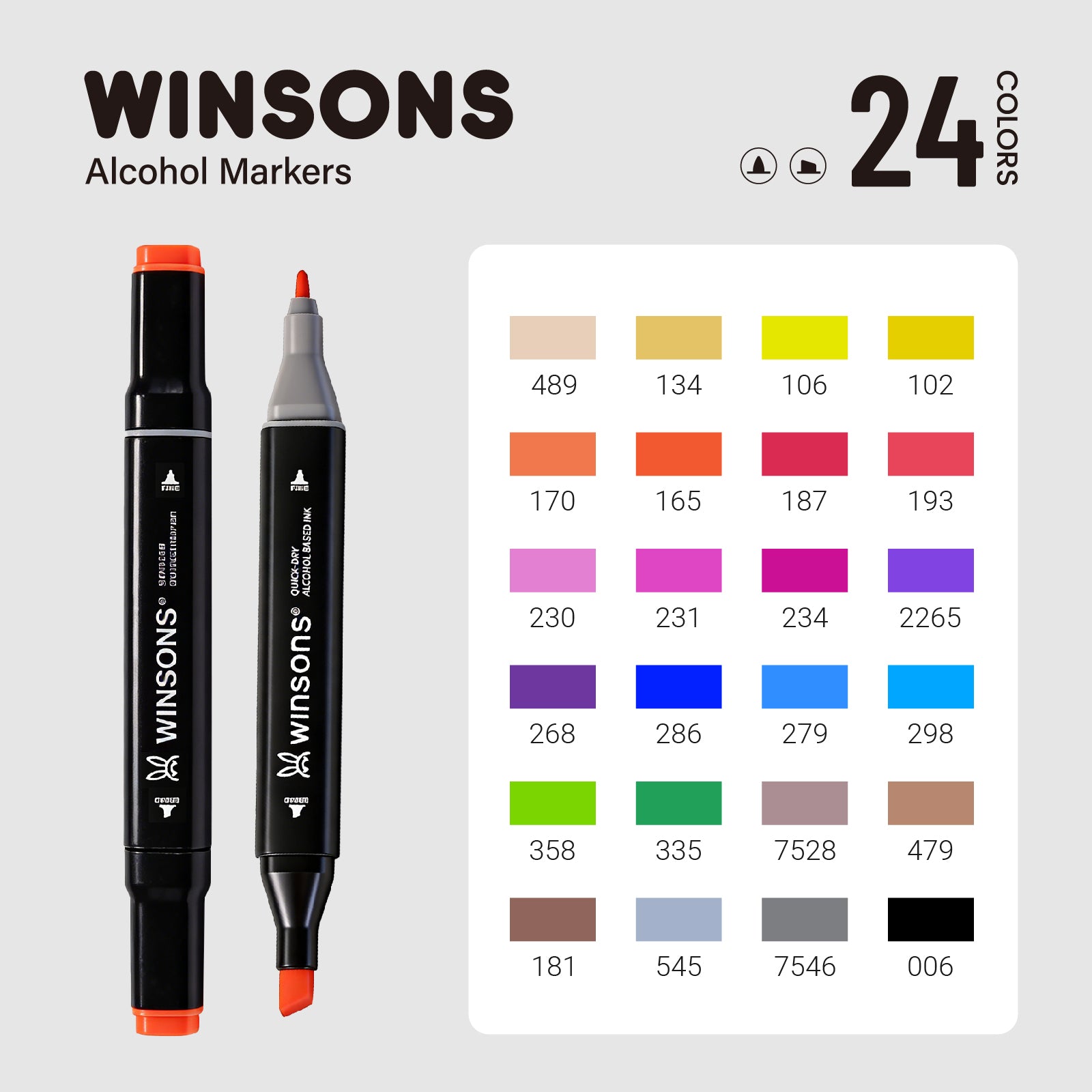
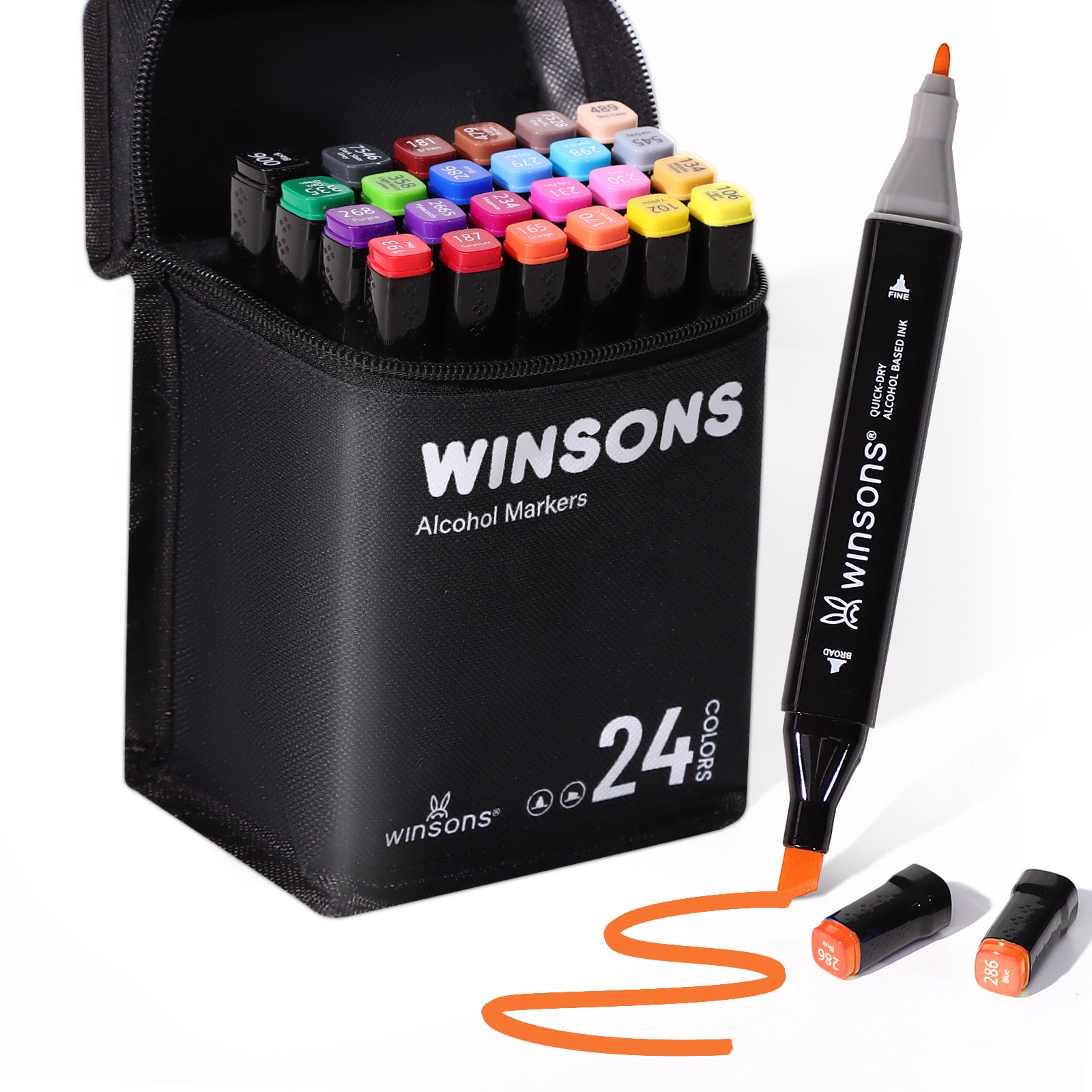
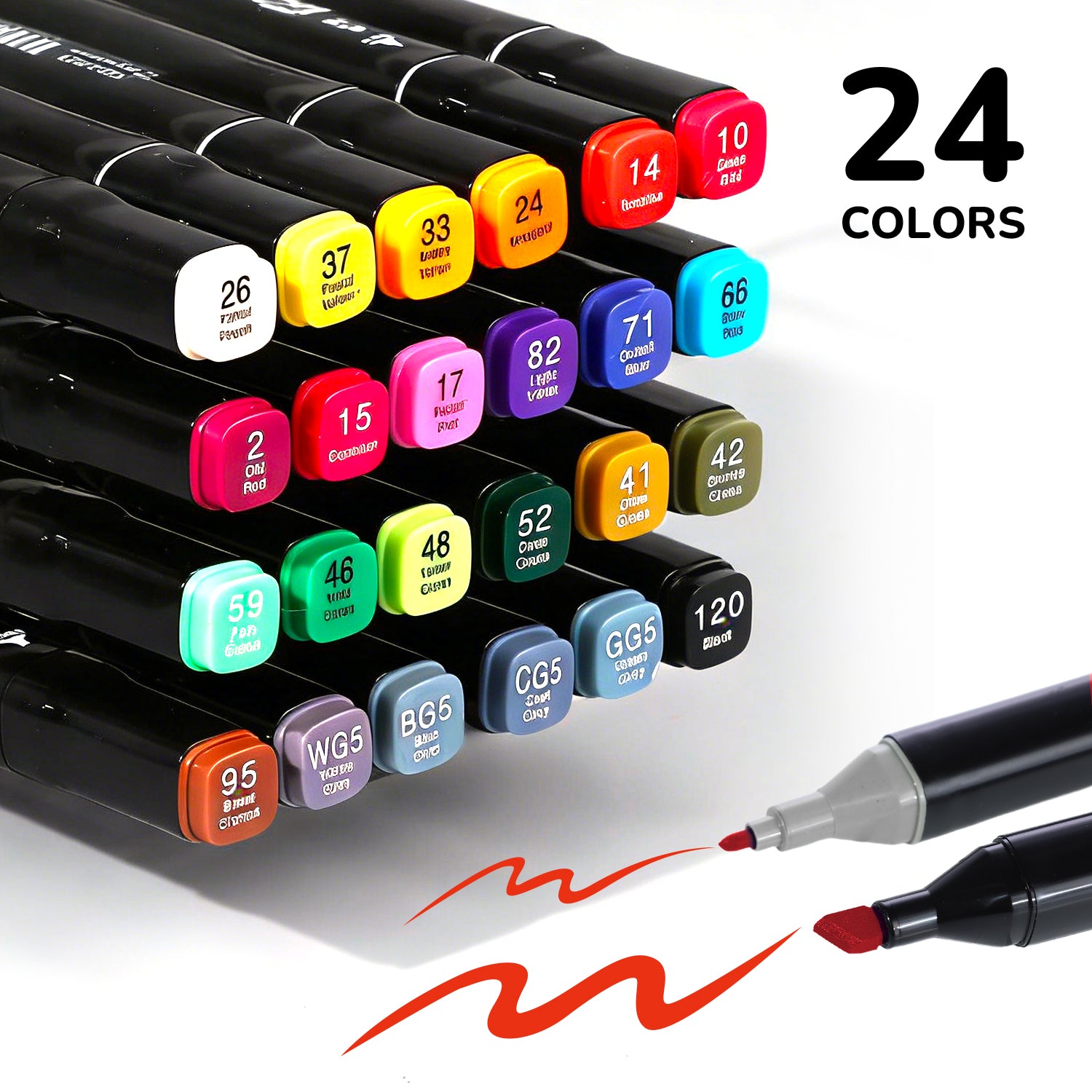
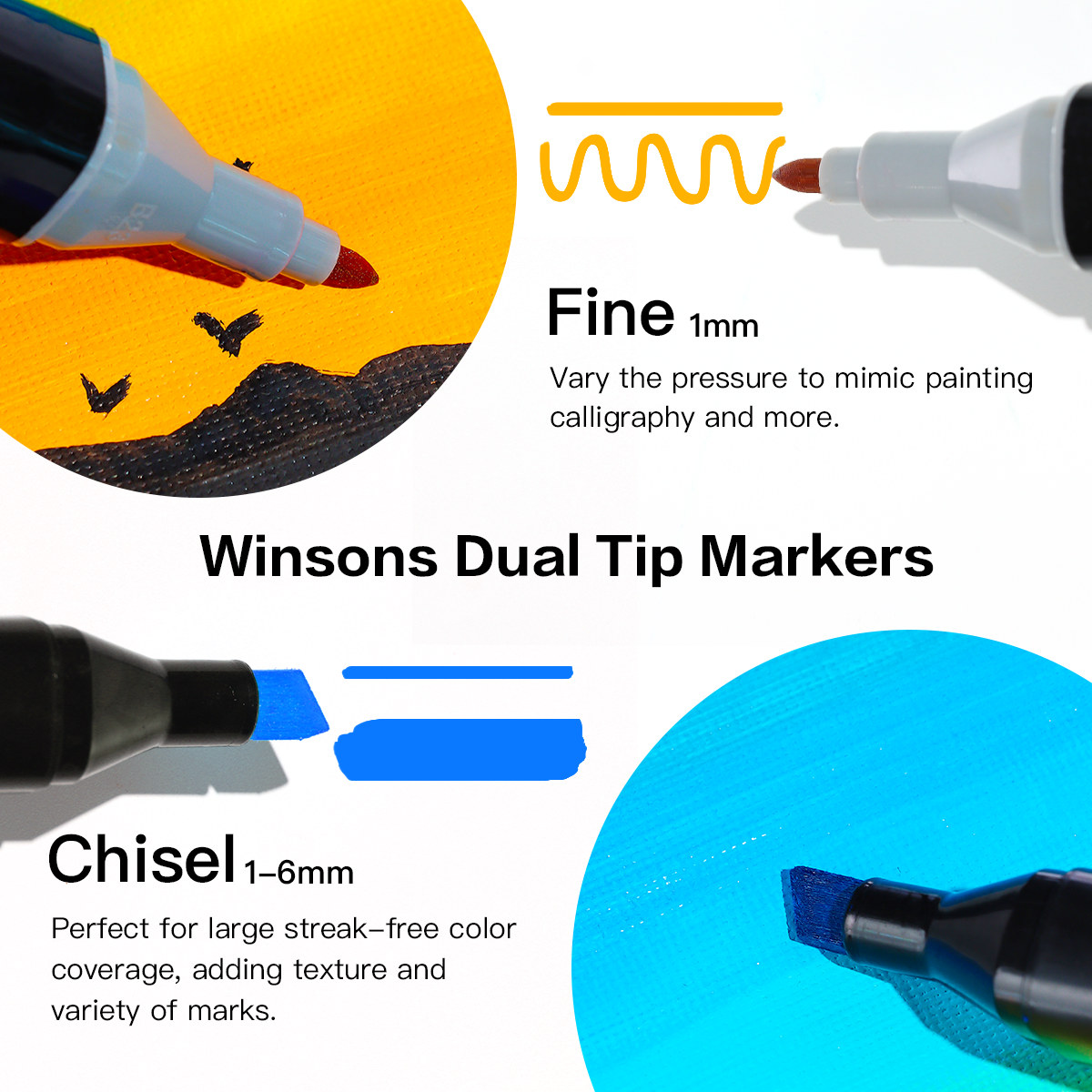
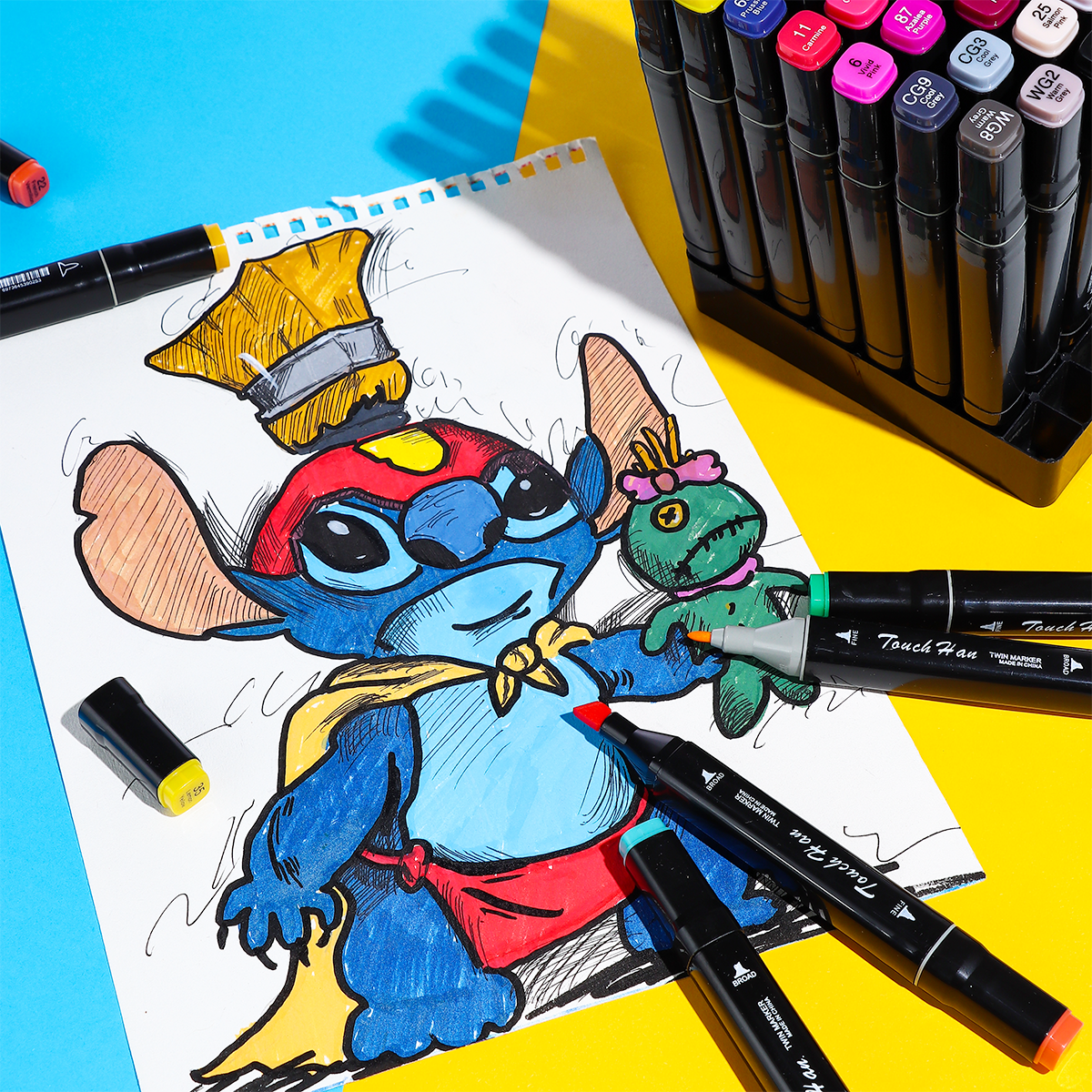
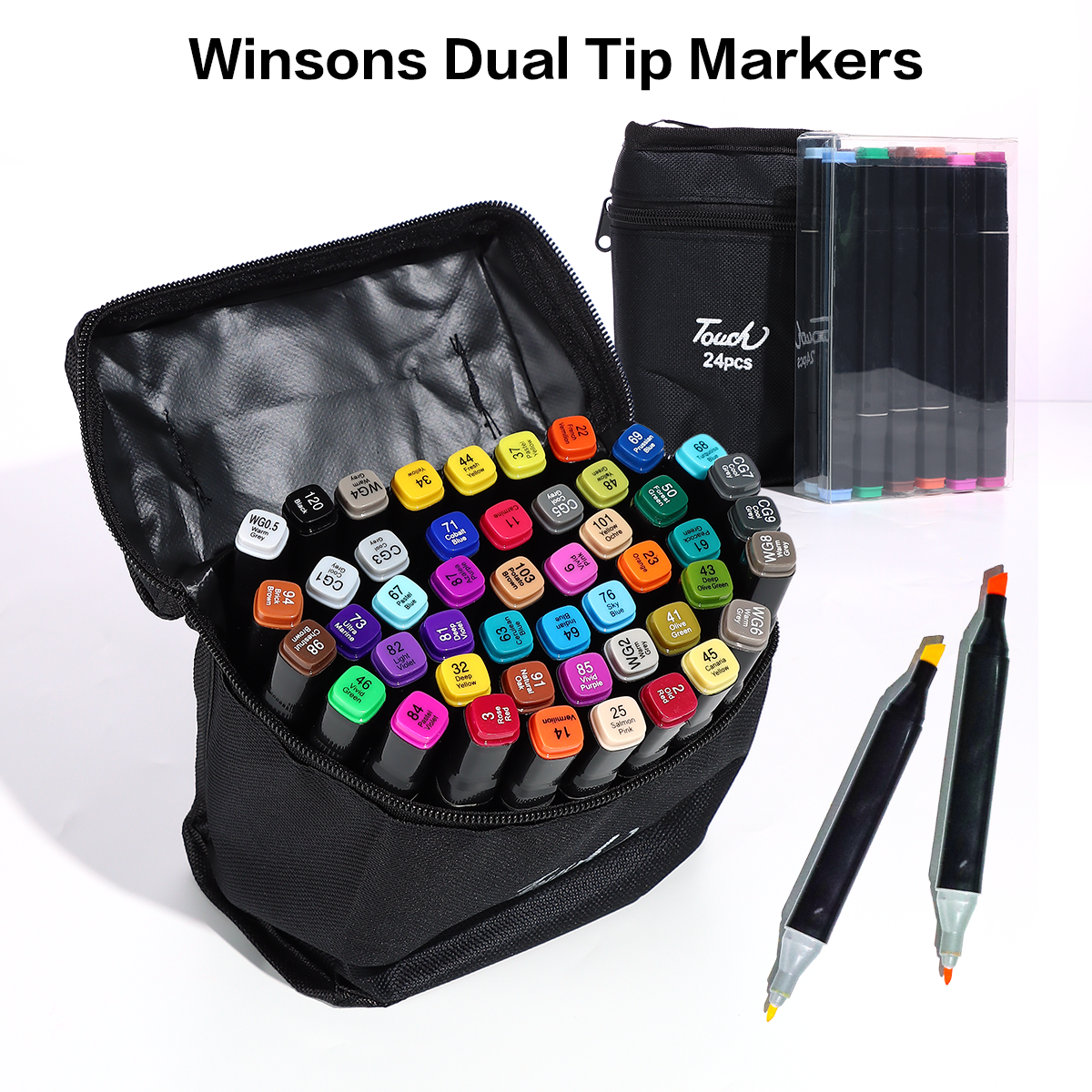
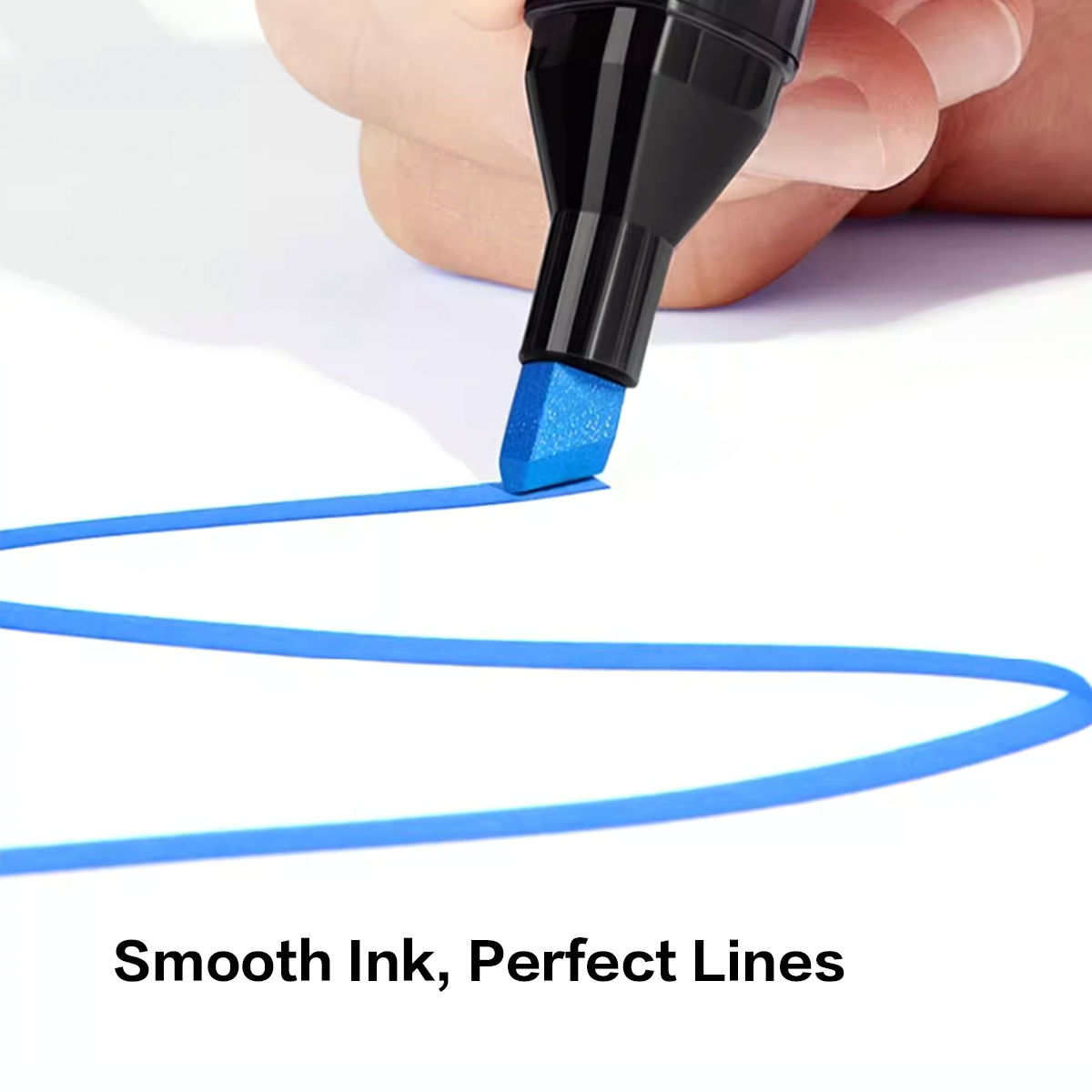
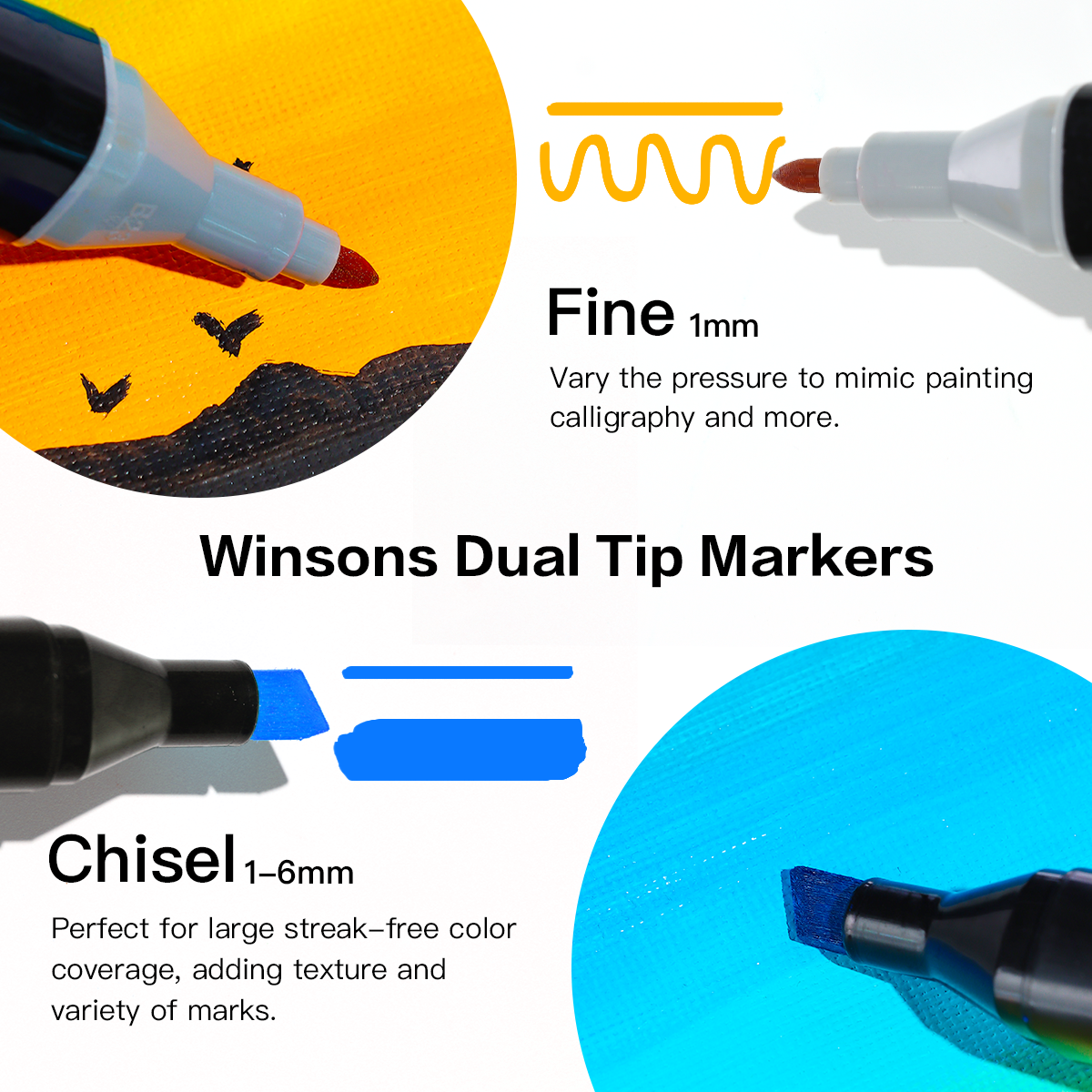
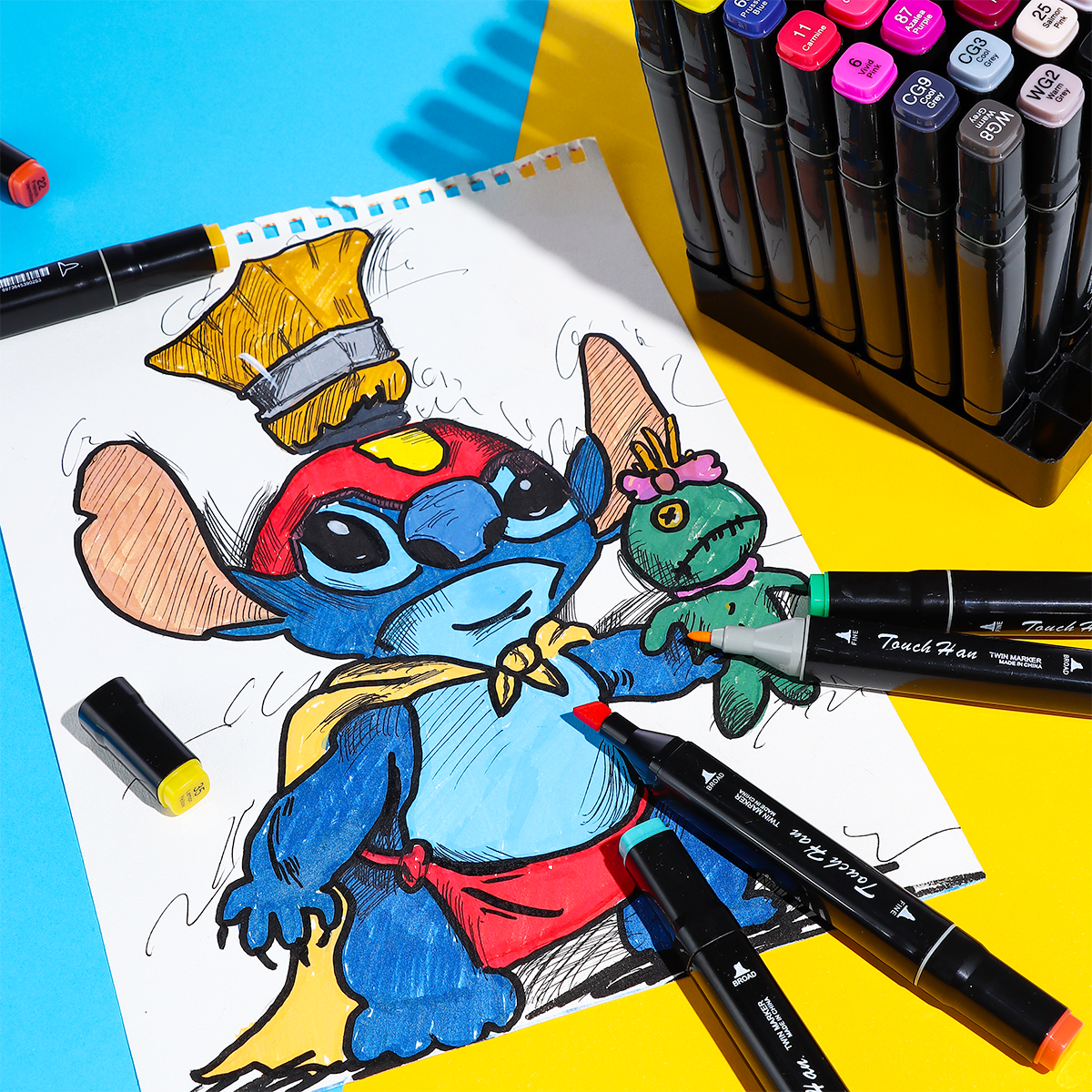
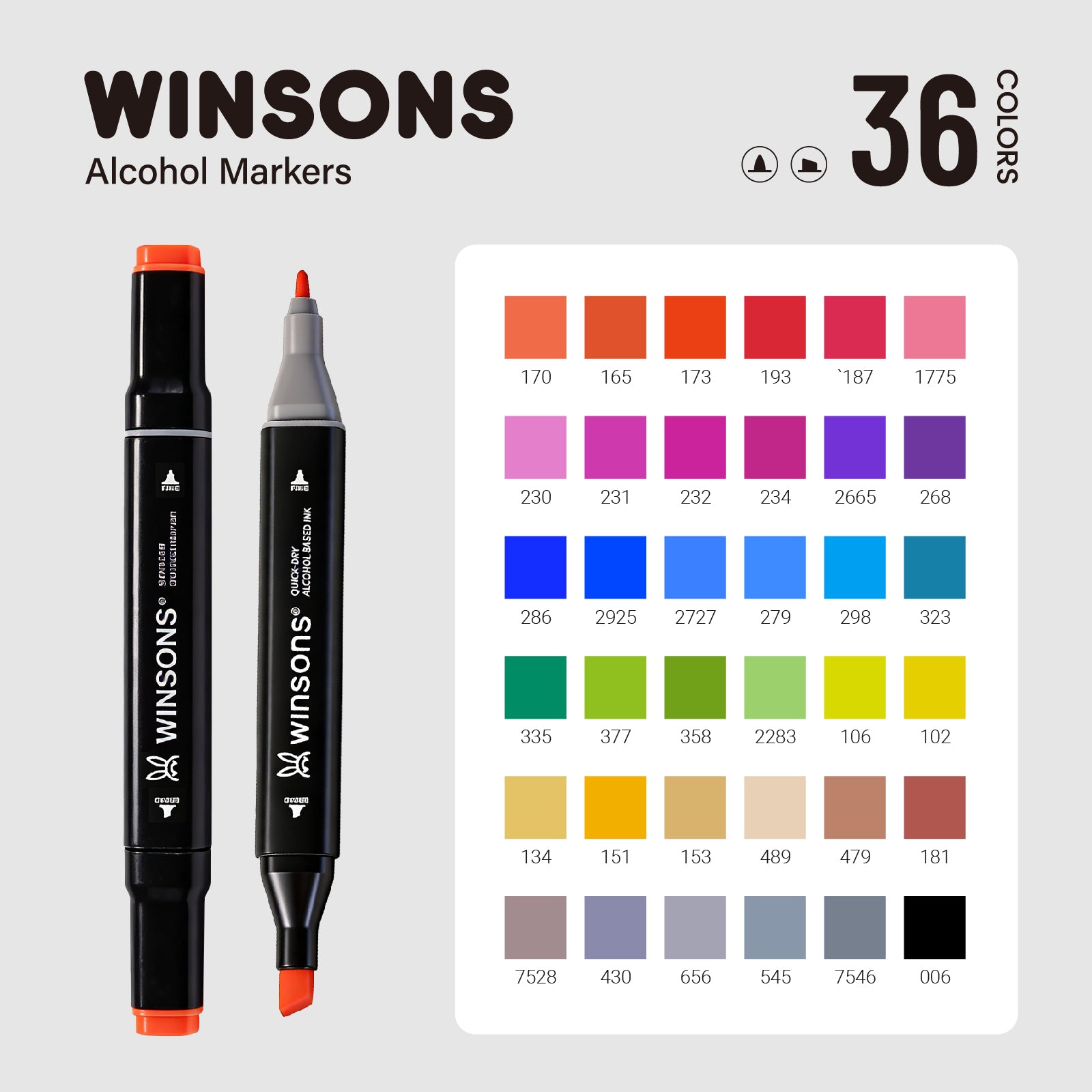
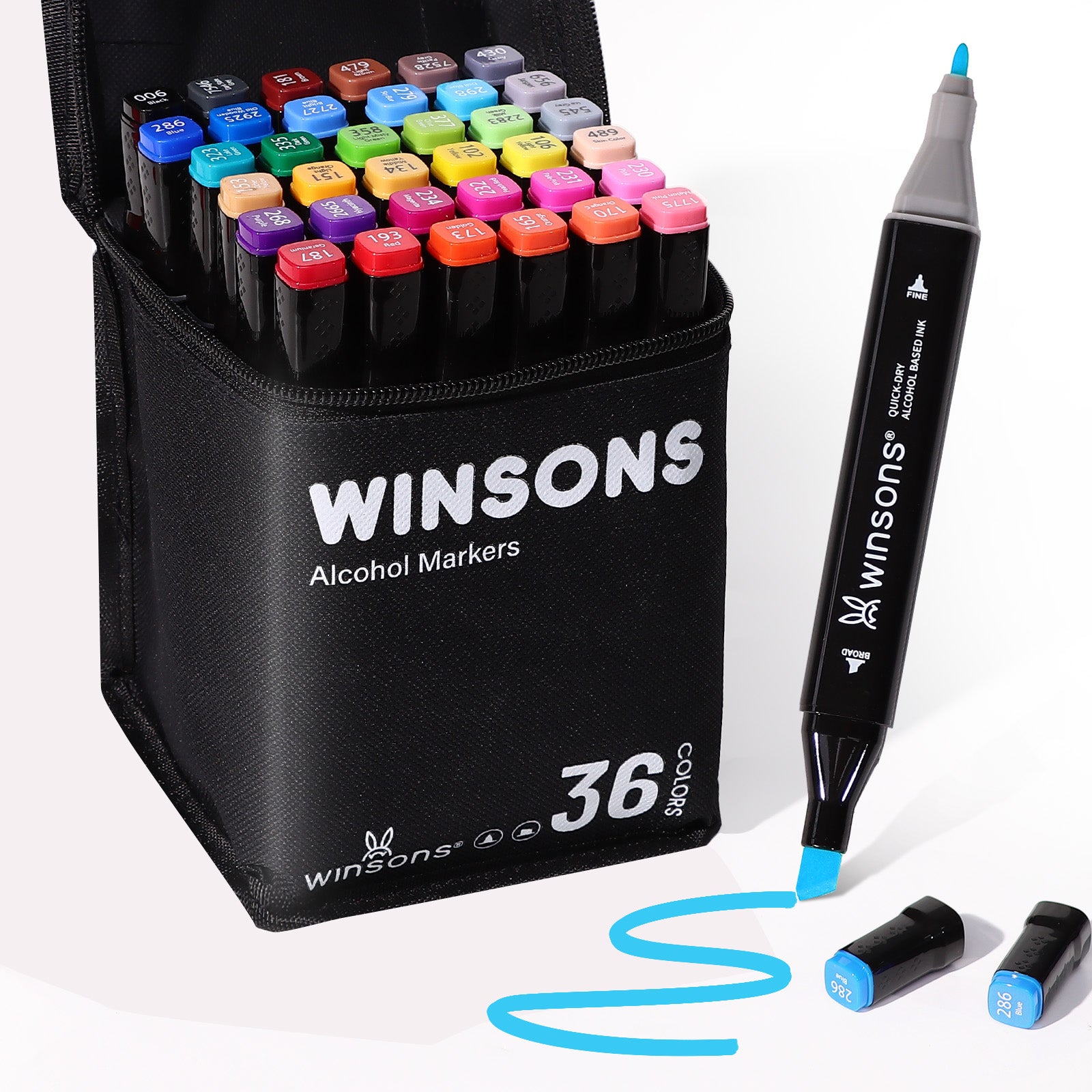
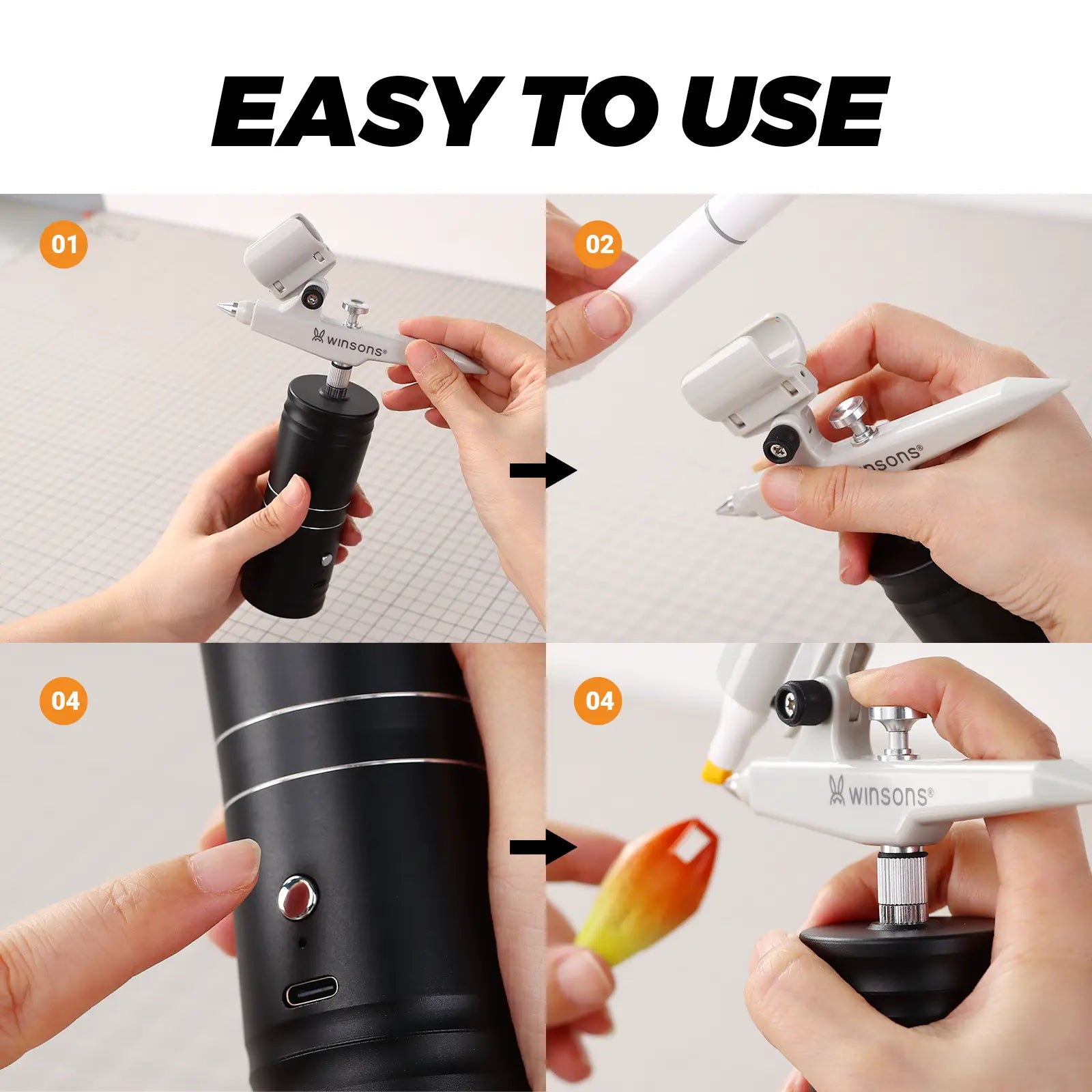
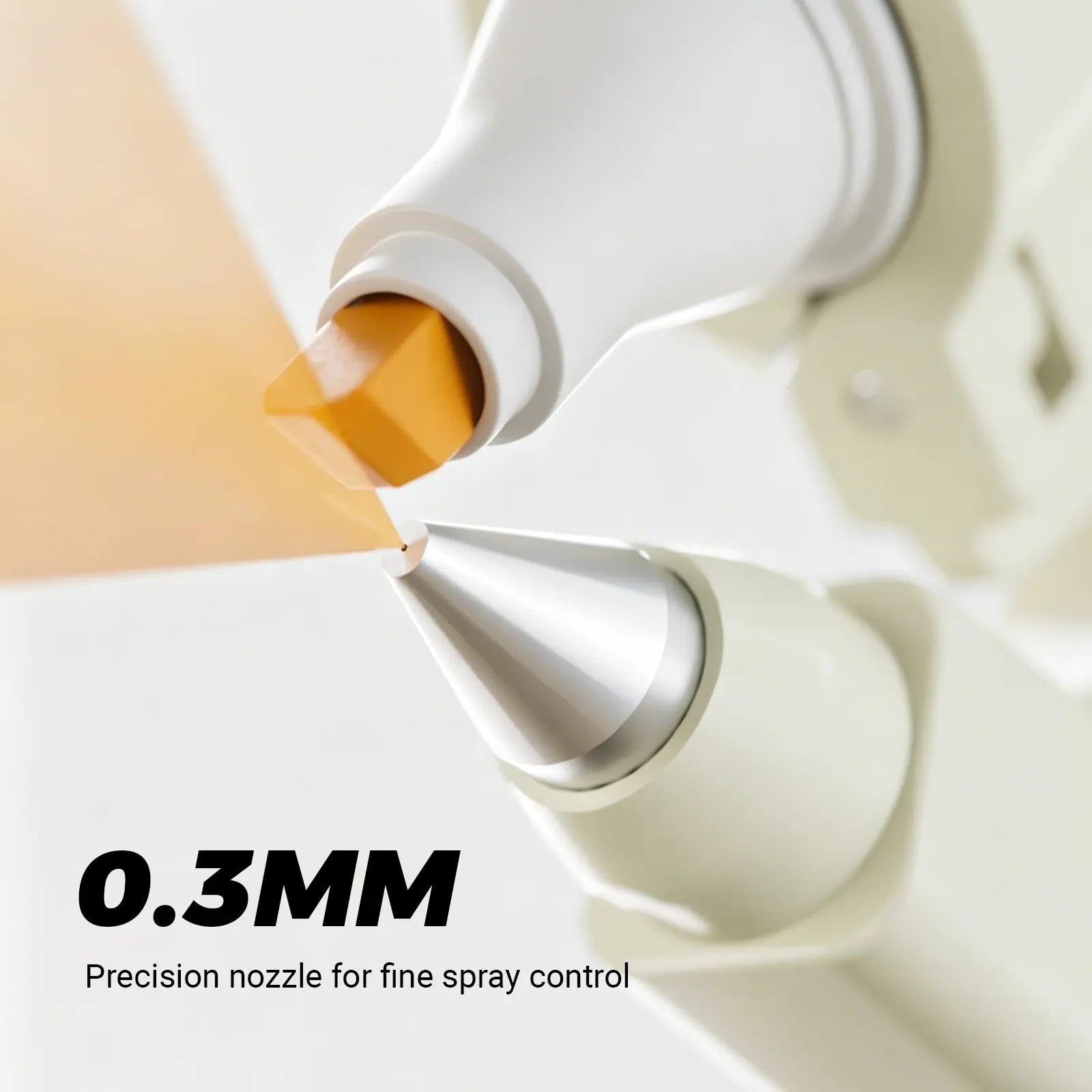
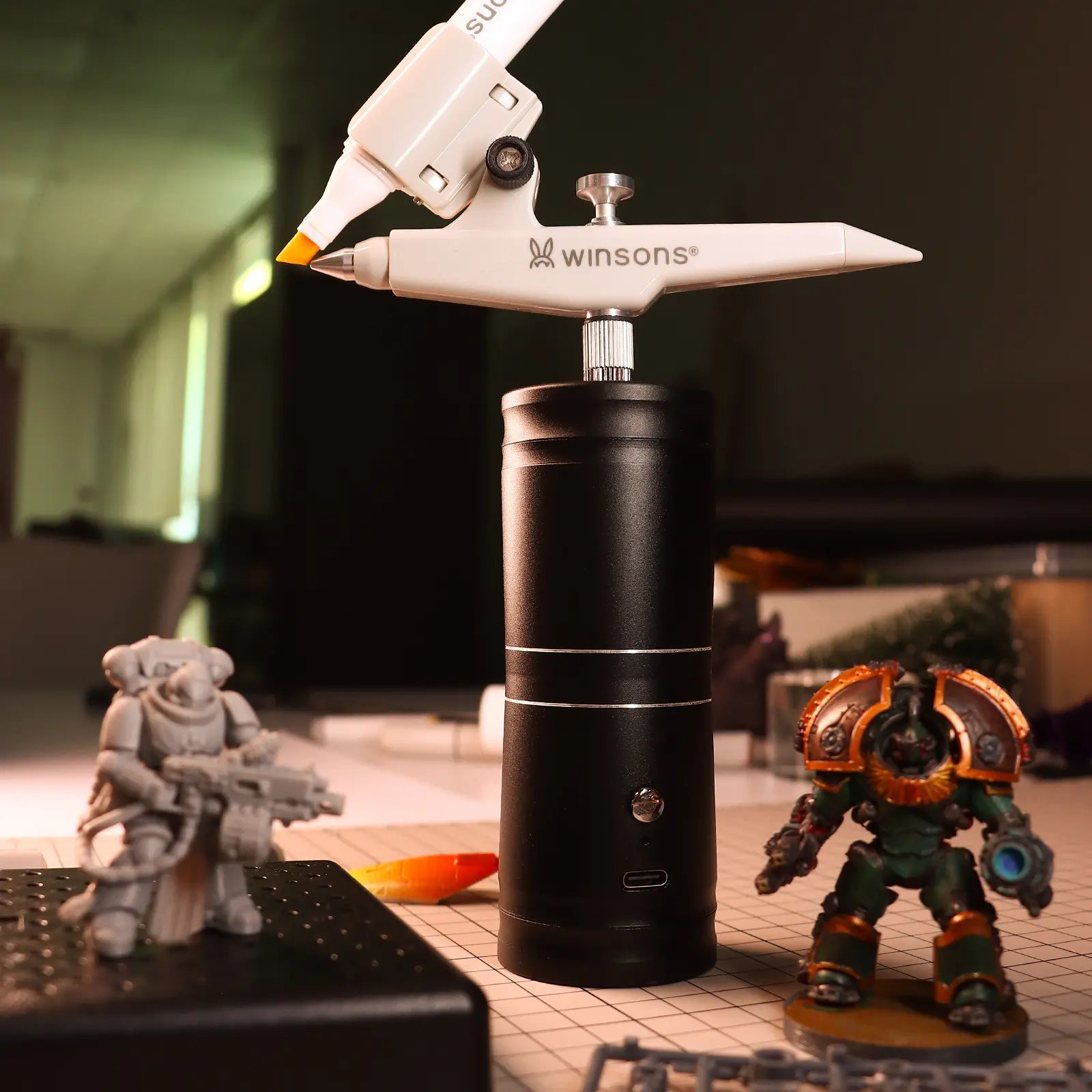
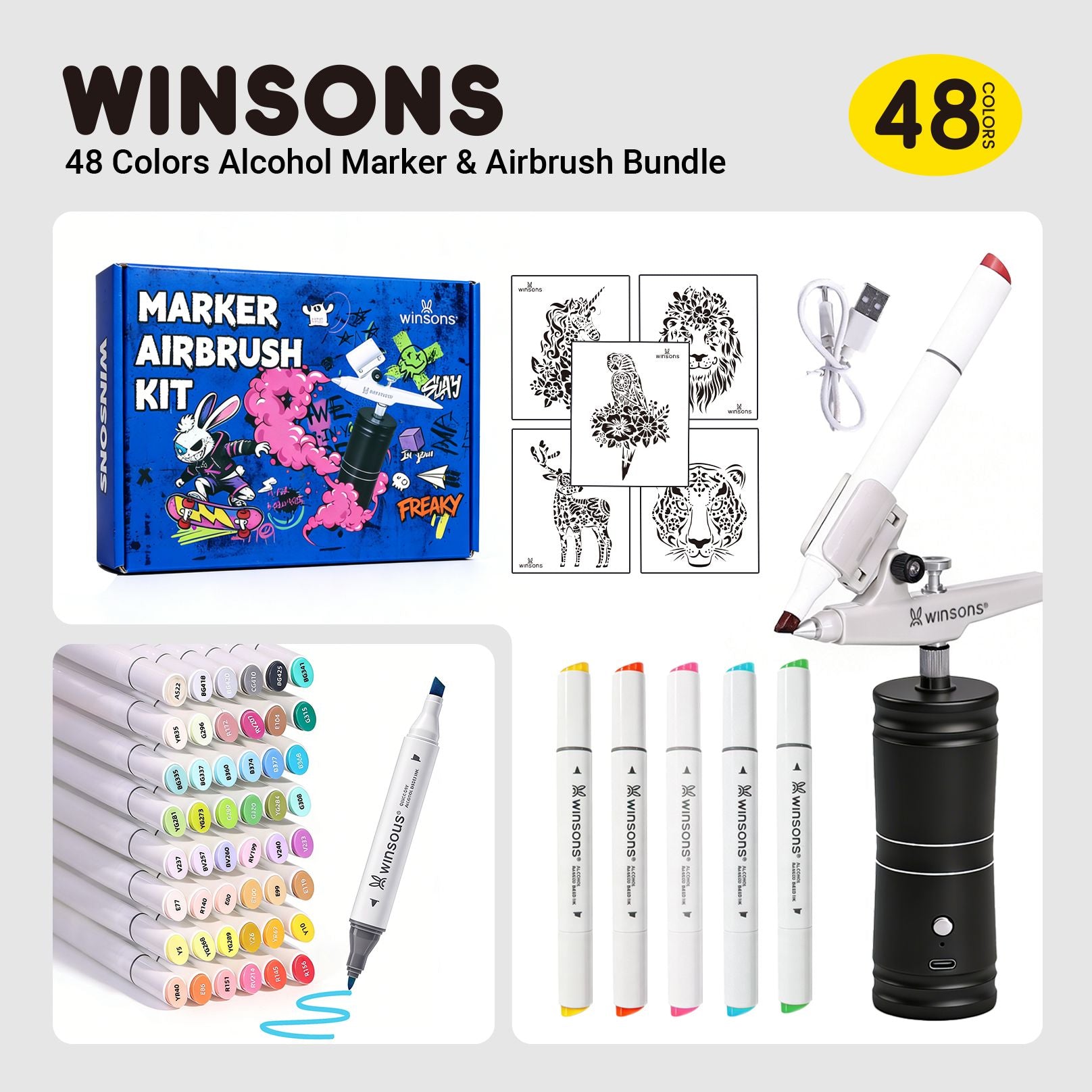
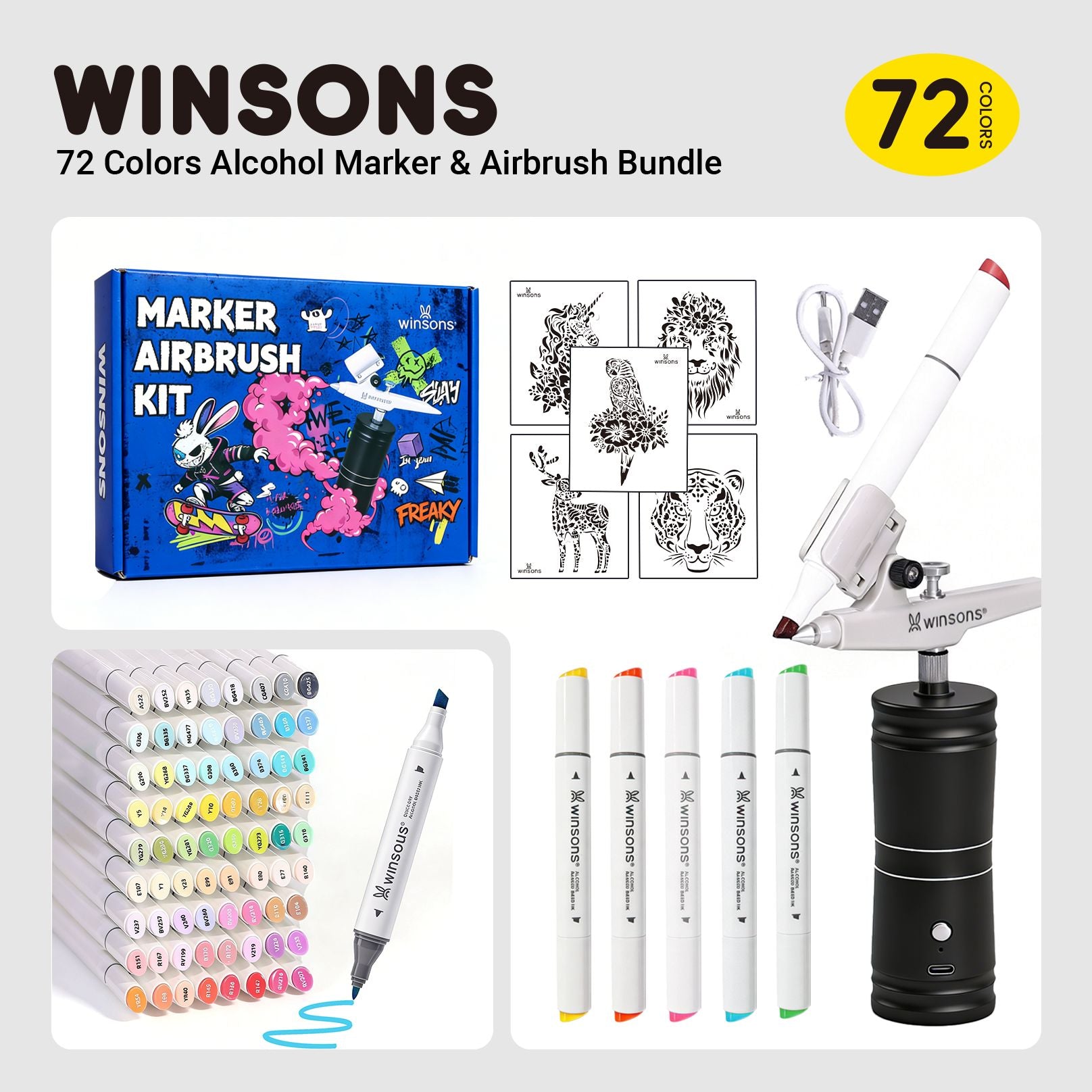
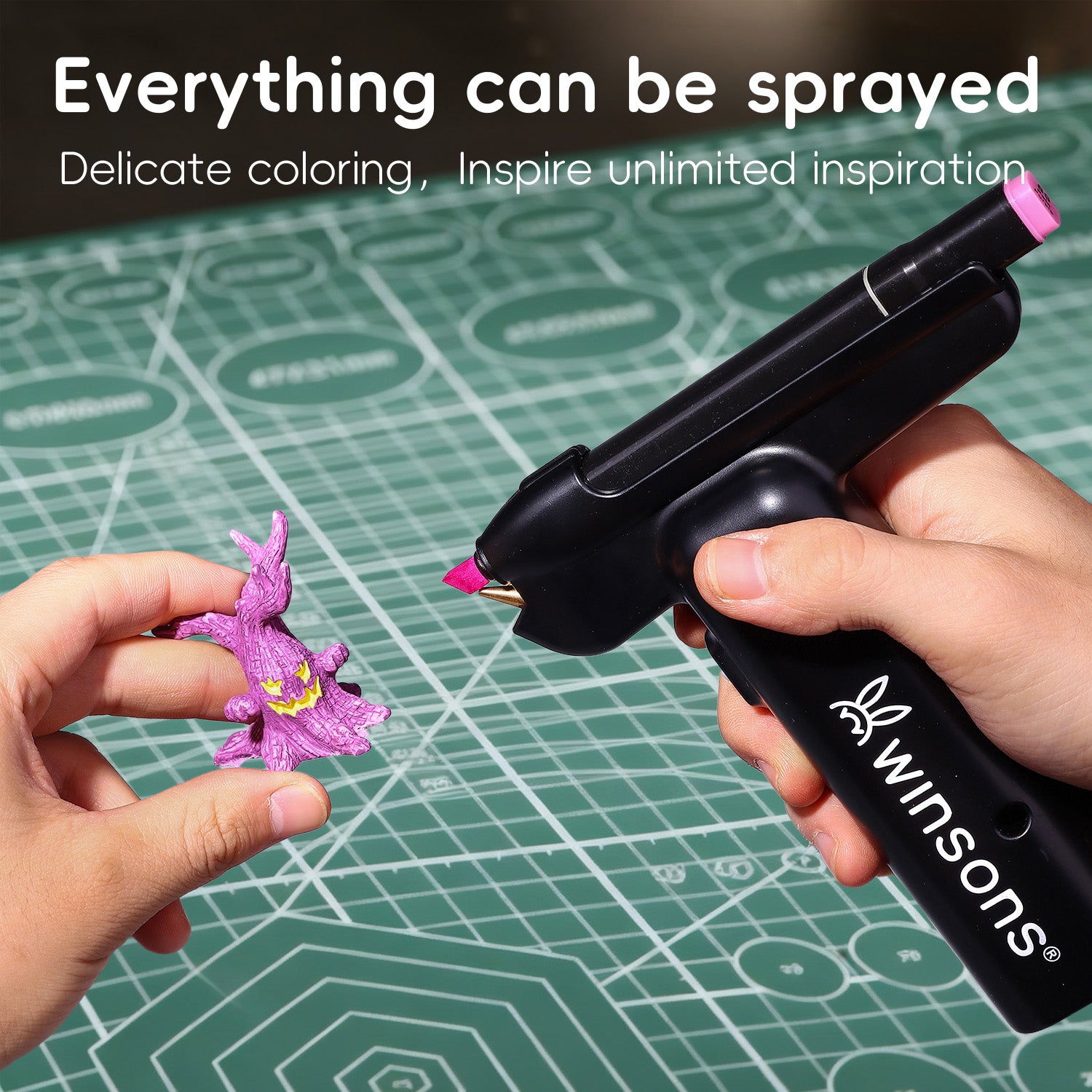
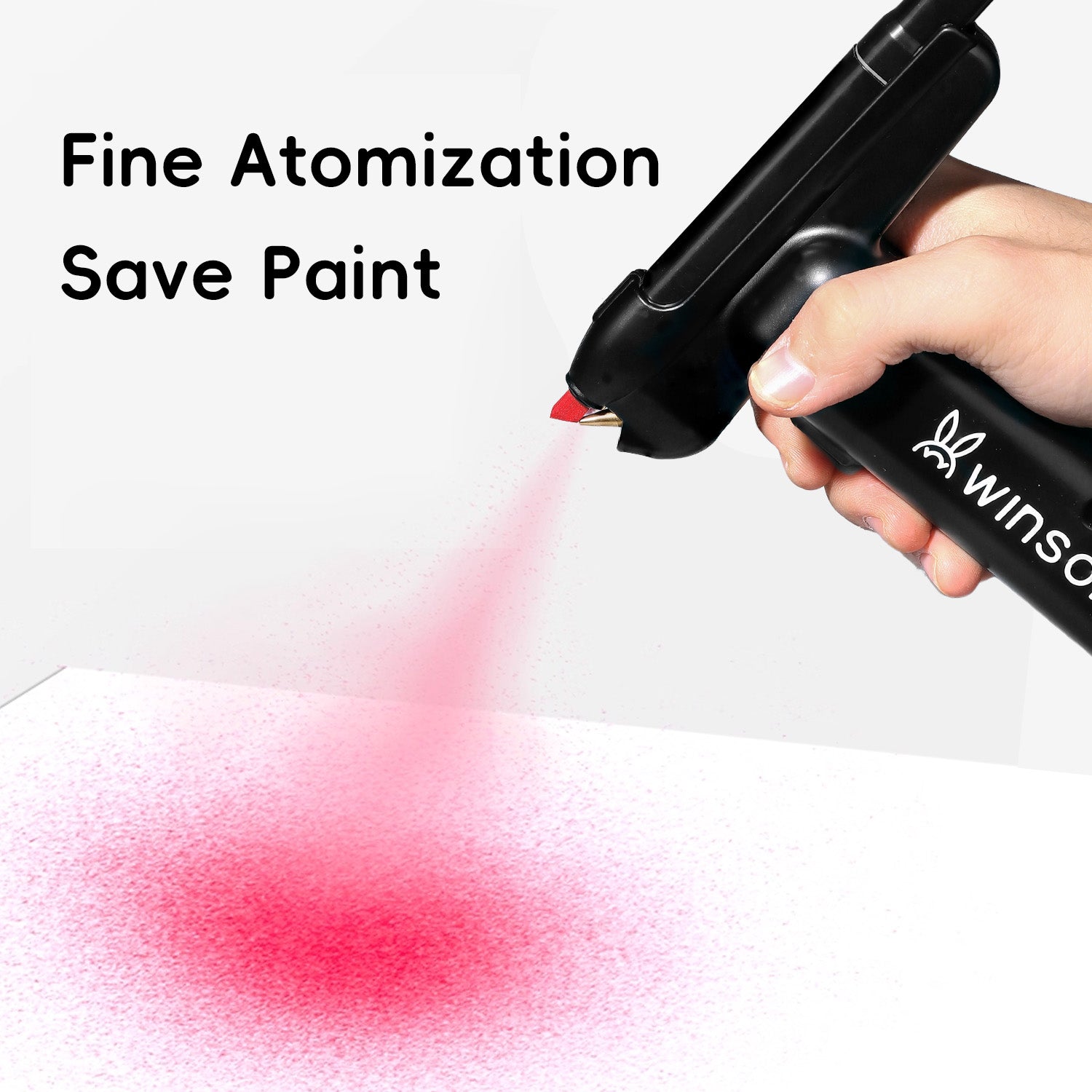
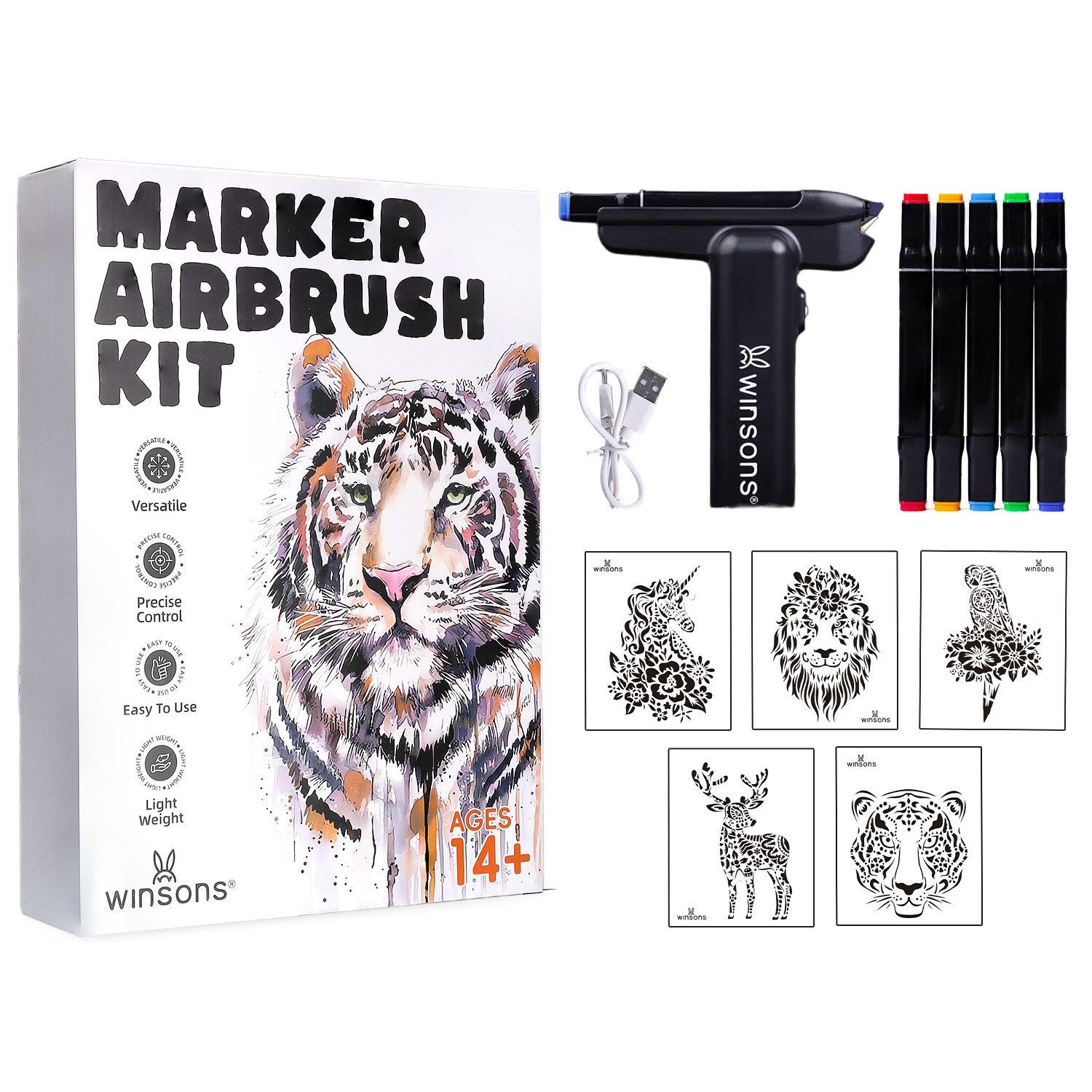
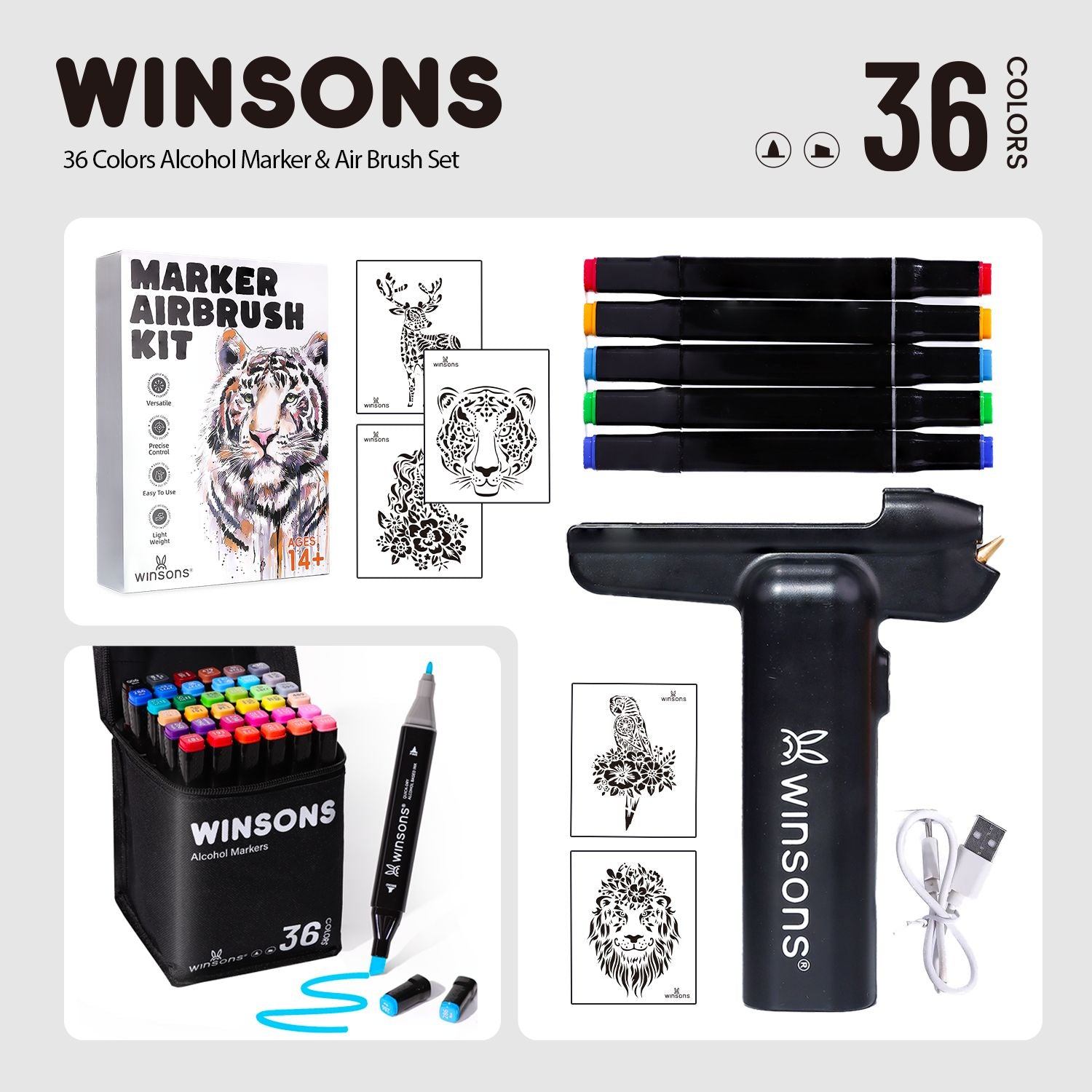
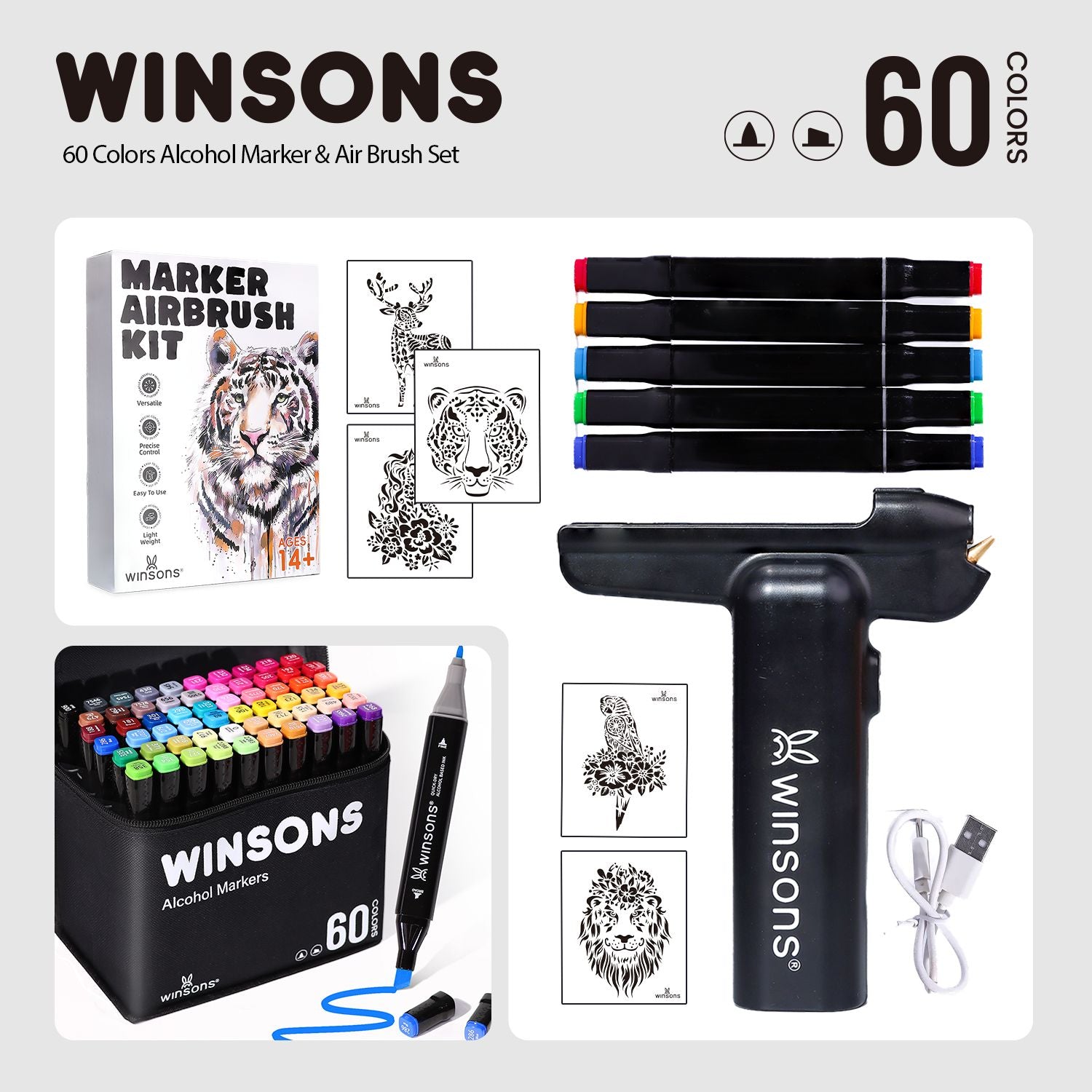
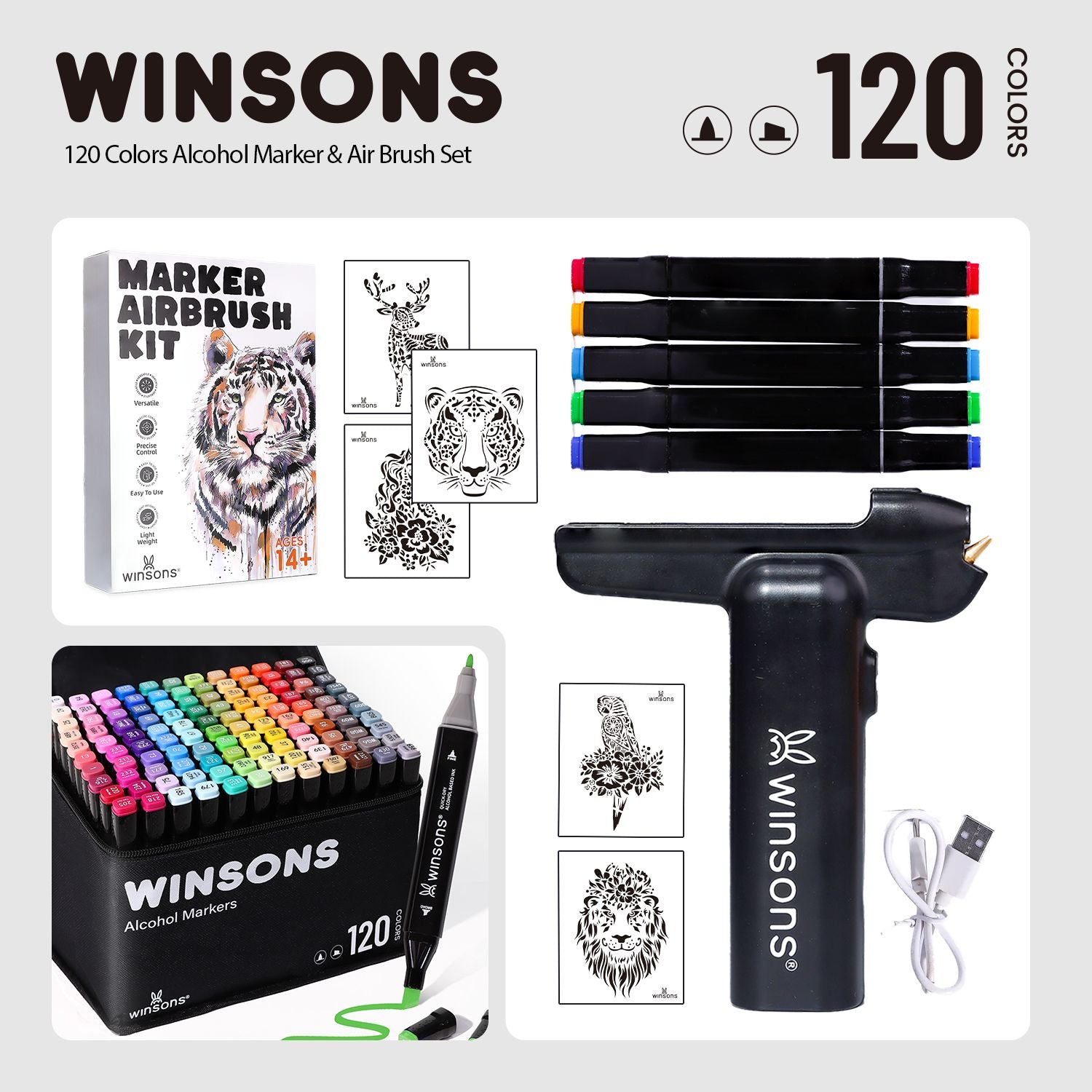
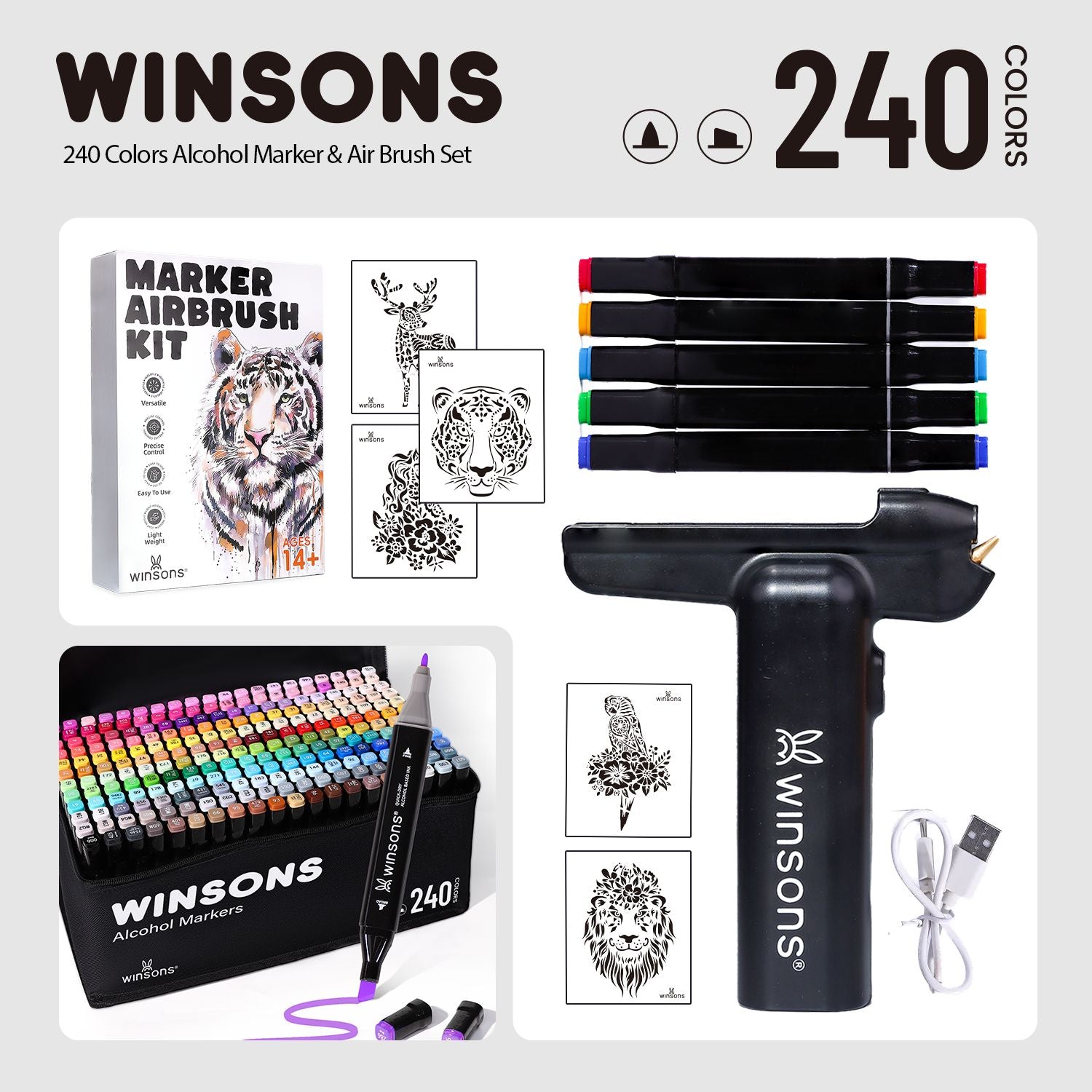
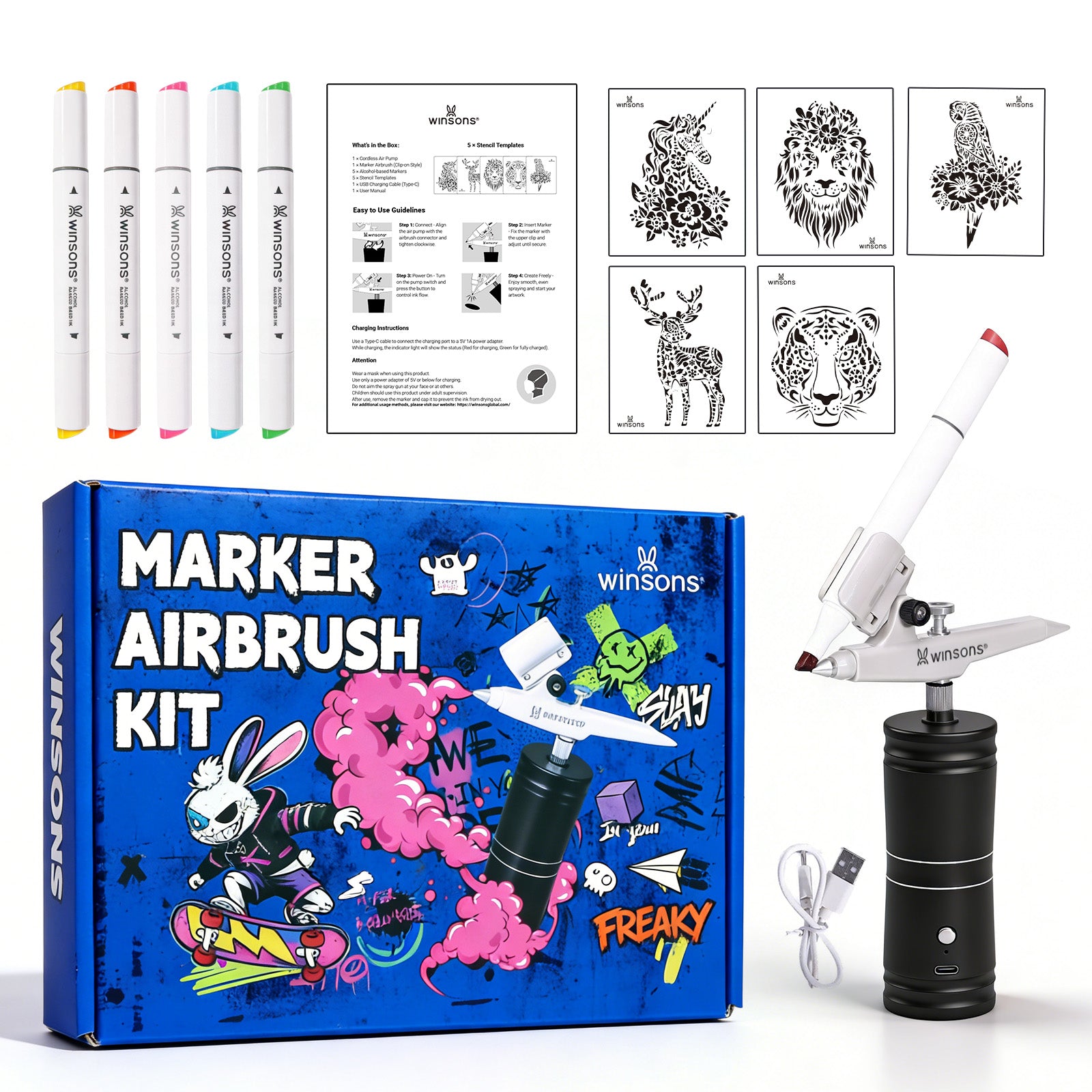
Marker-compatible airbrush systems like Winsons take a fundamentally different approach. Instead of liquid paint, they use alcohol-based markers as the color source.
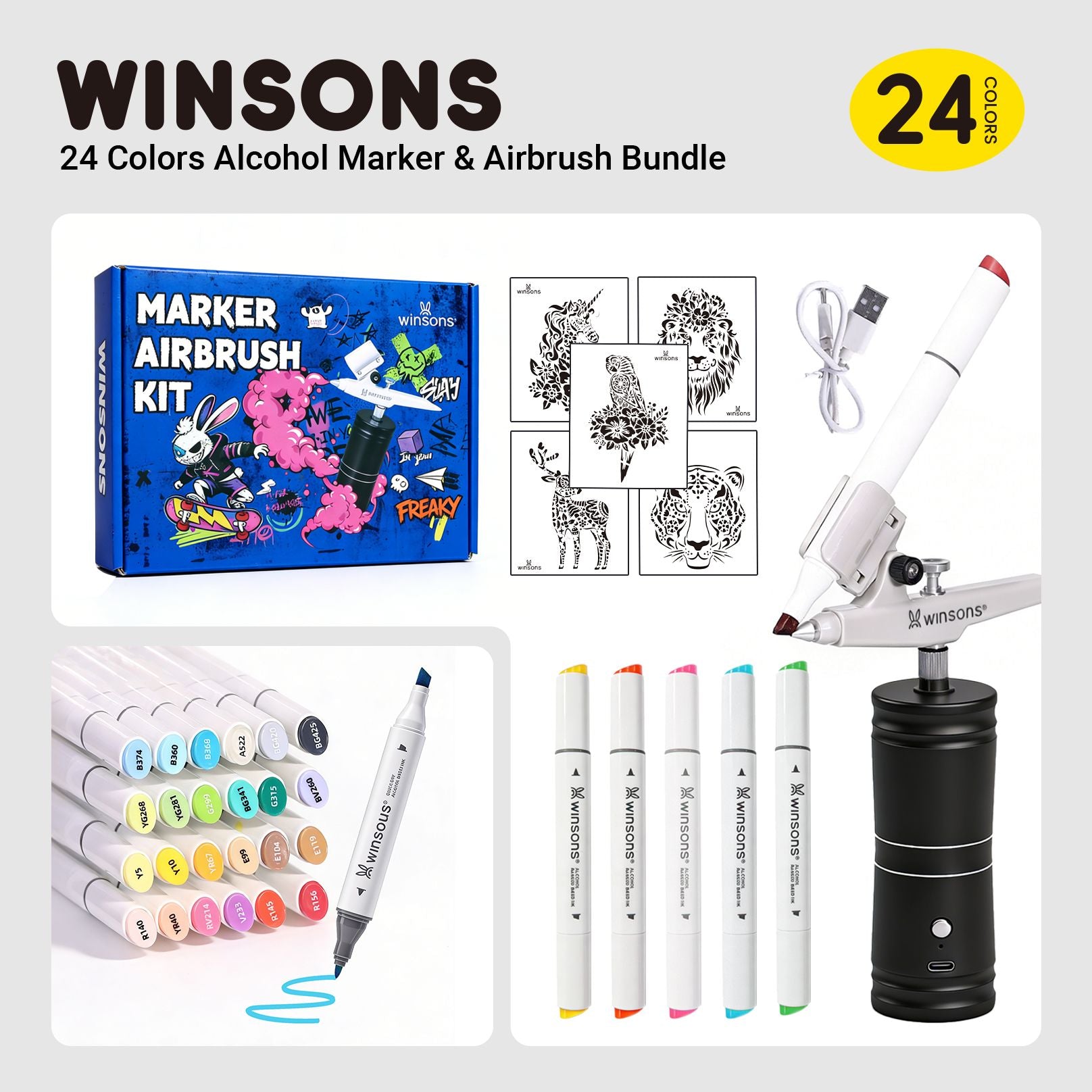
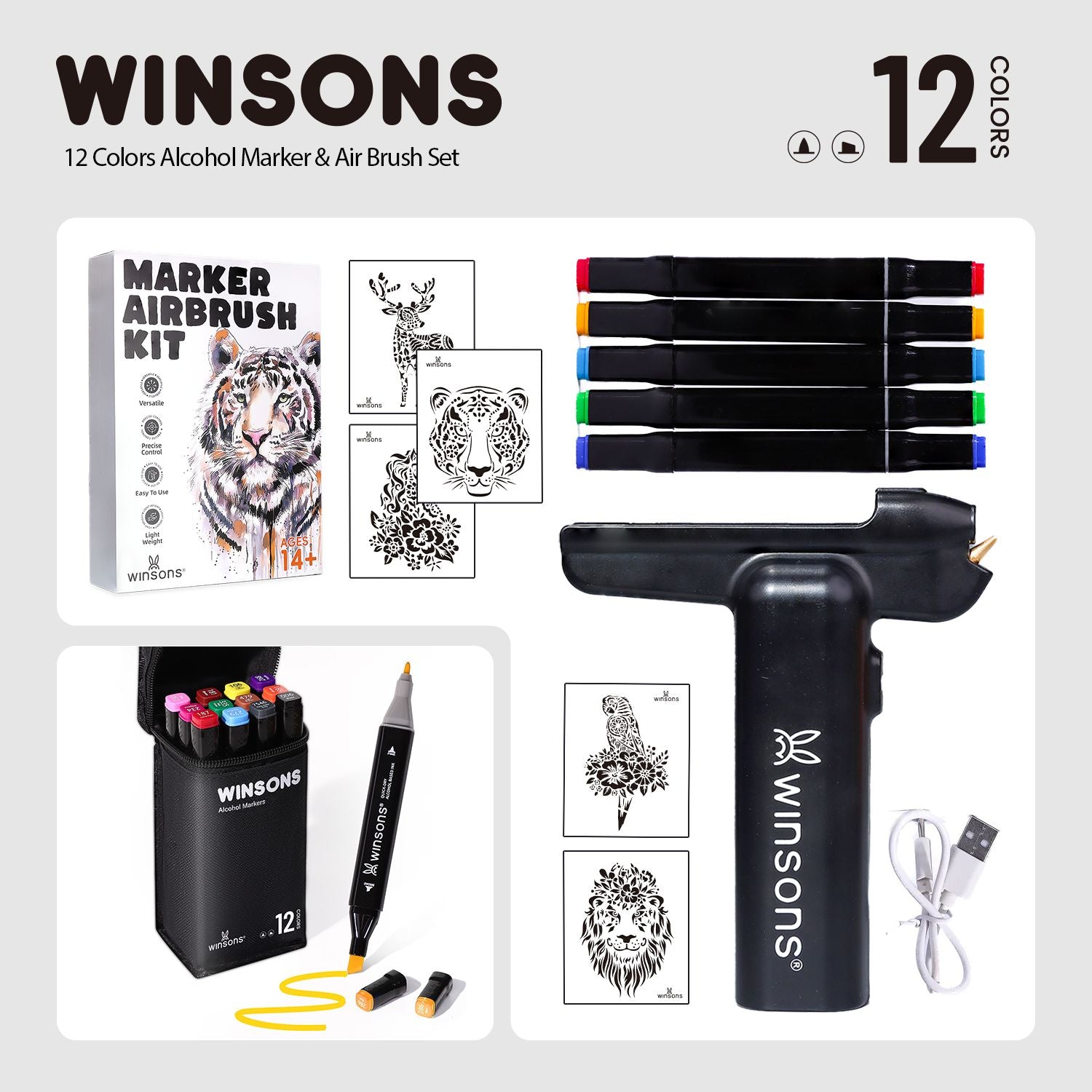
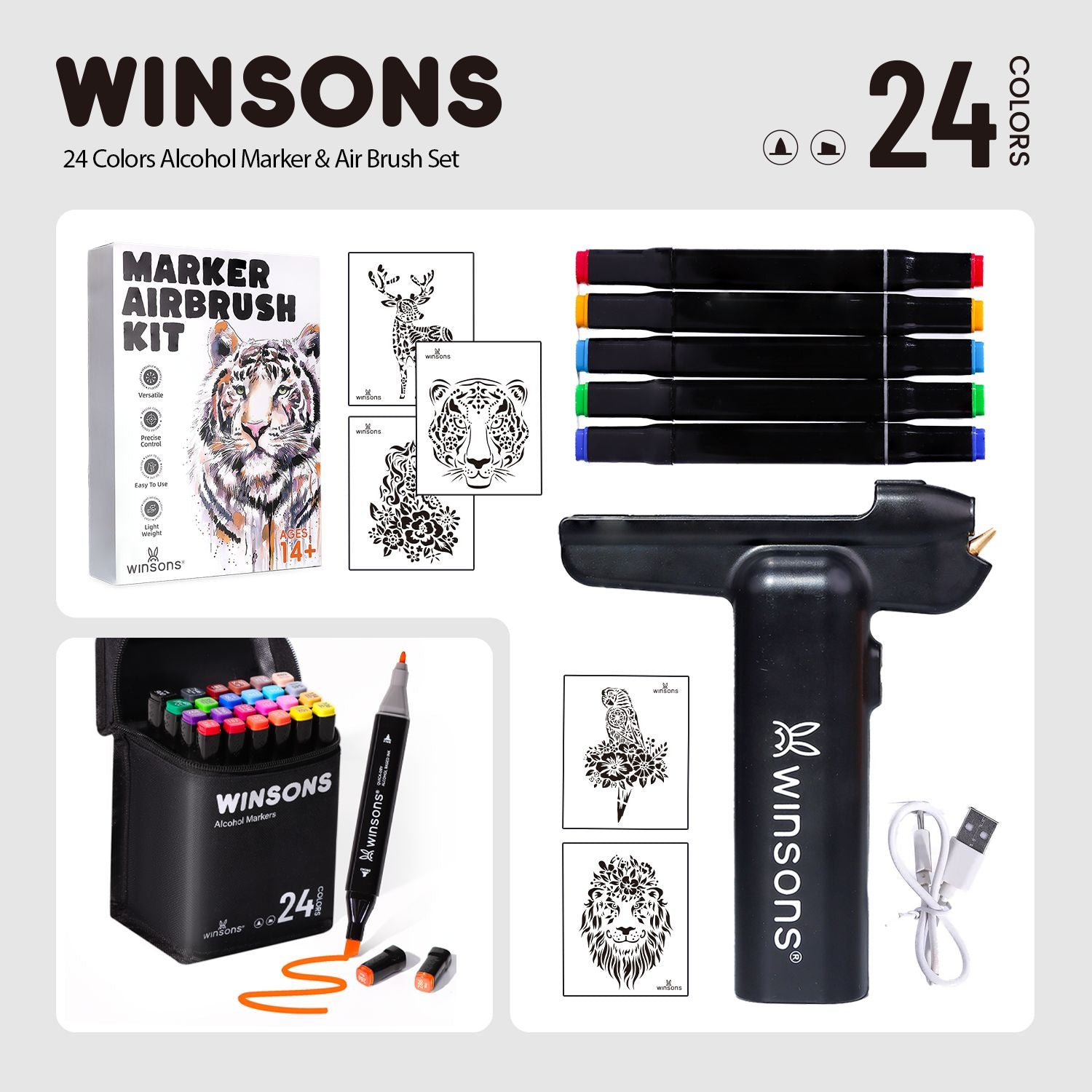
Setup includes:
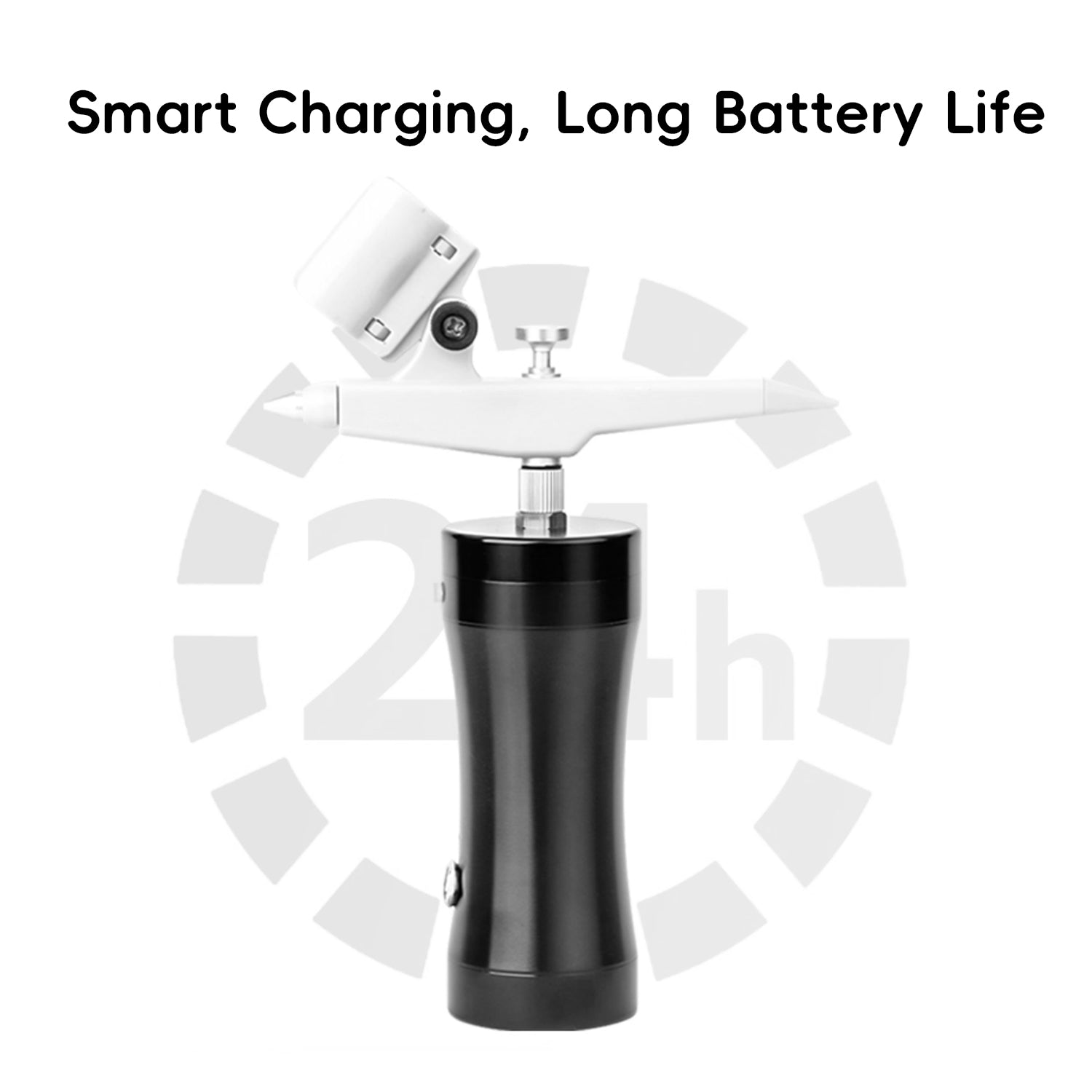
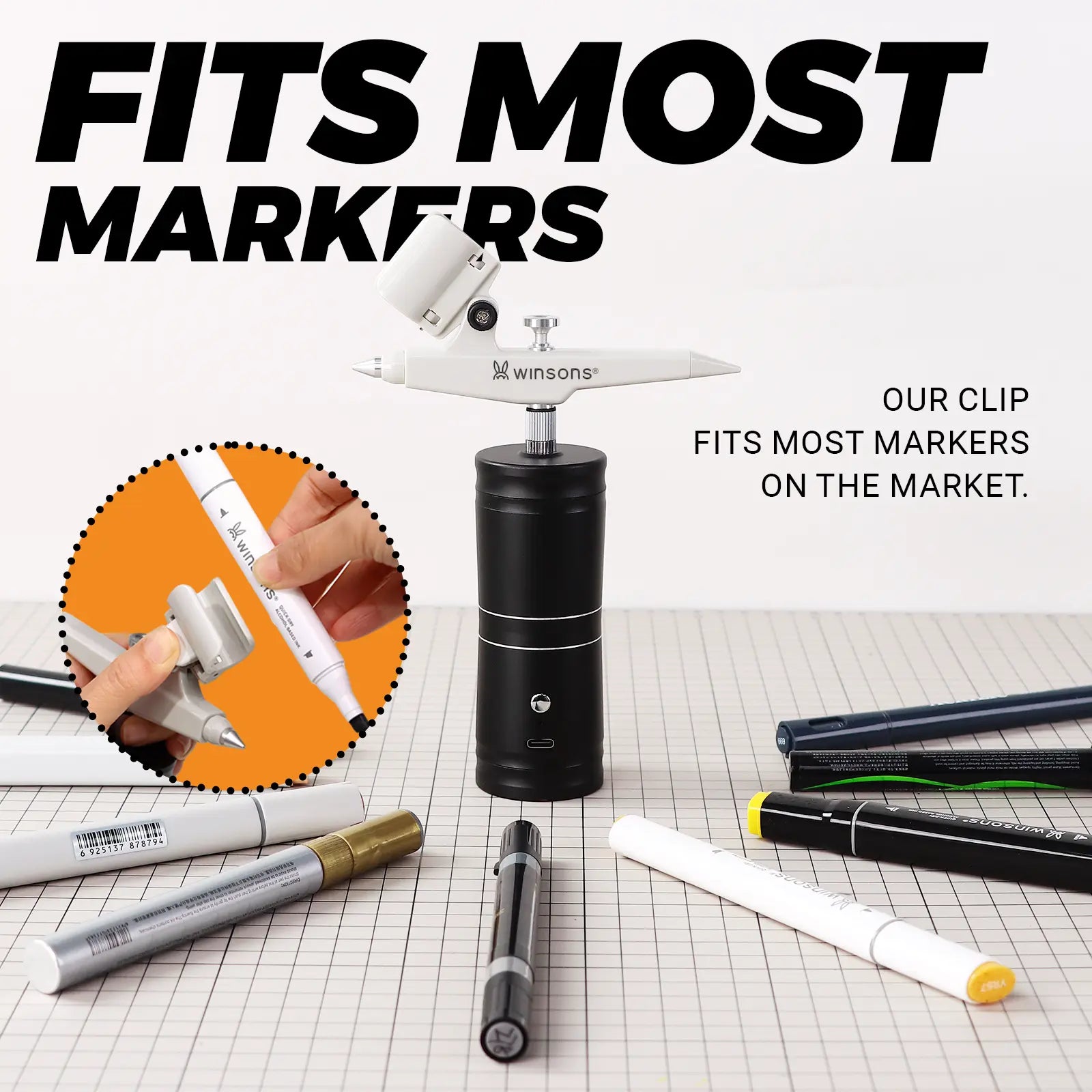
- Wireless airbrush unit
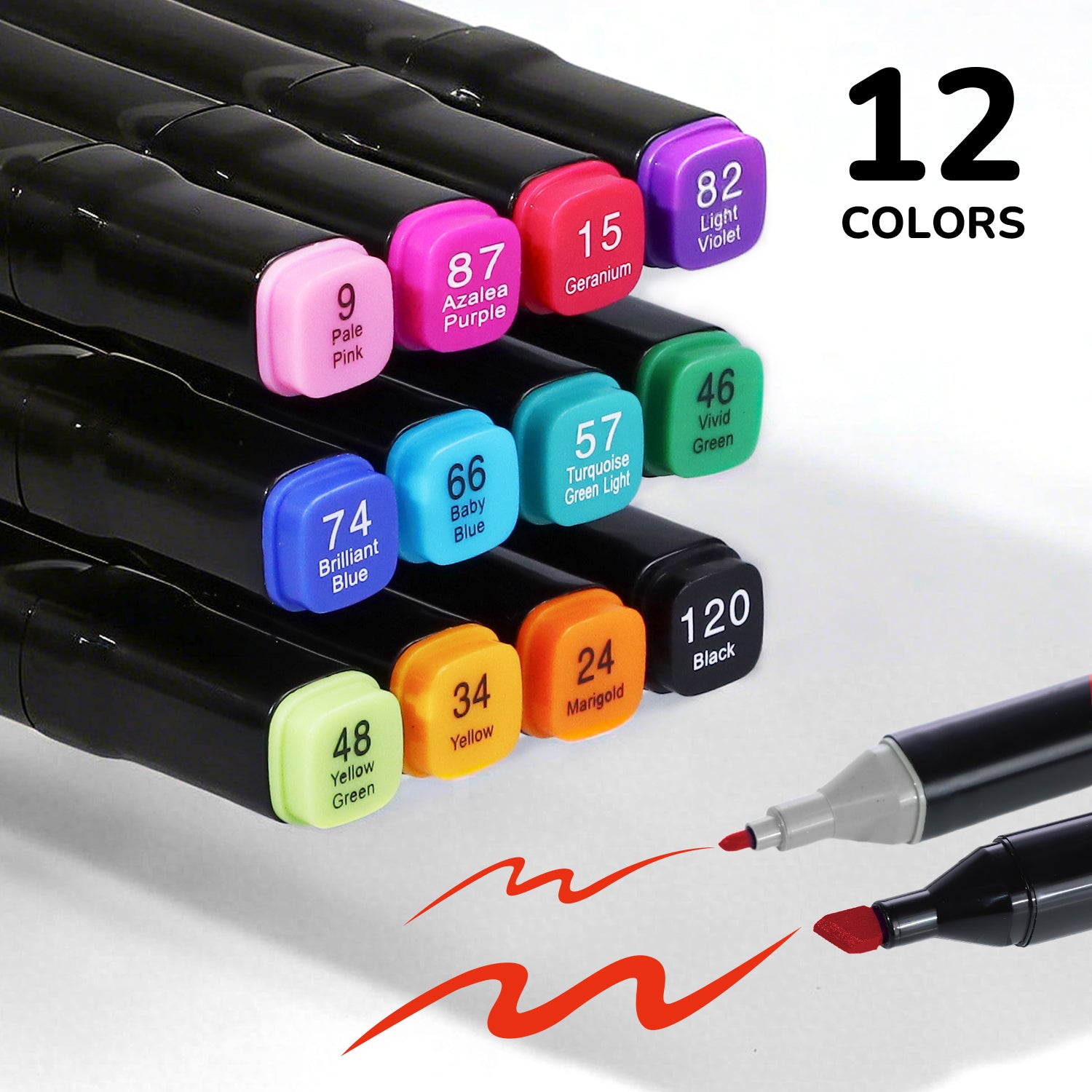
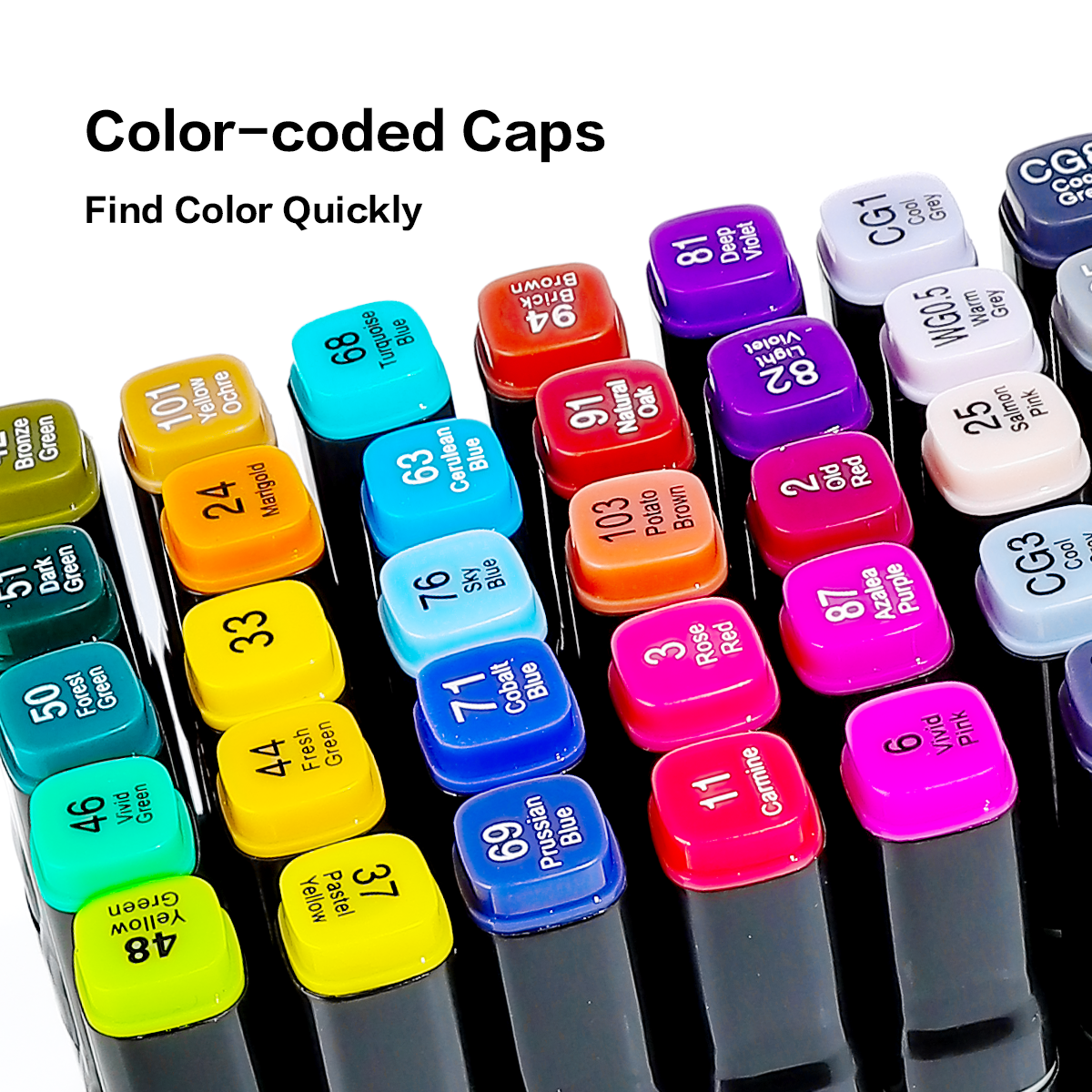
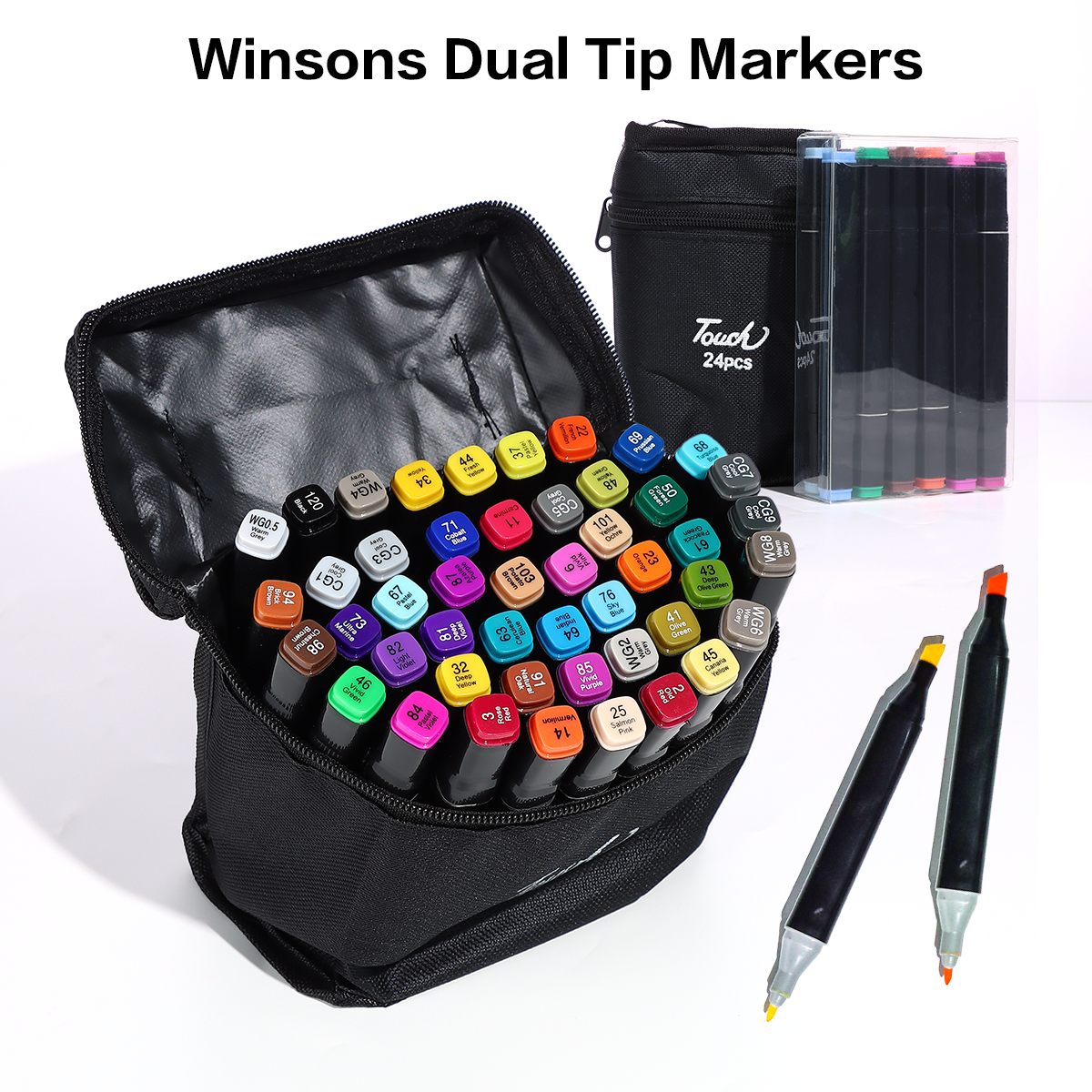
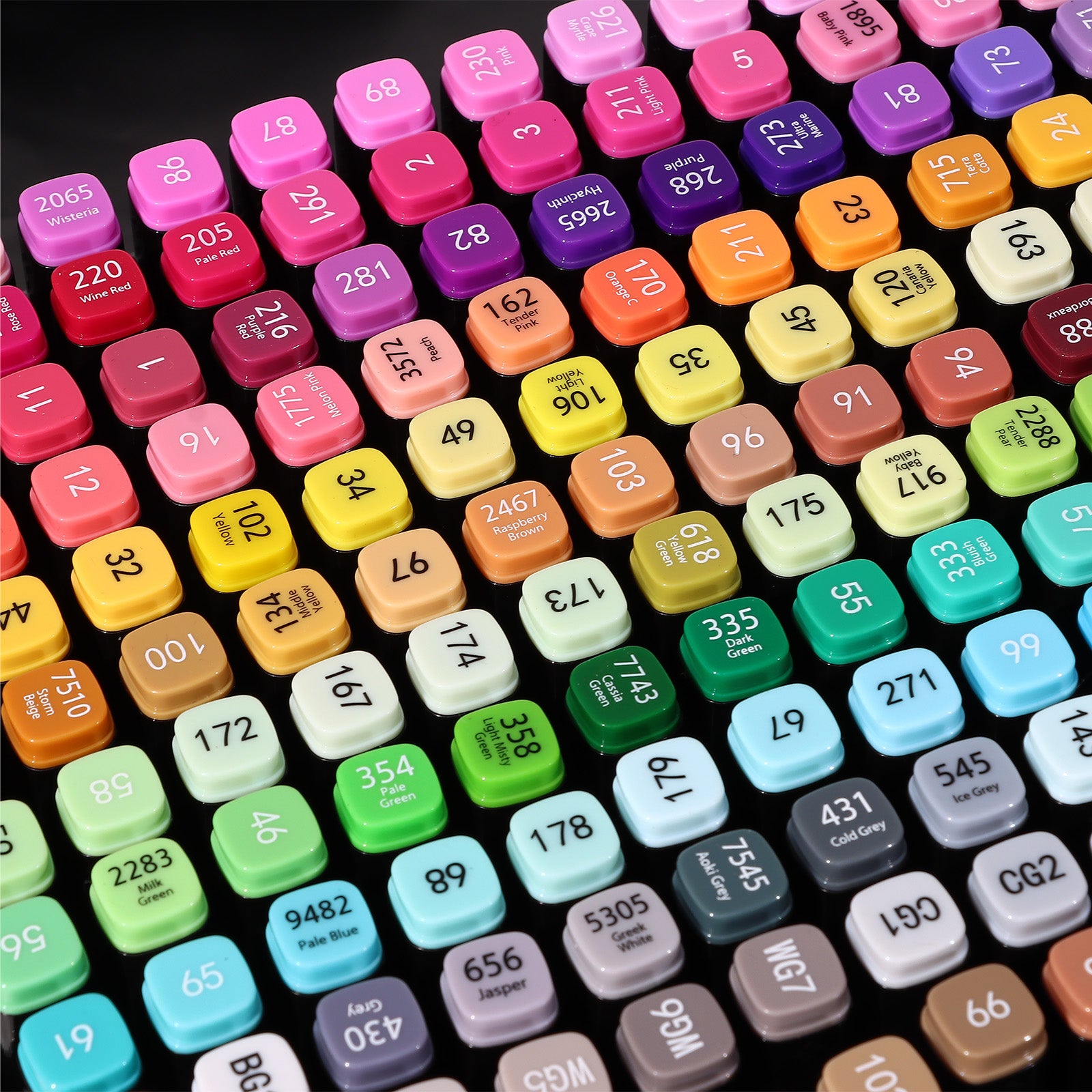
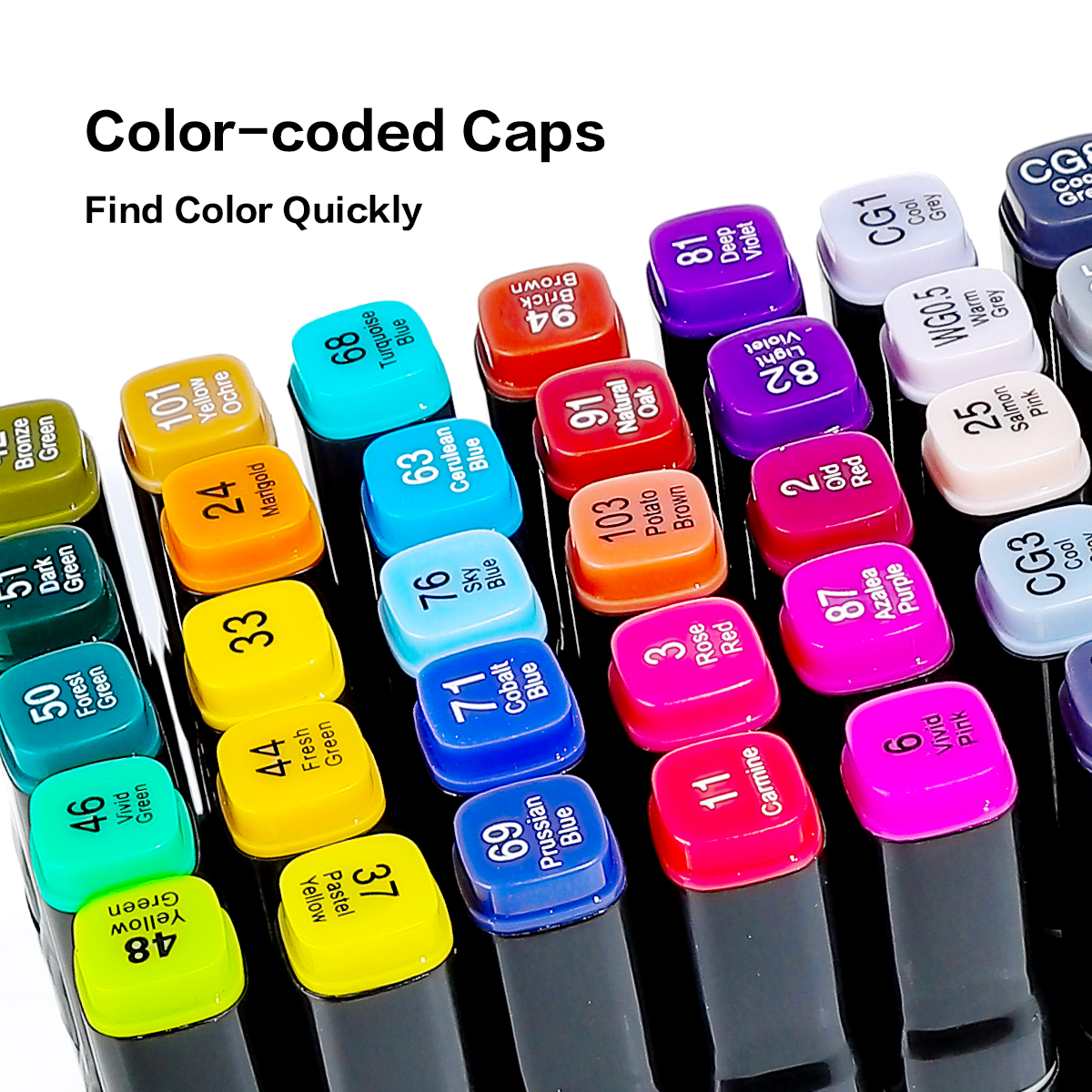
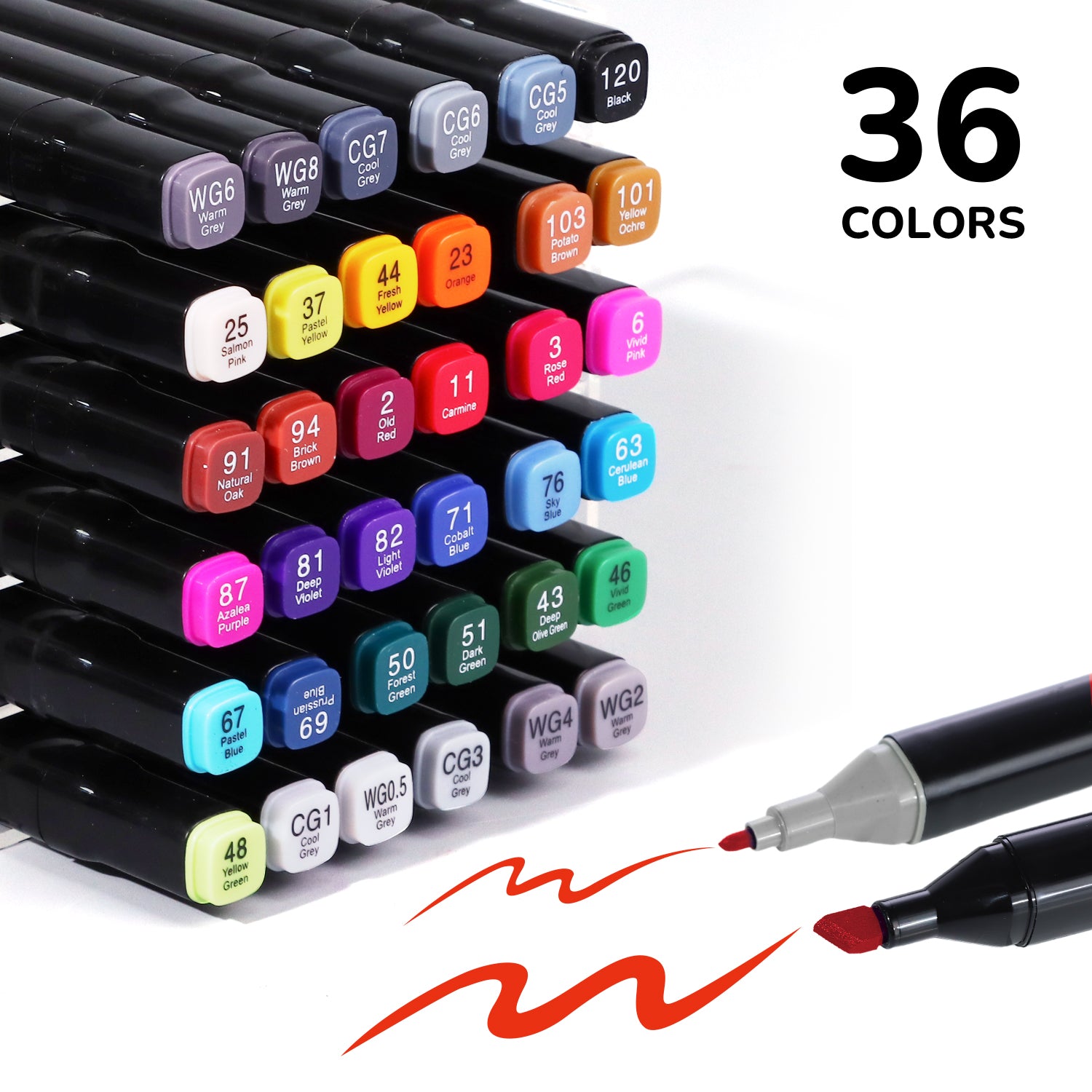
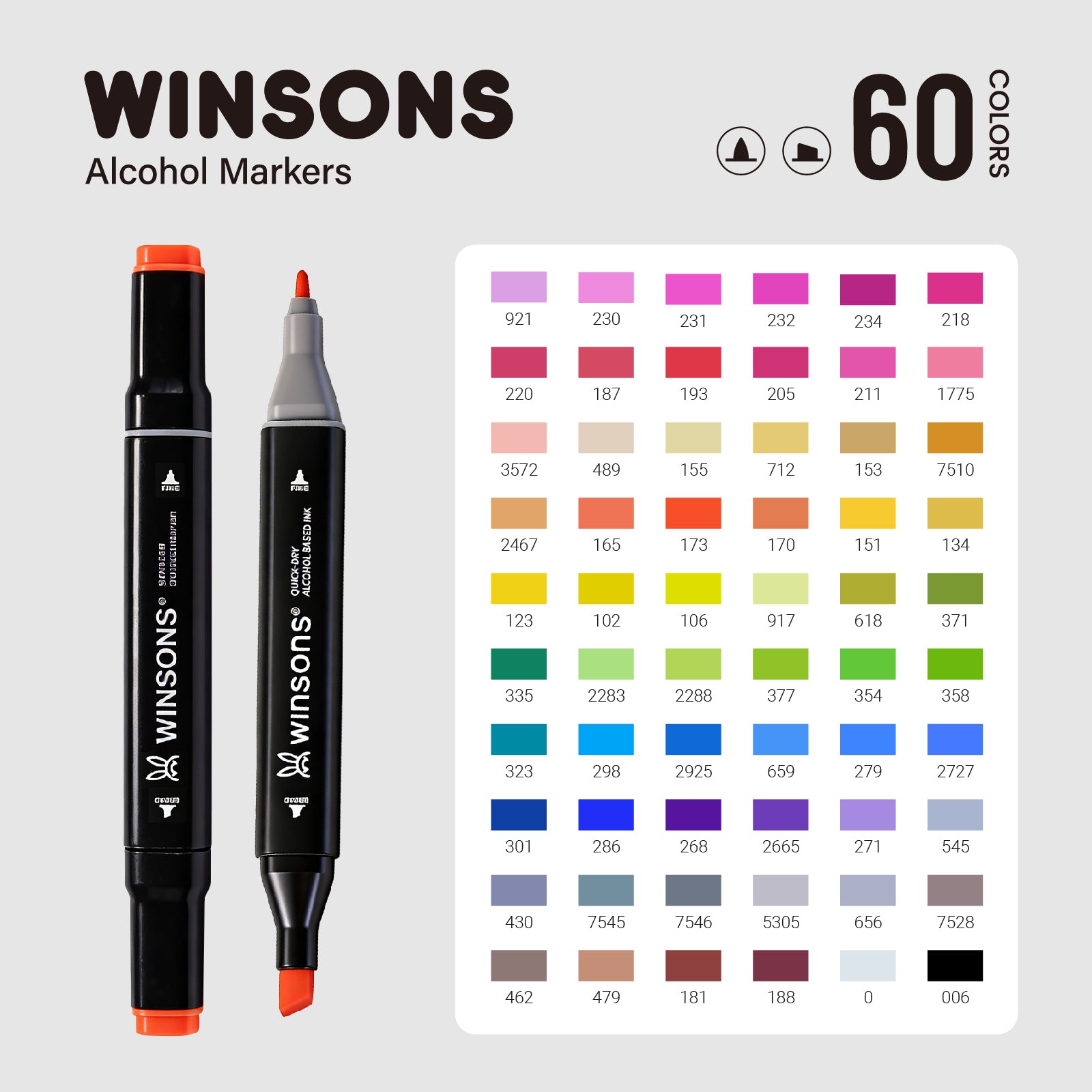
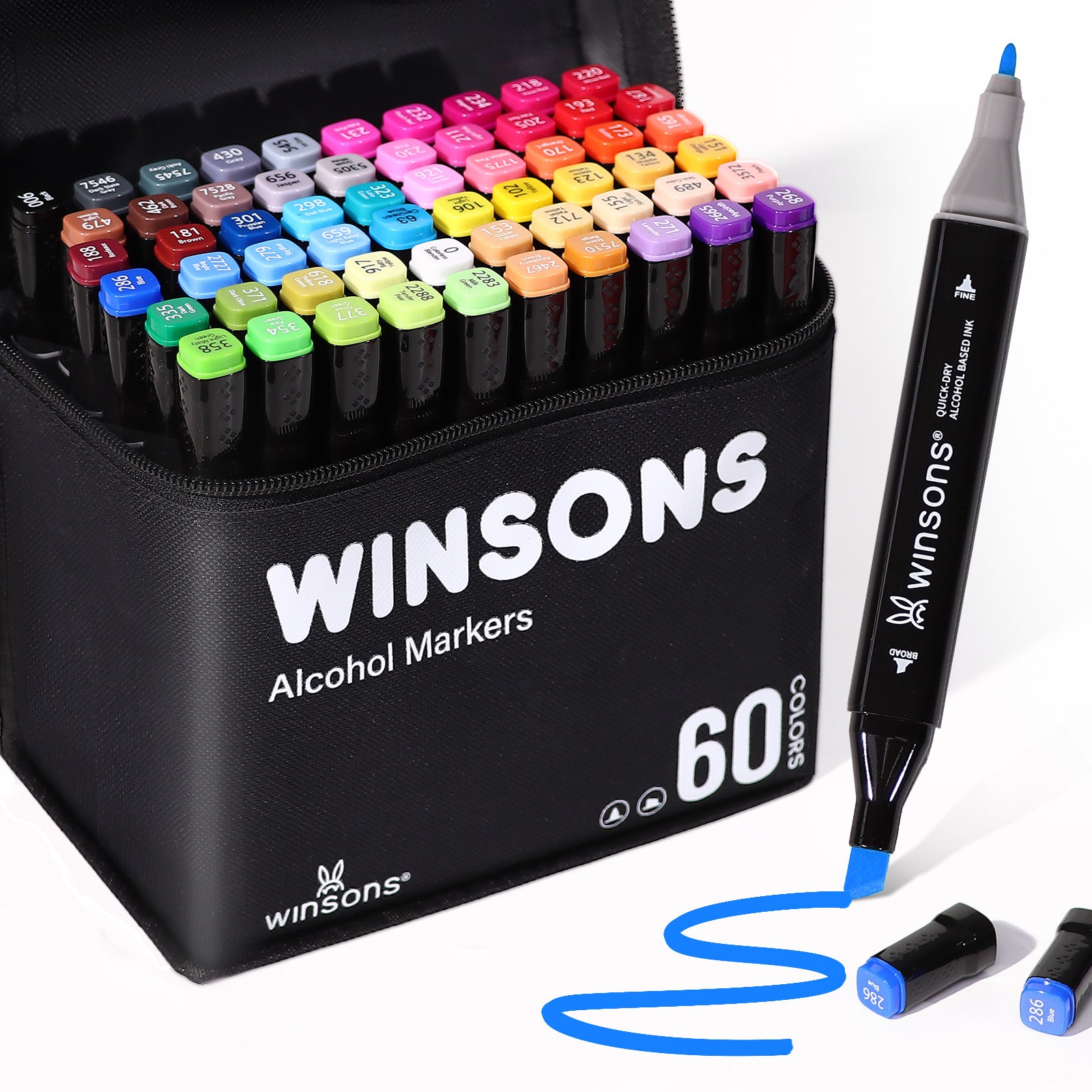
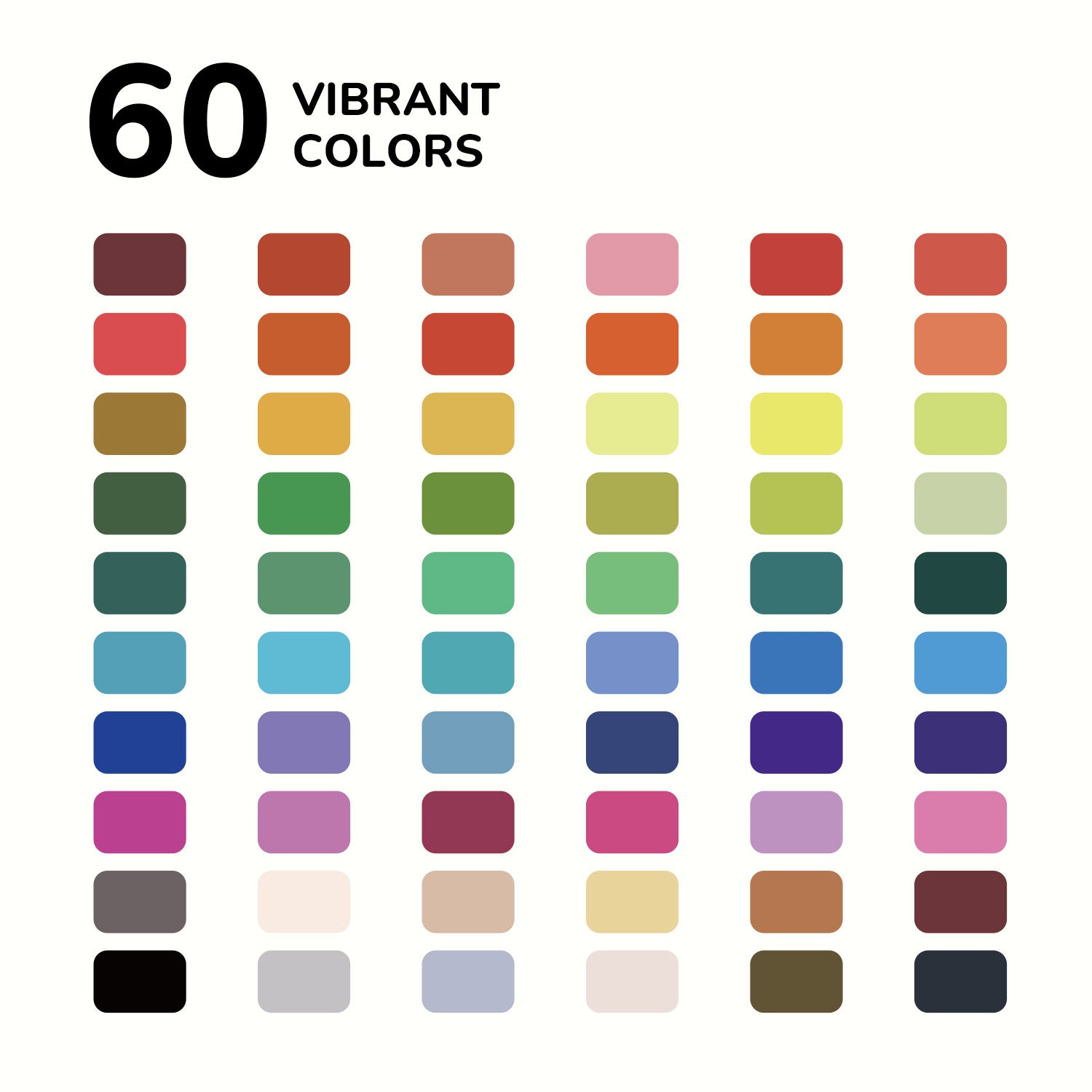
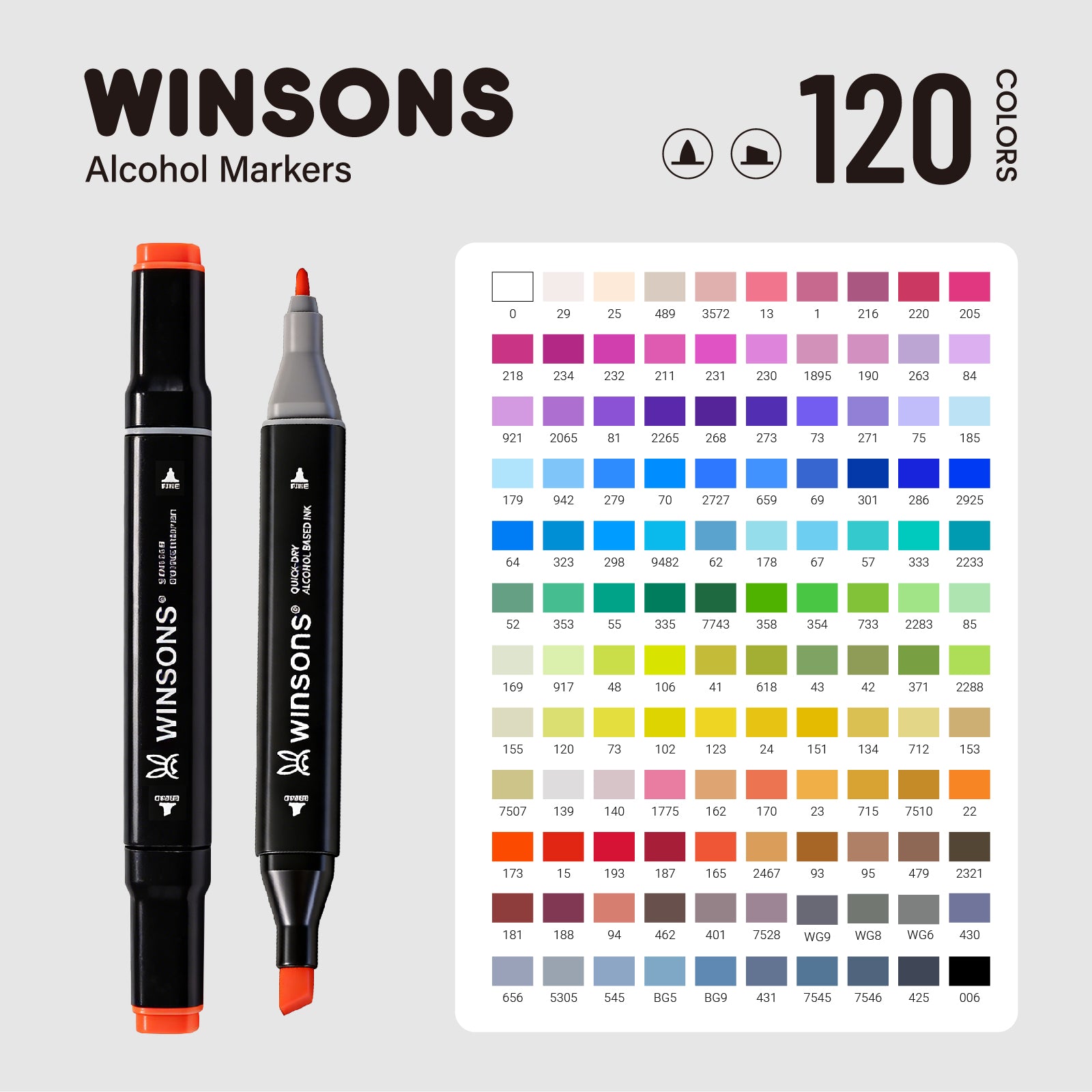
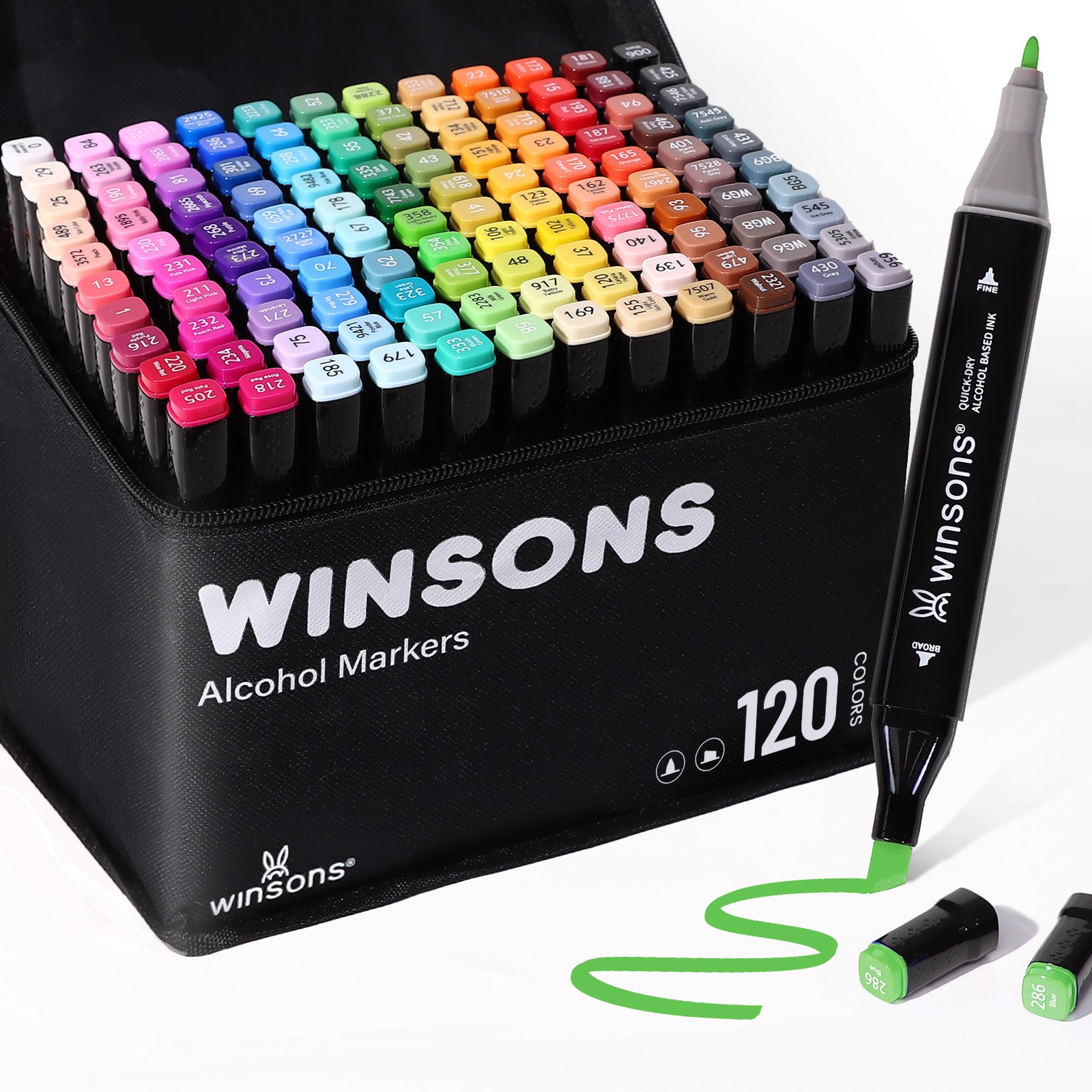
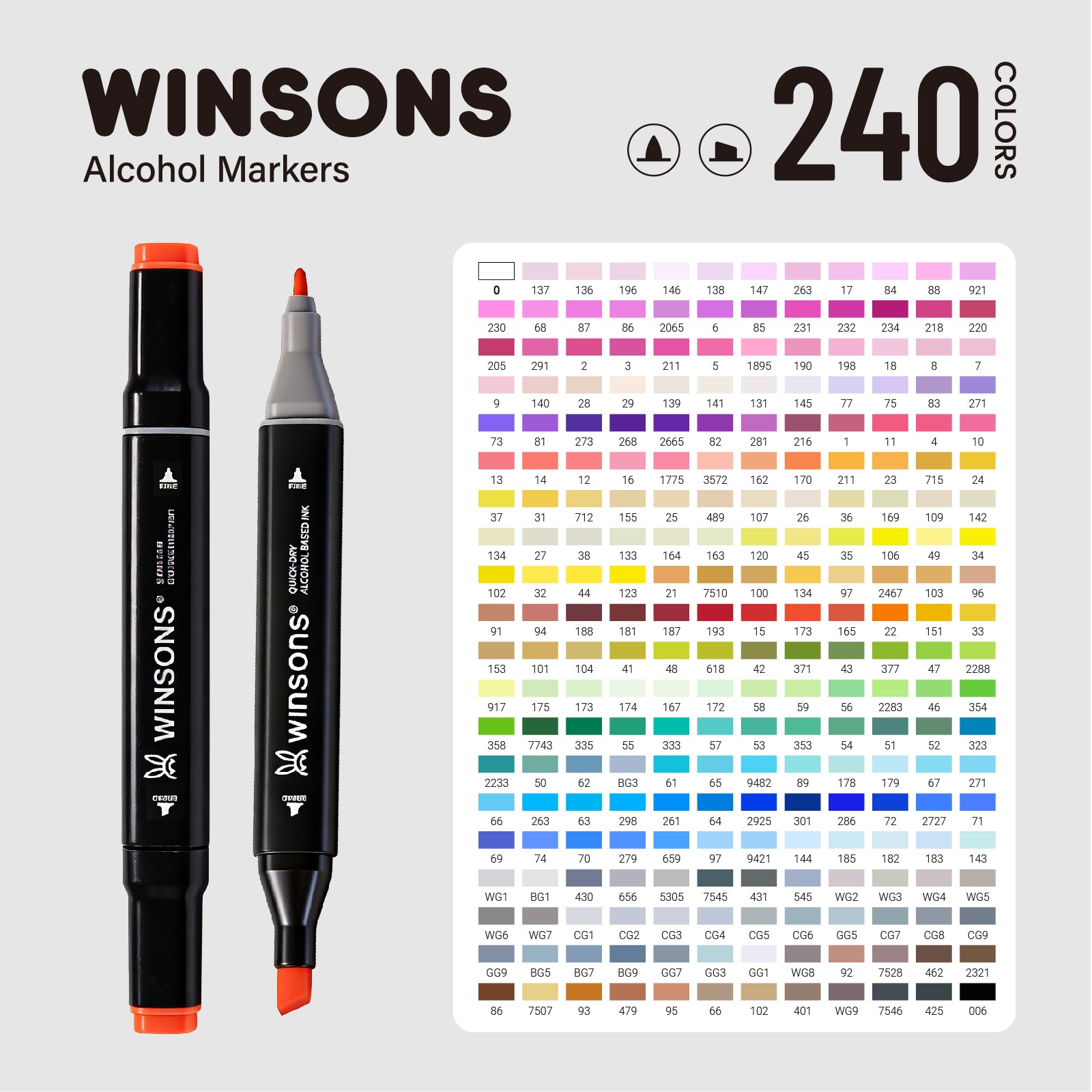
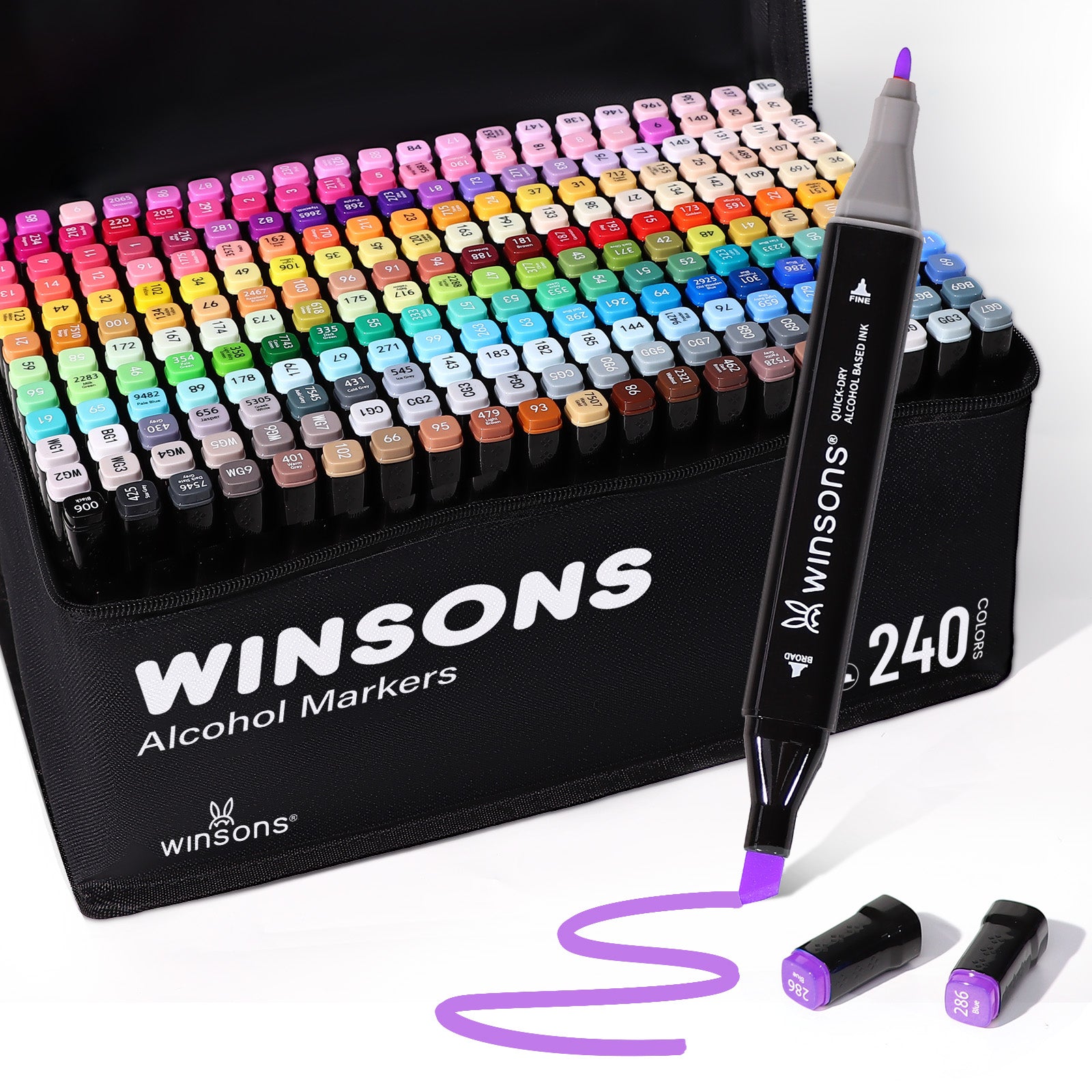
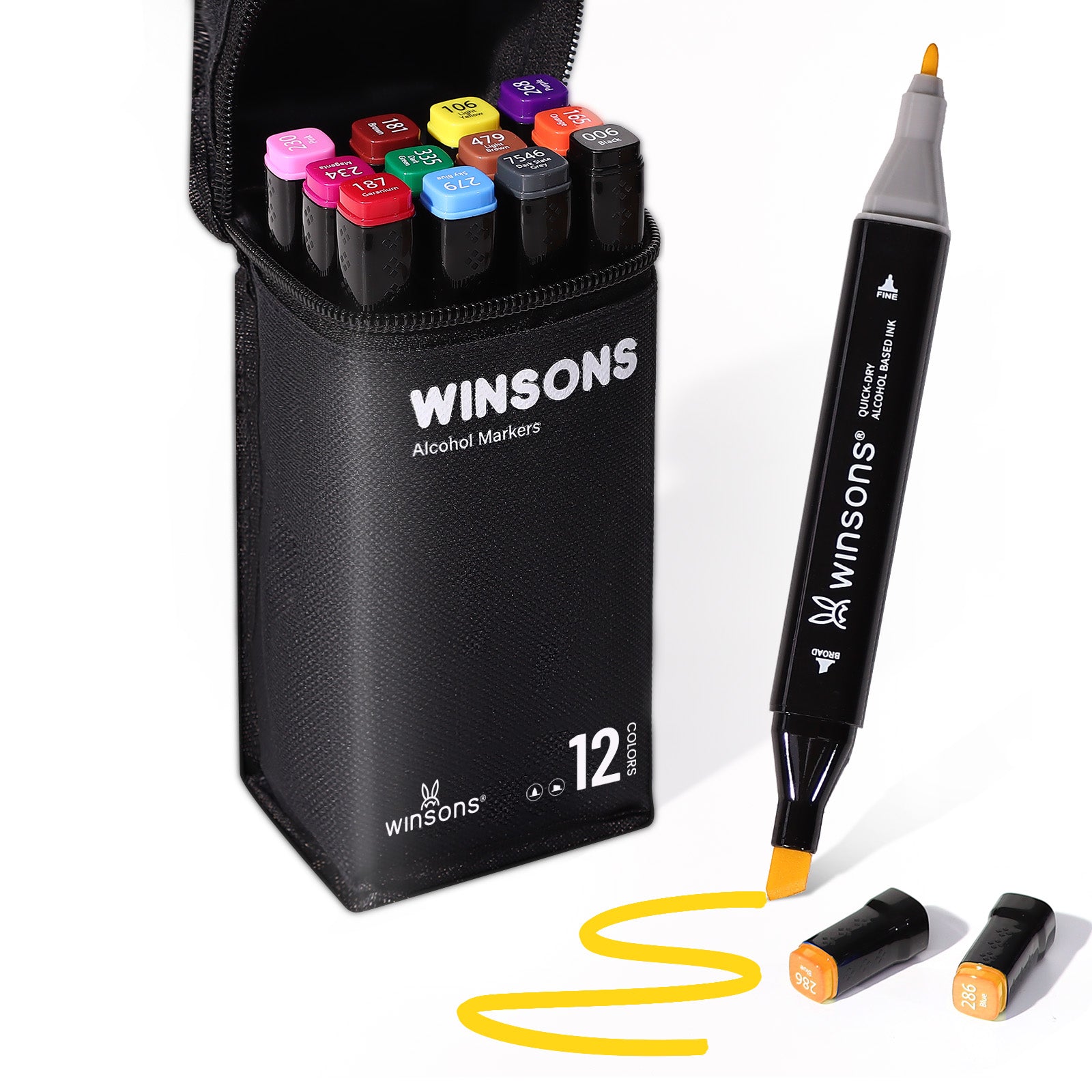
- Marker packs (12–262 markers)
- Optional multiple nozzle types
Typical budget range: $39 – $300+, depending on kit size and markers
Pros
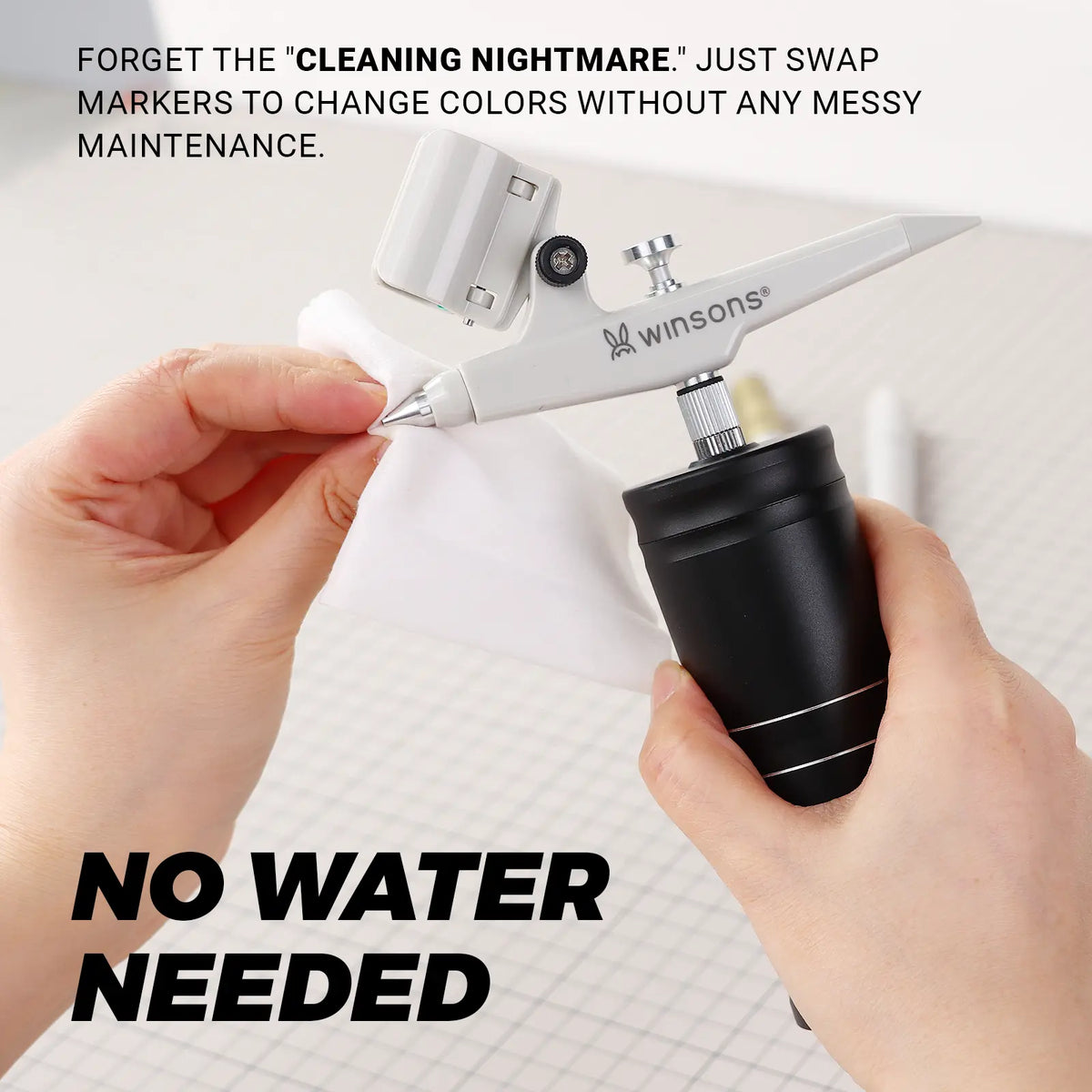
- No paint mixing or thinning required
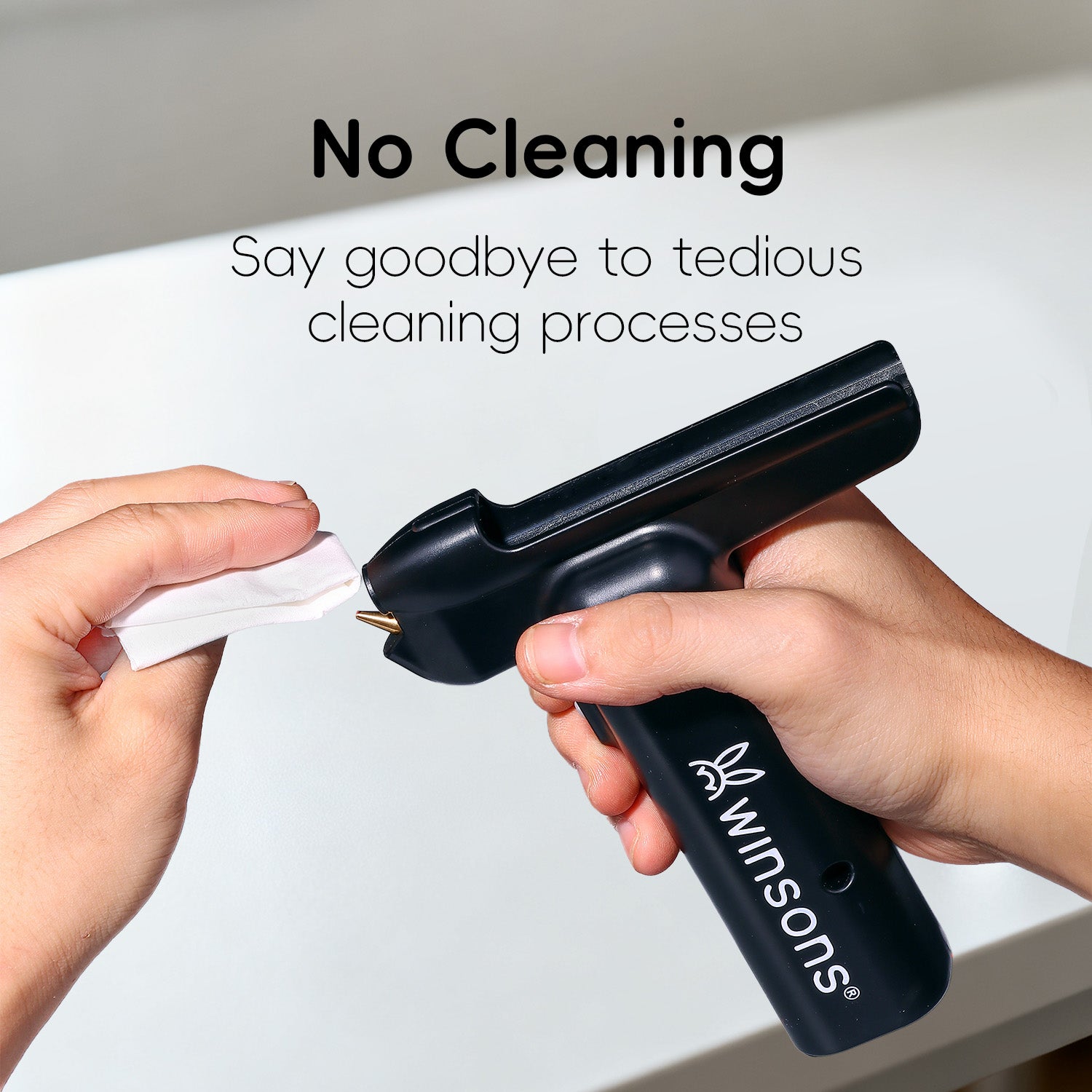
- No cleaning needed
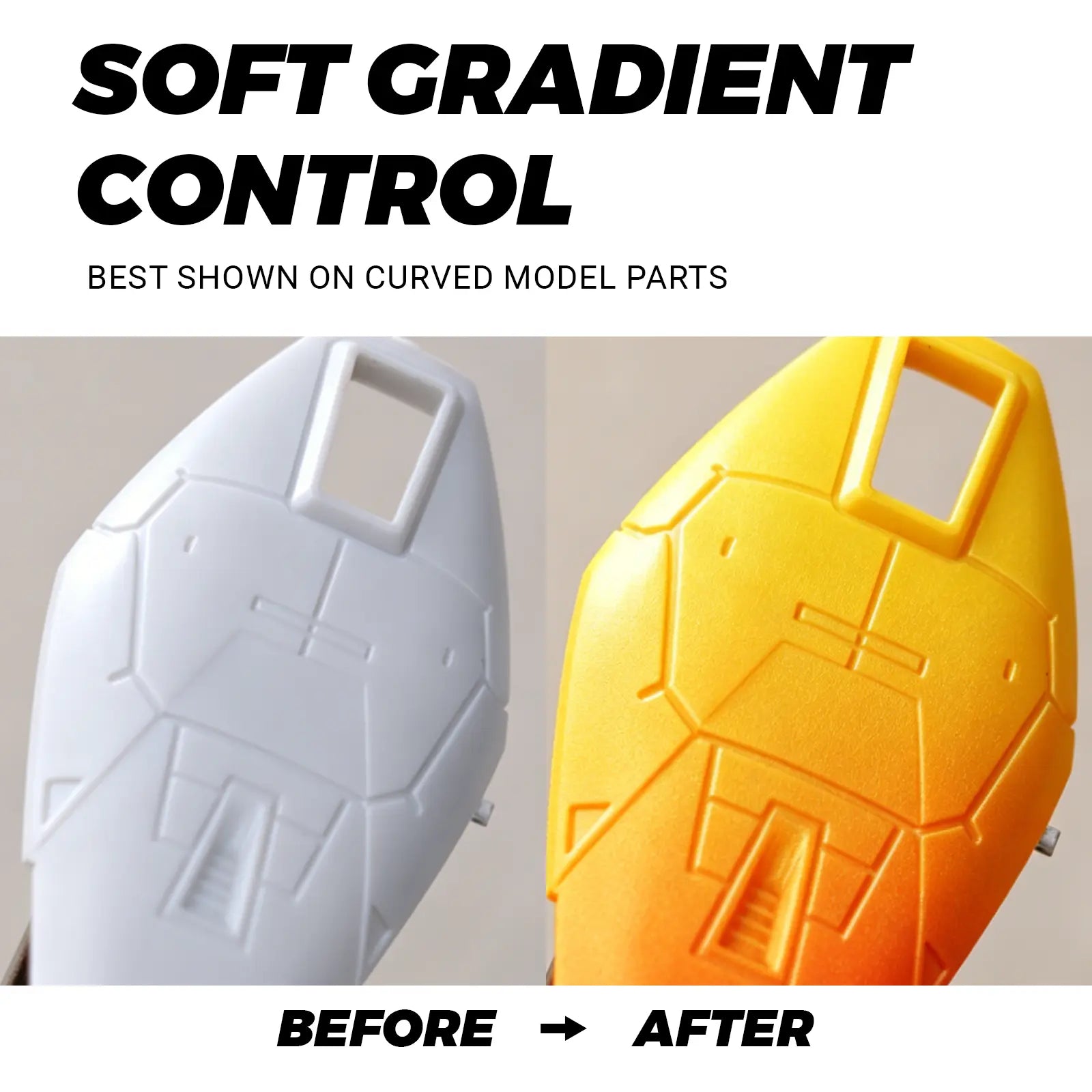
- Predictable, repeatable color
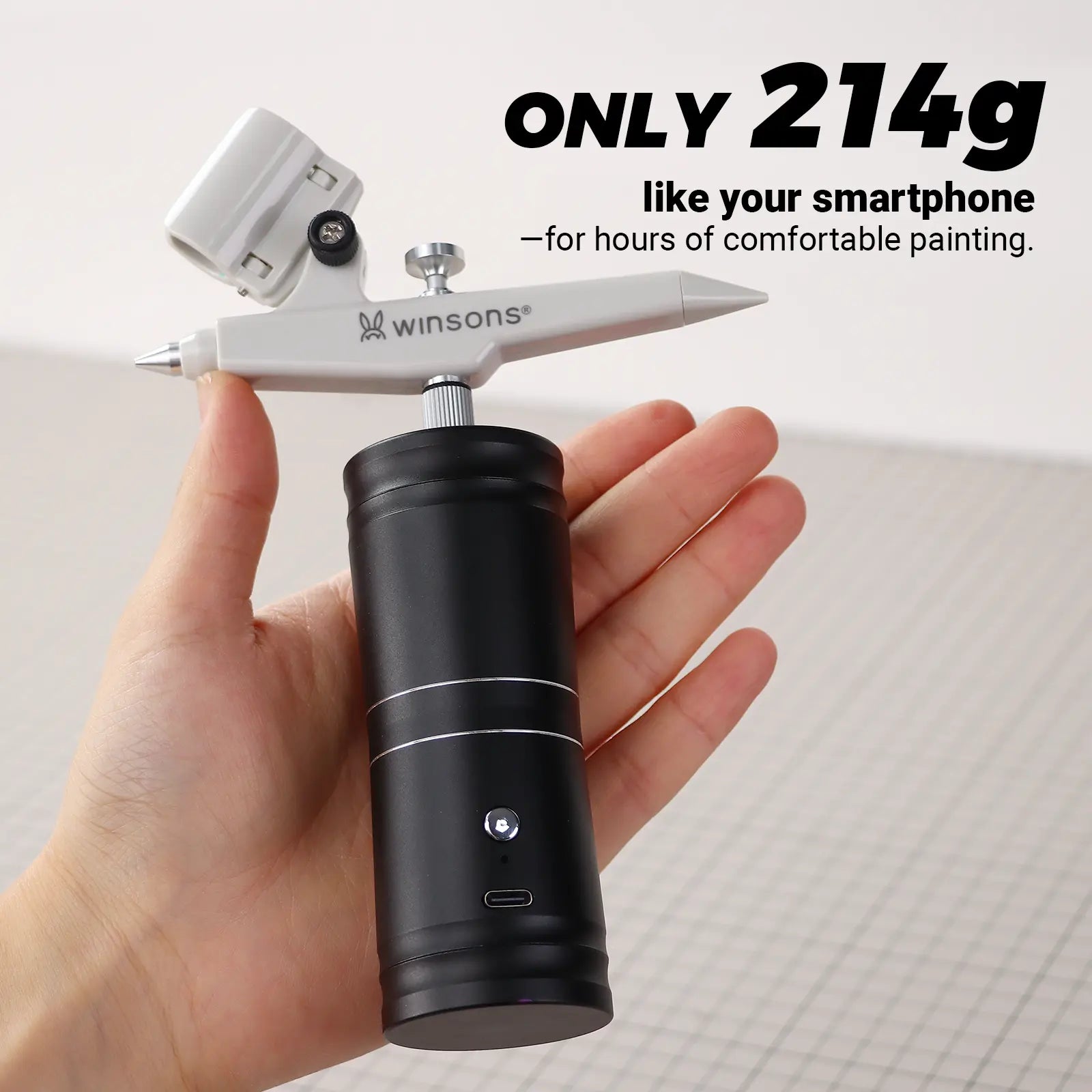
- Beginner-friendly and portable
Cons (Honest Note):
- Not designed for ultra-fine detail work
- Optimized for low-pressure, consistency, and control rather than maximum spray pressure
Internal Links:
- Shop Marker Airbrush Kits: Airbrush Collection
- Compare kit options: Winsons Cordless Electric Airbrush Marker Kit
- Why this workflow feels easier: Why Winsons Airbrush Makes Creativity Effortless?

4. Accessories & Hidden Costs
Even simple airbrush setups often come with hidden costs:
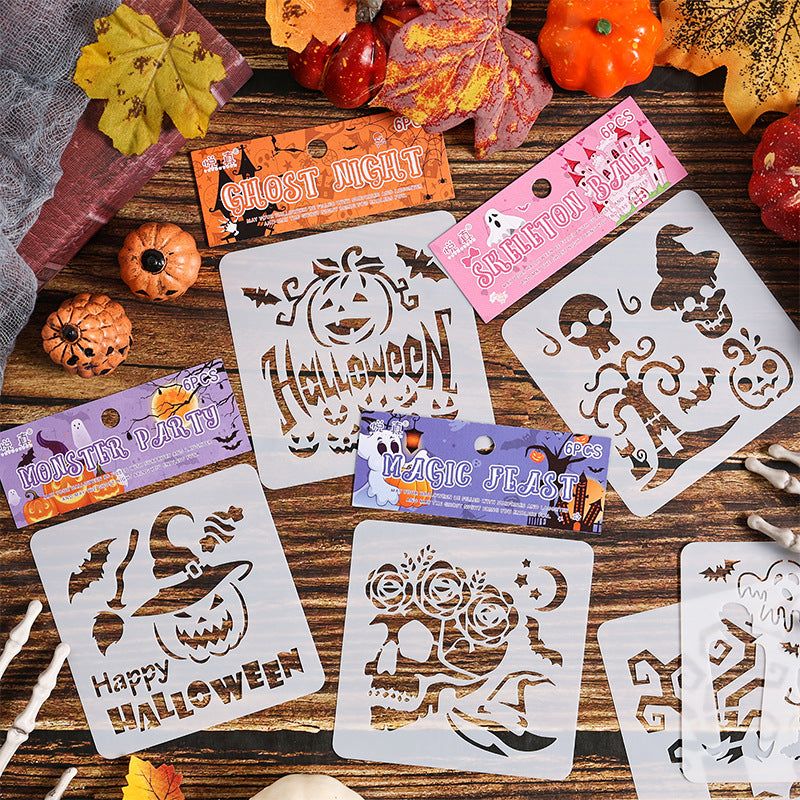
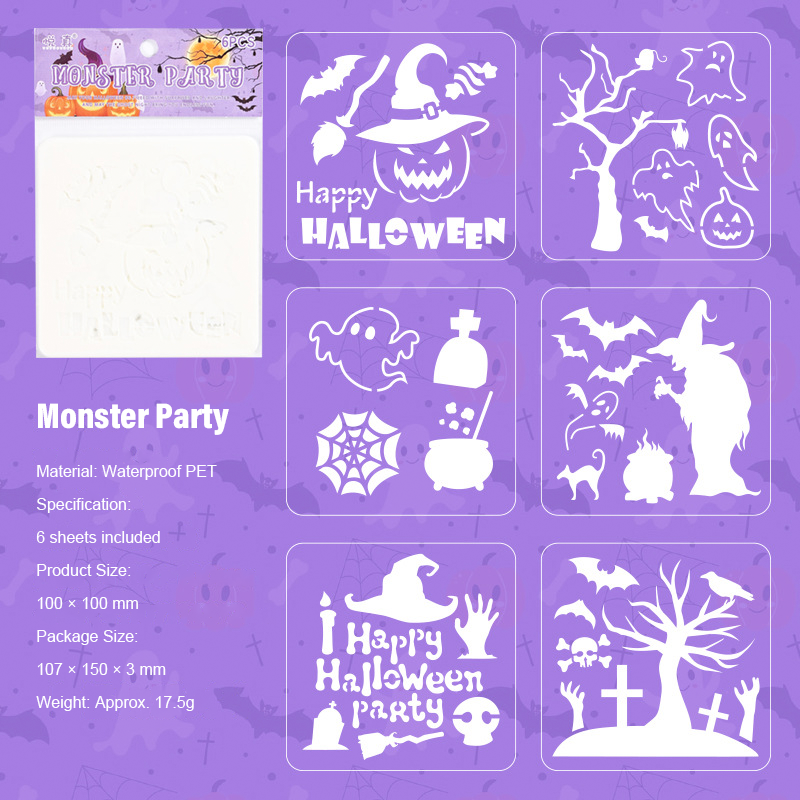
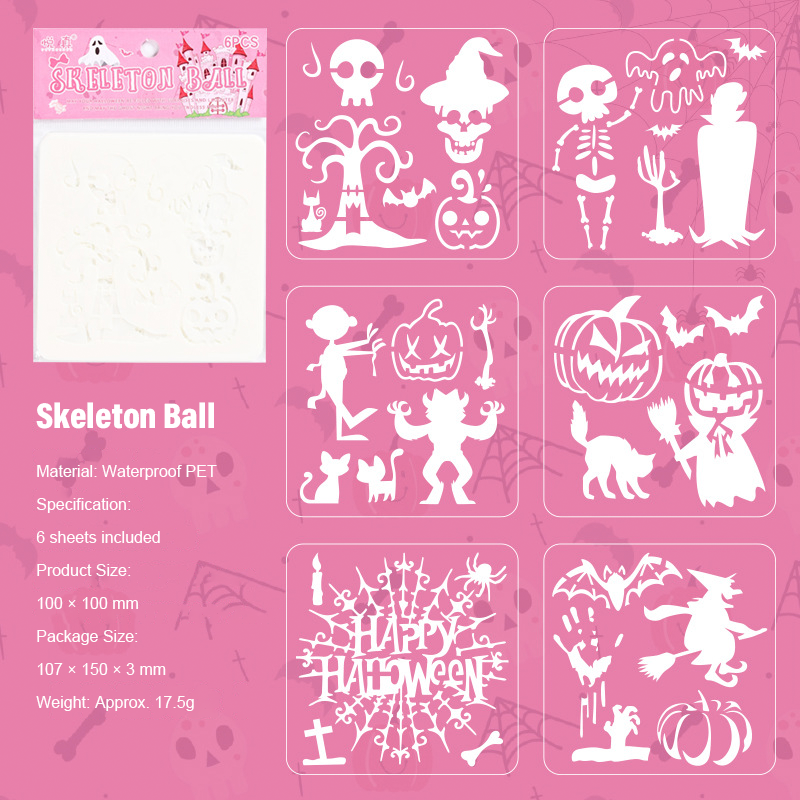
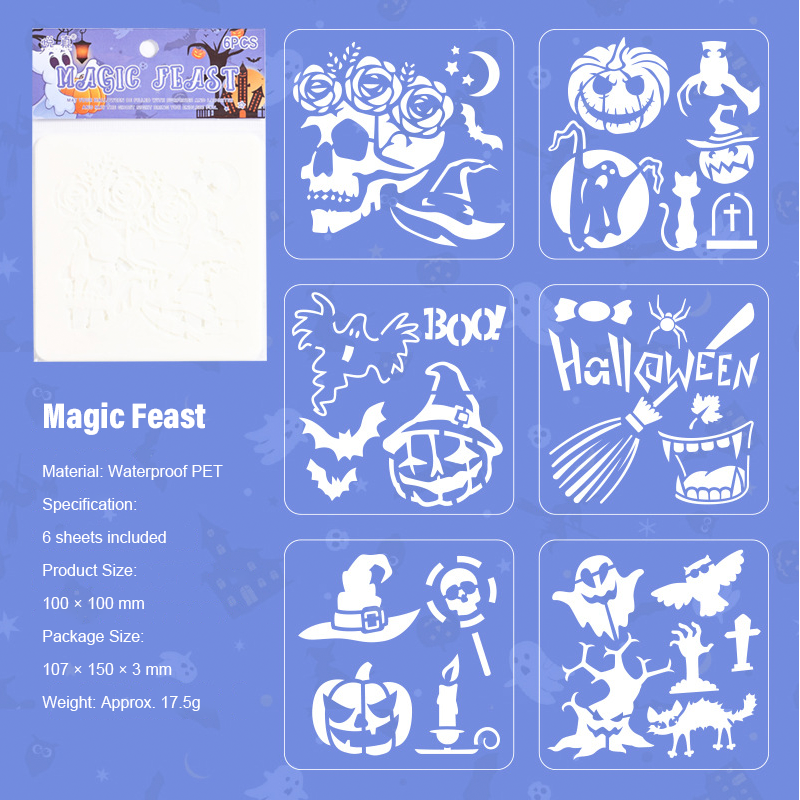
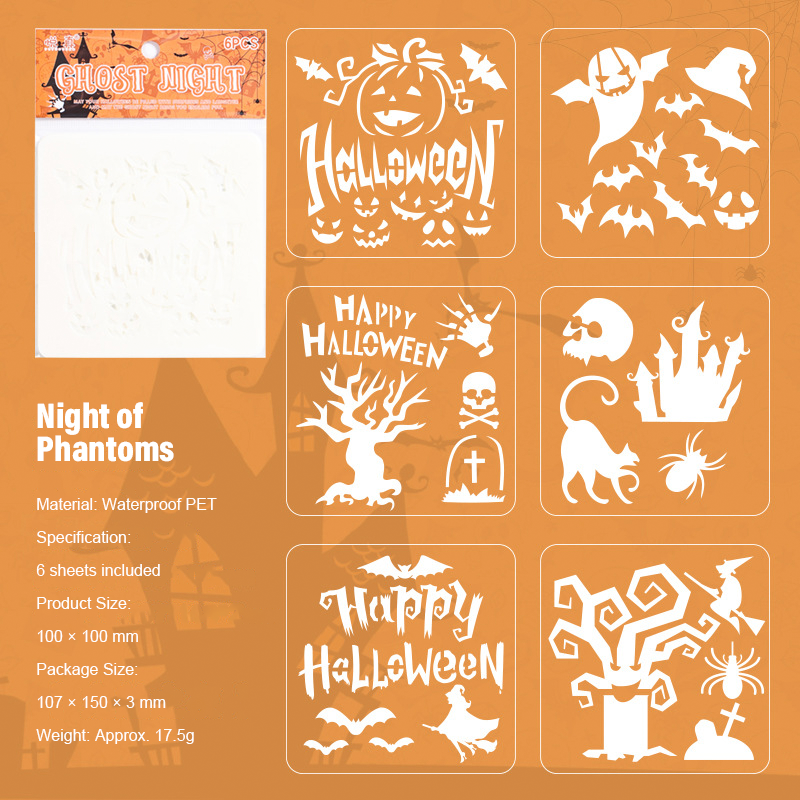
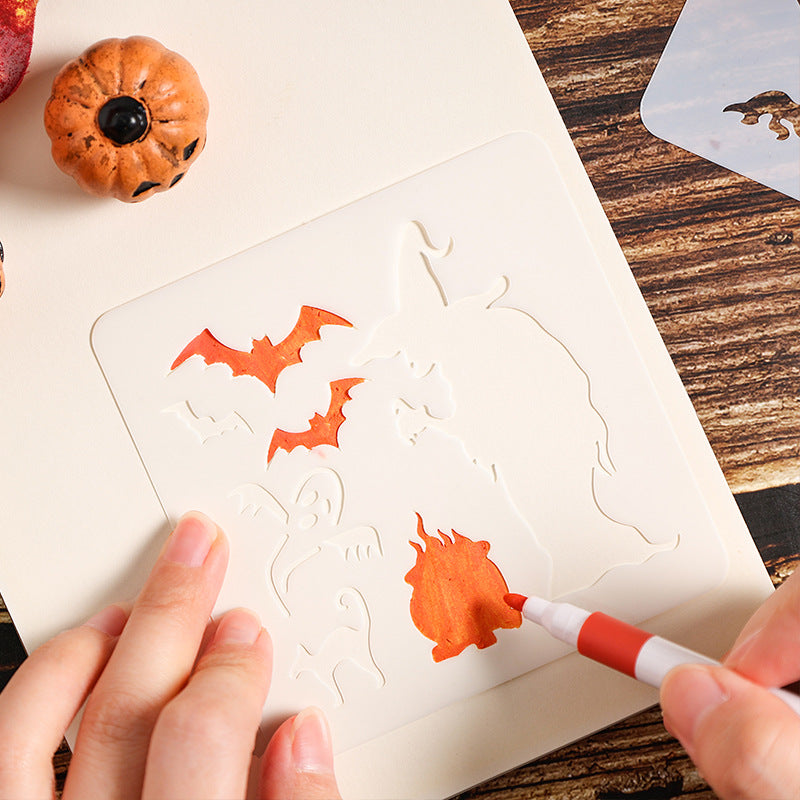
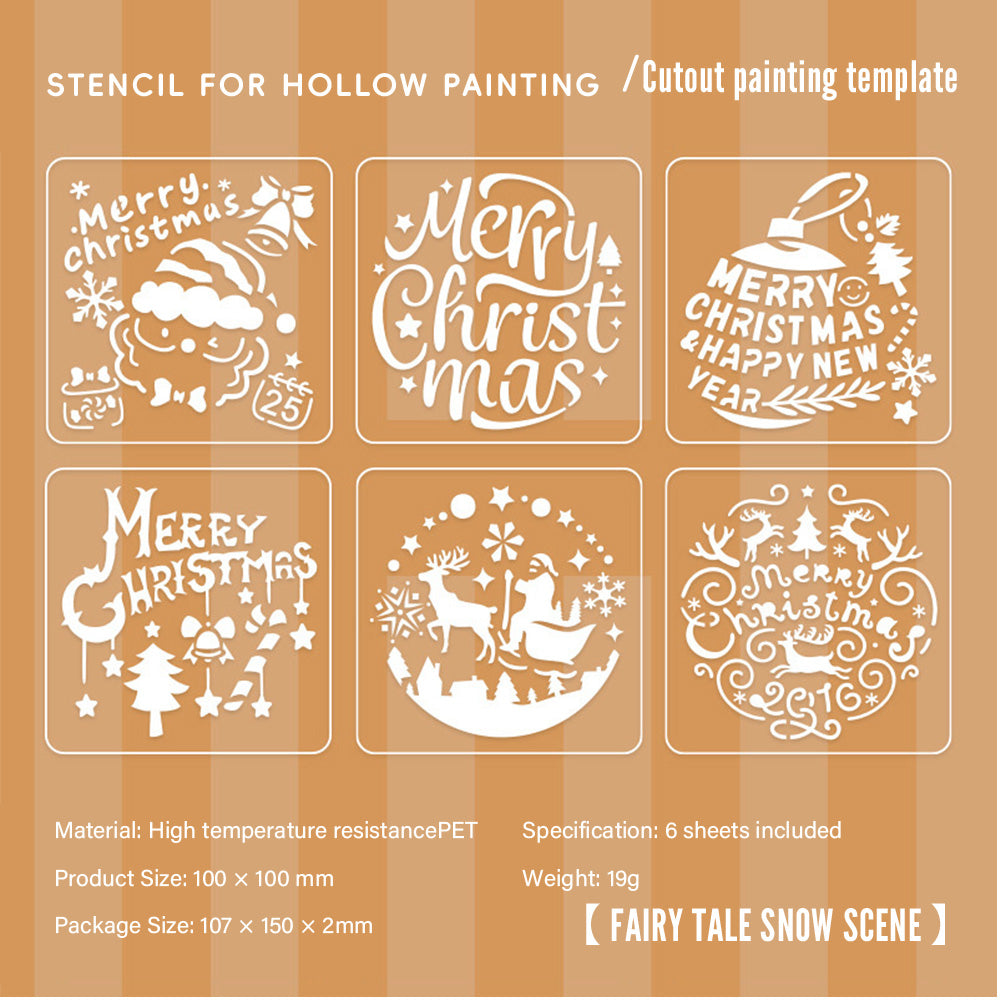
- Desk protection, templates, stencils
- Specialized applications (miniatures, fish lures, models)
Cost comparison table:
|
Cost Component |
Traditional Airbrush |
Battery Airbrush |
Winsons Marker Airbrush |
|
Airbrush Unit |
$70–$150 |
$60–$130 |
$39–$99 |
|
Compressor |
$70–$230 |
N/A |
N/A |
|
Paint / Ink |
$10–$50+ |
$10–$50+ |
Included (markers) |
|
Cleaning / Maintenance |
Required |
Required |
Not required |
|
Learning Curve |
High |
Medium |
Low |
Key insight: Winsons reduces upfront investment and eliminates hidden costs like cleaning, paint mixing, and compressor accessories.
5. Cost vs Usability
The cheapest airbrush isn’t always the best investment. True value comes from ease of use, repeatable results, and minimal maintenance.
For beginners, casual creators, or those who want zero friction in the creative process, Winsons marker-compatible airbrushes provide a clear advantage over both traditional and battery-powered setups.
FAQ
Q: What’s the biggest “hidden cost” in traditional airbrushing?
A: Cleaning time + cleaning tools + paint/thinner/consumables. Check 6 Common Airbrush Question.
Q: Do battery-powered airbrushes eliminate cleaning?
A: Not really—if you still spray liquid paint, you still prep + clean.
Q: Is a marker airbrush good for beginners?
A: If your priority is fast setup, consistent color, and minimal mess, it’s usually easier to start with. (Start here: Marker Airbrush Collection)
Q: What should I buy first if I’m on a tight budget?
A: Start with a system that matches your workflow (model painting vs crafts vs quick coloring) and avoid paying for tools you won’t use.
Conclusion
Understanding the full cost of an airbrush setup can save both money and frustration. While traditional systems offer precision, Winsons enables a budget-friendly, low-maintenance workflow, letting you focus on your creativity instead of your equipment.